Why Choose Wood 3D Panels for Your Project?
Wood adds warmth, visible grain, and a sense of depth to an interior. A Wood 3d Panel can make a plain wall more tactile, while helping define a reception area, living space, or feature wall. Its appeal is not only visual. Profiles, spacing, and surface finishes can influence how a room feels and how sound behaves. Actual acoustic performance, however, depends on the full assembly and should be confirmed through product test data.
The market context is substantial. Grand View Research estimated the global wood-based panel market at USD 178.9 billion in 2023 and projected a 5.5% compound annual growth rate from 2024 to 2030. This broader category includes many panel types; it does not prove demand for every decorative 3D product. Still, it reflects the scale of wood-based materials in construction and interiors. Details matter.
For a project, compare more than appearance. Check the core material, veneer or coating, panel dimensions, installation method, and maintenance requirements. Ask for documented emissions, fire-rating, and acoustic results where those specifications matter. In damp rooms, confirm suitability with the manufacturer rather than assuming every wood finish will perform well. I have seen attractive samples disappoint when lighting changes or joints become prominent. That risk is real. A clear sample review, ideally under the project’s lighting, can prevent avoidable surprises. The right choice balances texture, performance, budget, and upkeep—not appearance alone.
What Are Wood 3D Panels?
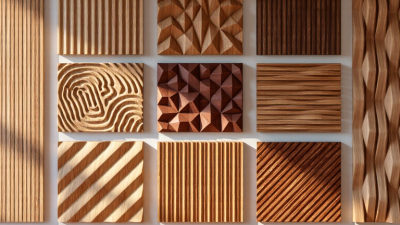
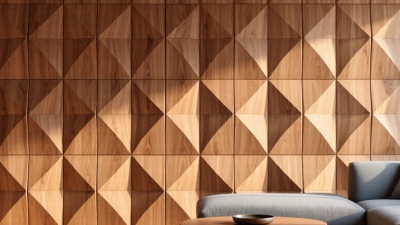
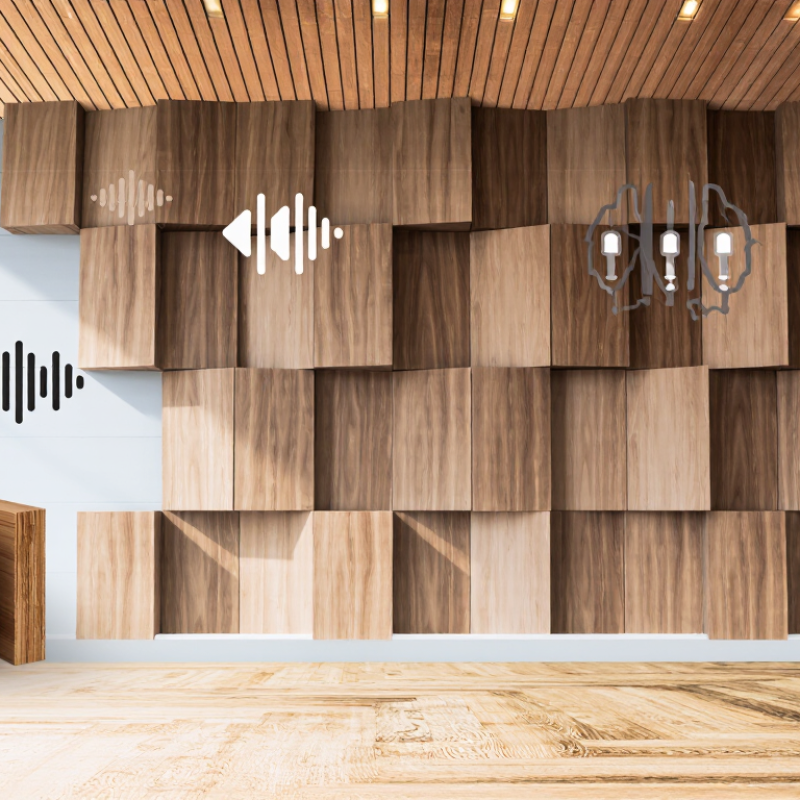
Wood 3D panels are wall coverings with raised, carved, or geometric surfaces that create visible depth. They may use solid wood, wood veneer, or engineered wood with a natural finish. Unlike flat boards, these panels catch light differently throughout the day. A soft morning glow can emphasize ridges, while evening lighting creates deeper shadows. This makes a plain wall feel warmer and more architectural.
Their appeal is practical as well as visual. Wood 3D panels can hide minor surface irregularities and add texture without major structural changes. Some designs may also soften reflected sound, although they should not replace certified acoustic treatment. Installation depends on the wall condition, panel weight, and indoor humidity. Poor preparation can cause gaps or movement later. That part is often underestimated.
Tips: Check the panel material before ordering. Solid wood can expand and contract more than engineered products. Leave the recommended acclimation time in the room. Use a level during installation, and test your lighting before fixing every panel. Avoid placing untreated wood in persistently damp areas. A small sample helps you judge color, texture, and shadow depth. Even careful planning has limits. Natural grain may vary, and that variation is sometimes the feature rather than the flaw.
Why Choose Wood 3D Panels for Your Project?
Wood 3D panels are decorative wall surfaces made from wood or wood-based materials with a raised, recessed, or geometric relief. The chart below compares the Janka hardness of common wood species that may be used for decorative panel surfaces. Higher values indicate greater resistance to denting.
Wood 3D panels can add natural texture, visual depth, and warmth to interior spaces. Choosing a species with the appropriate hardness can help balance appearance, workability, and resistance to everyday surface impact.
What Design and Functional Benefits Do They Offer?
Why Choose Wood 3D Panels for Your Project?
Wood 3D panels add depth without overwhelming a room. Their raised geometry creates shifting shadows as daylight moves across the surface. This helps walls feel warmer and less flat. In offices, restaurants, and residential interiors, textured timber can also soften hard visual lines. The effect is practical, but not magical.
Acoustic performance depends on the whole wall system. Panel spacing, backing materials, and installation quality matter greatly. The International Energy Agency’s 2023 buildings report links buildings and construction to 30% of global final energy use. Wood panels cannot solve energy problems alone. However, responsibly sourced timber can support lower-impact material choices when paired with durable construction and verified sourcing. The Food and Agriculture Organization reported that forests covered about 31% of global land area in 2020. That figure does not prove every wood product is sustainable.
Ask for moisture resistance, fire classification, formaldehyde emissions, and acoustic test data. Inspect the edges closely. Poorly finished joints can expose uneven color and collect dust. I have seen beautiful samples fail when installers ignored wall irregularities. Maintenance also deserves attention, especially in kitchens and busy corridors. A dry cloth may be enough for some finishes, while others require periodic resealing. The most reliable design balances texture, measured performance, and honest material limitations.
What Factors Should You Consider When Choosing Them?
Why Choose Wood 3D Panels for Your Project?
What Factors Should You Consider When Choosing Them?
Wood 3D panels add depth, warmth, and controlled texture to an interior. Their raised patterns can soften blank walls without making a room feel crowded. However, appearance should not lead the decision. I once selected a beautiful deep-groove panel for a busy hallway, then noticed dust collected inside every channel. The design looked impressive, but maintenance became frustrating.
Start with the room’s moisture, lighting, and daily use. Bathrooms and unheated spaces need panels with suitable moisture resistance and stable backing materials. Natural wood can expand or contract as humidity changes. Ask for installation guidance and confirm the recommended moisture range. Check the panel’s thickness, weight, and fixing method before ordering. A small sample can reveal color shifts under warm or cool lighting.
Acoustic performance also deserves attention. Some panels reduce echo when paired with an absorbent backing, while others mainly provide visual texture. Request test information rather than relying on vague claims. Safety documentation matters too, especially for commercial interiors. Review fire-performance ratings, surface treatments, and emissions information from reliable suppliers. Choose finishes that match your cleaning routine. Matte surfaces may hide fingerprints, but textured grooves still need gentle brushing.
Installation quality can change the final result. Uneven walls may require preparation, and repeated patterns need careful alignment. Leave expansion space where the instructions recommend it. A skilled installer can identify problems early, although even experts sometimes underestimate preparation time. Consider replacement panels, delivery conditions, and long-term repairs before approving the design.
Where Can Wood 3D Panels Be Used?
Why Choose Wood 3D Panels for Your Project? Where Can Wood 3D Panels Be Used?
Wood 3D panels suit spaces that need warmth, texture, and a clear focal point. In living rooms, they can frame a fireplace or add depth behind a sofa. In bedrooms, a panelled headboard wall brings natural variation without crowding the room. They also work in reception areas, meeting rooms, and boutique retail spaces, where angled light can reveal the panels’ shadows throughout the day. Small rooms need care. Deep patterns may feel busy.
Tips: Check the panel depth, room humidity, and wall condition before installation. A sample viewed in morning and evening light can prevent surprises. Keep cleaning needs in mind, too; dust settles in grooves.
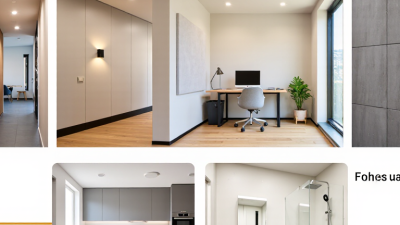
Panels can also add texture to ceilings, hallway feature walls, or selected sections of a home office. They are not ideal for every surface. Areas exposed to frequent moisture may require a suitable finish and careful installation, while high-traffic corners can benefit from simpler profiles. Wood varies in grain and tone, so even well-matched pieces may not look identical. That variation is part of the appeal, though sometimes it takes getting used to.