How to Choose the Best Wood 3D Panel for Your Projects?
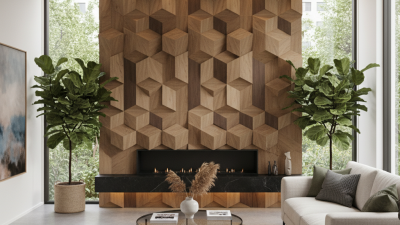
When embarking on a new project, the choice of materials can define its success. Wood 3D Panels have gained popularity for their versatility and aesthetic appeal. According to a report by Market Research Future, the global wood panel market is projected to grow at a CAGR of 4.7% from 2021 to 2027. This growth highlights the increasing demand for materials that combine beauty and sustainability.
Expert in architectural design, Dr. Emily Rousseau, emphasizes, “The right choice of Wood 3D Panel can transform any space into a work of art.” Her insight underlines the importance of selecting high-quality panels for creative projects. Whether for residential use or commercial spaces, understanding the characteristics of each type of wood is crucial.
There can be pitfalls in the selection process. Misjudging the weight, finish, or durability of a panel can lead to disappointing outcomes. Many designers recommend sampling panels before committing to large orders. Each project is unique, and the right Wood 3D Panel should elevate your design without compromise.

Understanding Different Types of Wood Used in 3D Panels
When considering wood 3D panels for your projects, understanding the types of wood available is crucial. Different woods offer varying aesthetics and functionalities. Common choices include plywood, medium-density fiberboard (MDF), and solid hardwoods. According to a report from the Forest Products Laboratory, plywood is favored for its stability and versatility. However, it may lack the rich grain seen in hardwoods.
MDF is excellent for intricate designs due to its smooth surface. It often costs less than plywood or hardwoods. Yet, it can swell with moisture, limiting its use in humid environments. Solid hardwoods, while beautiful, tend to be pricier and heavier. They can warp if not properly conditioned.
Tips: Always consider your project's environment. If it’s more humid, plywood might be the better choice. Additionally, get samples before committing to a type of wood. Touch and feel the material. This ensures it meets your design and durability expectations. Be aware that not all woods are sustainable. Look for certified sources to make eco-friendly choices.
Evaluating the Quality of Wood for 3D Panel Projects
When choosing wood for 3D panel projects, assessing quality is crucial. Start by examining the grain pattern. Flaws or inconsistencies can affect aesthetics and strength. Look for uniformity to ensure a smooth finish. Quality wood offers not just beauty, but durability too. Check for knots; they can weaken the structure. A few small knots might add character, but large ones should be avoided.
Moisture content also plays a vital role in the wood’s longevity. Too much moisture can lead to warping over time. Use a moisture meter to gauge levels. Ideally, wood should be around 6-8% moisture content. This prevents future issues with cracking.
Consider the wood's hardness based on your project needs. Softer woods may dent easily, while harder woods can withstand wear. However, harder woods can be pricier and harder to work with. Think about your experience level. If you’re new, a softer wood may be more forgiving. Balancing cost and quality can be tricky. Testing different types of wood may lead to some unexpected results. Embrace the learning curve as part of your creative journey.
How to Choose the Best Wood 3D Panel for Your Projects? - Evaluating the Quality of Wood for 3D Panel Projects
| Wood Type |
Density (kg/m³) |
Grain Pattern |
Durability Rating |
Cost per Cubic Meter ($) |
| Oak |
700 |
Open Grain |
4 |
800 |
| Maple |
600 |
Fine Grain |
5 |
950 |
| Pine |
400 |
Straight Grain |
2 |
300 |
| Mahogany |
750 |
Interlocked Grain |
7 |
1200 |
| Birch |
680 |
Fine Grain |
3 |
600 |
Selecting the Right Thickness and Dimensions for Your Needs
Choosing the right thickness and dimensions for wood 3D panels is essential for any project. The thickness you select will impact both the aesthetics and durability. Thicker panels offer greater strength and can withstand more wear, while thinner options allow for intricate designs and lightweight applications.
Consider the intended use of your project. Are you creating wall art or cabinetry? For wall art, thinner panels may suffice. They can easily align with your artistic vision. However, if your project demands structural integrity, thicker panels are needed. Evaluate your environmental conditions too; humidity can affect wood, causing warping.
Tips: Always measure your workspace accurately before purchasing. A panel that is too large can lead to frustration. Experiment with different dimensions to find the perfect fit. Sometimes, the most unexpected combinations produce the best results. Keep in mind that mistakes are part of the creative process. Embrace them and learn from every cut, every adjustment. The journey of creation often reveals hidden possibilities.
Considering Aesthetic and Design Elements in Wood Panels
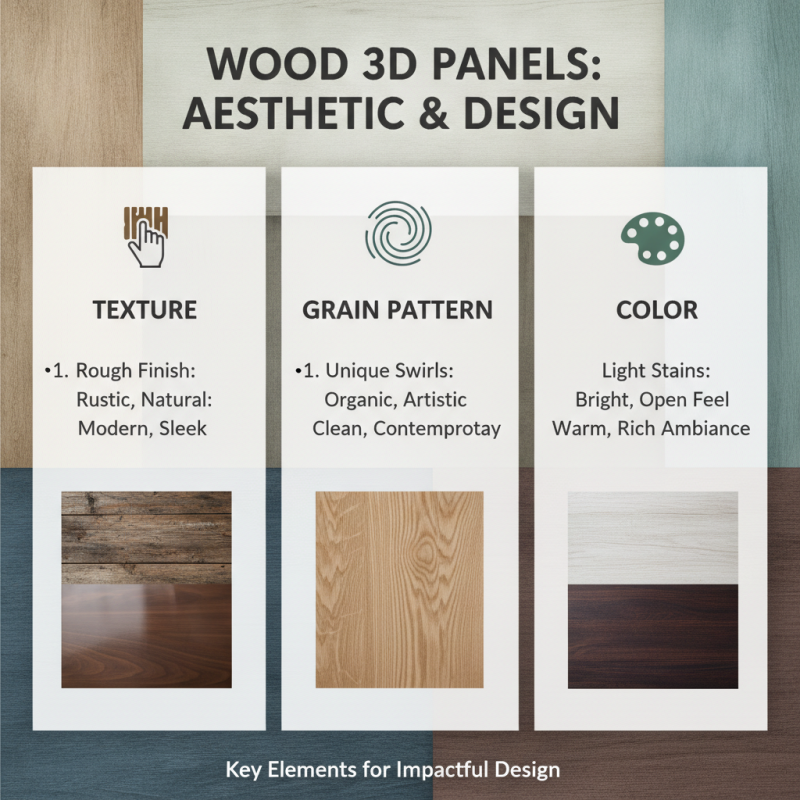
When selecting wood 3D panels, aesthetics and design are key. The texture of the wood plays a critical role. A rough finish can evoke a rustic feel, while a polished surface may offer a modern look. Consider the grain patterns. Unique swirls or straight lines can dramatically influence the visual impact of your project. Experimenting with colors adds another layer of depth. A light stain can brighten a room, while darker shades provide warmth.
Proportion and scale matter as well. A large panel can dominate a wall, creating a bold statement. Smaller pieces may be better suited for accents in tight spaces. But remember, balance is essential. Overly intricate designs may clash with simpler decor, leading to a chaotic appearance. It can be challenging to find harmony.
Lighting significantly alters how wood panels are perceived. Natural light emphasizes texture and grain. Artificial light can change colors, making a panel look different in various settings. Keep this in mind during installation. Sometimes, a good design idea can turn out to be overwhelming when put into practice. Don’t forget to test samples in your space. This trial can guide you towards the best decisions.
Assessing Cost and Sustainability Factors in Wood Selection
When selecting wood for 3D panels, cost and sustainability play vital roles. Sustainable wood options can reduce your project’s environmental impact. Resourcing wood from certified suppliers ensures responsible harvesting practices. Look for wood types that grow quickly and can be easily replenished.
Consider the cost implications. While some exotic woods may look stunning, they often come with a high price tag. Think about the overall budget and whether the investment aligns with project goals. Sometimes, using locally sourced alternatives can save money while providing a unique aesthetic.
Tips:
- Always ask about the sourcing of your wood.
- Look for certifications like FSC or PEFC.
- Consider reclaimed wood for unique textures and eco-friendliness.
Understanding your options is crucial. Not all woods age the same way, which could affect long-term project aesthetics. Reflect on the life cycle of your materials. Cheaper choices may lead to more frequent replacements. Investing in quality wood can prove beneficial in the long run.
Wood 3D Panel Cost and Sustainability Analysis