Leave Your Message

How to Choose Wall Panels for Indoor Spaces in 2026?

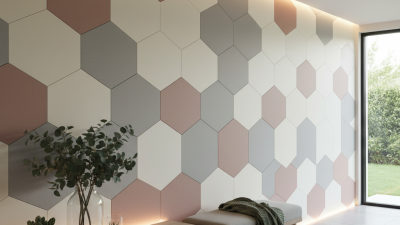
Choosing wall panels for indoor spaces in 2026 requires more than matching colors to furniture. The right Wall Panel Indoor solution should balance appearance, durability, safety, maintenance, and installation conditions. A warm oak texture can soften a narrow hallway, while a pale acoustic panel may improve comfort in a busy home office. However, product images often hide seams, surface reflections, and uneven walls. Details matter.

Experienced designers usually begin with the room’s purpose, moisture level, lighting, and traffic. Kitchens and bathrooms need panels with suitable moisture resistance and easy-clean surfaces. Bedrooms may benefit from low-emission materials and softer textures. In commercial areas, acoustic performance, impact resistance, and cleaning routines deserve closer attention. Always review technical sheets, installation instructions, and relevant local building requirements. Independent testing can provide stronger evidence than marketing language alone. A qualified installer can also identify problems before the panels arrive, such as weak substrates or insufficient ventilation.

Trends will change. Good decisions should last.

Material composition matters as much as visual style. Wood veneer, PVC, fiber cement, and recycled composites behave differently under heat, humidity, and daily contact. Ask how the panel can be repaired. Ask whether replacement pieces will remain available. A low purchase price may become expensive after difficult cutting, frequent cleaning, or early damage. I have seen attractive panels disappoint when the lighting changed or the wall preparation was rushed. That is a useful reminder: selection should be practical, not purely decorative. The best choice fits the room, the budget, and the people who use it every day.
How to Choose Wall Panels for Indoor Spaces in 2026?

Define the 2026 Brief: Moisture, Impact, Hygiene, Acoustics, and Fire Risk

How to Choose Wall Panels for Indoor Spaces in 2026?

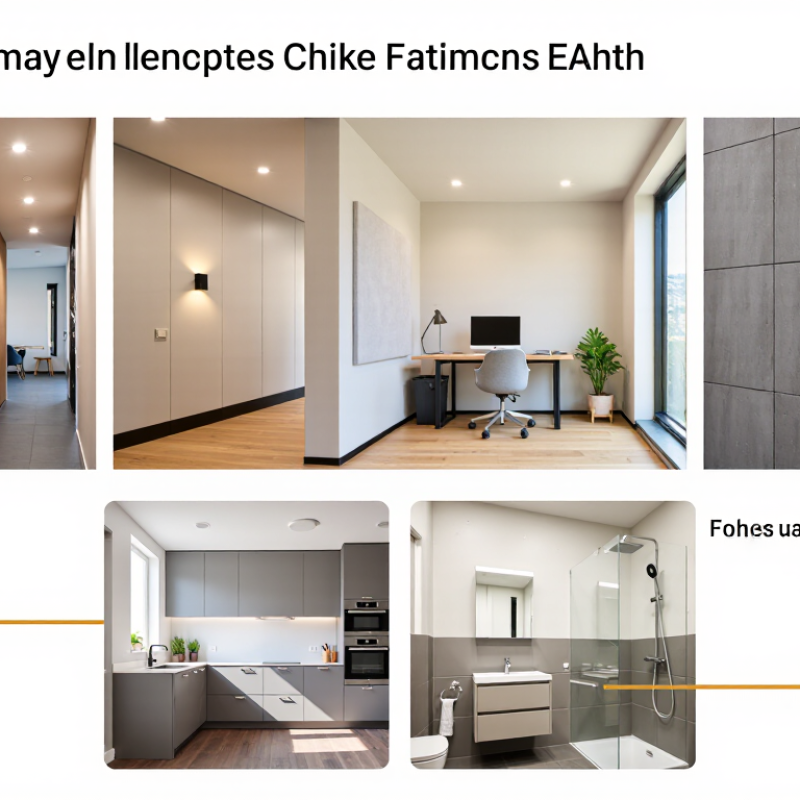
In 2026, wall panels should be selected from a room’s actual risks, not from color alone. I begin with a site walk. A damp basement, busy corridor, or treatment room needs different evidence. Record washing frequency, trolley impacts, condensation, and nearby heat sources before comparing products. That basic survey often exposes assumptions.

Moisture resistance matters beyond bathrooms. In kitchens and entrance areas, repeated cleaning can push water into joints and edges. Look for sealed surfaces, stable cores, and installation details that limit hidden moisture. Impact performance should match use. A school corridor may need resistance to balls, carts, and sharp bag corners, while an office wall may not. Ask for test methods and repair guidance, not vague claims such as “heavy duty.” I once treated easy cleaning as proof of hygiene, but that was incomplete. Joints, fixings, and damaged coatings can hold soil.

For hygiene, choose smooth, low-porosity faces with cleanable junctions. Confirm chemical compatibility with the facility’s approved cleaners. Acoustic panels require measured absorption data for the target frequency range, because a soft-looking surface may perform poorly. Fire risk needs documented reaction-to-fire classification and compliant backing details. A panel alone does not define the wall’s fire performance. Check the full assembly. Confirm that the specification aligns with applicable local building requirements. Request current technical files, installation instructions, and independent test evidence. If the evidence is unclear, pause the specification. Budgets matter, yet replacing warped or damaged panels costs more than careful selection.

How to Choose Wall Panels for Indoor Spaces in 2026?

Define the brief around moisture, impact, hygiene, acoustics, and fire risk.

The chart uses an indicative 1–5 planning scale: 1 means a lower design priority and 5 means a critical requirement for the space. Ratings are intended for early specification only; confirm moisture exposure, cleanability, impact classification, acoustic performance, and local fire-code requirements before selecting a panel system.

Compare Fire Ratings: ASTM E84 Class A Means FSI 0–25 and SDI ≤450

How to Choose Wall Panels for Indoor Spaces in 2026?

Fire performance should guide every indoor wall-panel decision. Under ASTM E84, a Class A rating means a Flame Spread Index (FSI) from 0 to 25 and a Smoke Developed Index (SDI) of 450 or less. These figures describe surface-burning behavior during a controlled test. They do not mean the panel is fireproof or noncombustible.

Look for a complete, current test report. Check the tested thickness, finish, backing, adhesive, and joint treatment. Small installation changes can affect performance. A panel tested alone may not represent a full wall assembly. This detail is often missed.

Ask whether the report covers the exact product configuration. Then compare it with local building-code requirements and the room’s use. Corridors, exits, kitchens, and high-occupancy areas may require closer review. Class A is a useful benchmark, not the only decision.

A practical selection also considers smoke, cleaning, impact resistance, moisture, and replacement access. A glossy surface may look excellent in a sample room but reveal fingerprints under bright lighting. I have seen specifications focus heavily on flame spread while ignoring maintenance conditions. That is a costly gap.

Request installation instructions from the manufacturer or qualified testing source. Confirm that installers follow the tested method. Keep the reports, purchase records, and site details together. Documentation matters during inspection and later renovations. Test results can age in relevance when materials or assemblies change.

Set Acoustic Goals with NRC Values, Such as NRC 0.60 for Speech Spaces

When choosing wall panels for indoor spaces in 2026, define the acoustic problem before selecting finishes. For speech areas, an NRC of 0.60 can be a practical starting point. NRC measures average sound absorption across key mid-frequency bands. It does not describe every listening condition. Room volume, ceiling height, occupancy, and background noise still matter.

In a 6-by-4-meter meeting room, hard walls can create flutter echoes and blurred voices. I would place tested panels near the speaker’s reflection points, then review coverage and spacing. A thicker panel or an air gap may improve absorption, but only when the tested assembly supports that result. Ask for laboratory data using recognized methods, such as ASTM C423. Check the actual thickness and mounting system.

NRC is not a magic number.

I have seen attractive panels perform poorly when installers reduced coverage around doors and screens. My earlier selections were too optimistic. A room with NRC 0.60 panels may still sound harsh if the ceiling, floor, and furniture remain highly reflective. Measure reverberation time after installation when possible. Listen from the back row, not only beside the wall. For classrooms, offices, and consultation rooms, clear speech should guide the decision, while appearance, cleanability, moisture resistance, and verified safety documentation should support it.

Screen Materials by VOC Limits, EPD Carbon Data, and 10–25-Year Service Life

How to Choose Wall Panels for Indoor Spaces in 2026?

When selecting indoor wall panels, check VOC evidence before comparing colors or textures. The California Department of Public Health Standard Method v1.2 evaluates emissions from building products under controlled conditions. Ask for chamber-test results, not vague “low-VOC” claims. Products should also disclose compliance with relevant emissions limits for schools, offices, and healthcare interiors. Fresh paint smell is not a reliable test.

EPD carbon data adds another essential layer. ISO 14025 and EN 15804 define how environmental product declarations are prepared and compared. Review declared units, system boundaries, recycled content, and end-of-life assumptions. A 2024 construction-carbon assessment from the Carbon Leadership Forum emphasizes transparent product data for early design decisions. Still, two EPDs may use different assumptions. A lower number is not automatically better.

Life expectancy should match the building’s maintenance plan. ISO 15686 recommends evaluating service life through exposure, cleaning, installation quality, and repair cycles. For many interior panels, a realistic target may range from 10 to 25 years, but the number needs evidence. Check abrasion resistance, moisture behavior, joint durability, and replacement access. Ten years can be adequate in a retail corridor. It may be poor value in a hospital waiting area. I would avoid promising 25 years without field data. A neat specification can still fail at the edges. Inspect samples under strong light, near doors, and beside cleaning equipment.

Validate Fit, Codes, Installation, Warranty, and Cost per Year Before Buying

How to Choose Wall Panels for Indoor Spaces in 2026?

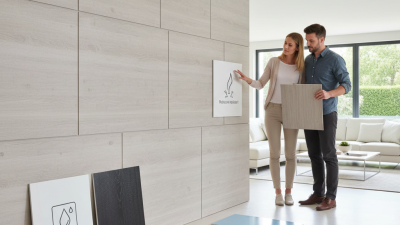
A wall panel must fit the room before it fits the budget. Measure wall width, height, corners, outlets, moisture exposure, and access routes. Small errors can create visible seams. I still measure twice and confirm the final layout on site. A sample board also reveals glare, texture, odor, and cleaning effort better than a screen.

Check local building requirements before ordering. Fire performance may require ASTM E84 or NFPA 286 testing, depending on the wall assembly and occupancy. Confirm the entire system, not only the decorative surface. Ask for emissions documentation, such as compliance with California CDPH Standard Method v1.2. The U.S. Environmental Protection Agency reports that indoor pollutant levels can often be two to five times higher than outdoor levels. Ventilation and adhesives matter. More than appearance.

Installation details decide durability. Request substrate tolerances, joint treatments, fastener spacing, and moisture limits in writing. Confirm whether qualified installers are required. Review exclusions carefully. A warranty may exclude poor preparation, humidity, impact, or unauthorized cleaning. That is where many assumptions fail.

Calculate annual cost, not purchase price. Use installed cost, planned maintenance, replacement allowance, and expected service life. The U.S. EPA reported about 600 million tons of construction and demolition debris in 2018. Panels that can be repaired, removed, or recycled may reduce future waste. Divide realistic lifetime cost by service years. The cheapest panel may not stay cheap.

How to Choose Wall Panels for Indoor Spaces in 2026? - Validate Fit, Codes, Installation, Warranty, and Cost per Year Before Buying

Planning comparison for common interior wall-panel systems. Costs are typical U.S. project ranges and should be verified with local suppliers, installers, and building officials.
Panel Type Best Indoor Fit Moisture and Impact Performance Relevant Code and Test Checks Typical Installation Method Typical Service Life Typical Warranty Range Installed Cost Range
per sq. ft.
Estimated Cost per Year
per sq. ft.
Painted gypsum wallboard Bedrooms, offices, living rooms, corridors, and general dry areas Low to moderate moisture resistance; moderate impact resistance. Standard board should not be used in repeatedly wet areas. Check ASTM C1396 classification, ASTM E84 surface-burning results, required fire-rated assembly, and local requirements for fire resistance and smoke development. Screw or nail to framing, tape and joint-compound seams, sand, prime, and paint. 15–30 years with normal maintenance Product defects commonly covered for about 1–5 years; finish warranty varies. $2.50–$6.00 $0.17–$0.40
Moisture-resistant gypsum board Bathrooms, laundry rooms, kitchens, and other areas with intermittent humidity Better moisture tolerance than standard gypsum board, but it is not a waterproof panel and should not be exposed to continuous water. Verify ASTM C1396 compliance, ASTM E84 data, wet-area limitations, waterproofing details, and any required fire-rated assembly. Fasten to framing, treat joints, and install a compatible water-resistant coating or membrane where required. 15–30 years when kept outside direct wet exposure Product-specific; commonly about 1–5 years for material defects. $3.00–$7.00 $0.20–$0.47
Fiberglass-reinforced plastic panel Commercial kitchens, utility rooms, food-service areas, healthcare support spaces, and wash-down zones High moisture resistance and good cleanability; moderate to high impact resistance depending on thickness and substrate. Check ASTM D5319 or applicable product standard, ASTM E84 flame-spread and smoke-developed results, adhesive requirements, and hygiene or wash-down specifications. Bond or mechanically fasten over a smooth substrate; seal joints, corners, penetrations, and edges with compatible trim or sealant. 15–25 years in suitable indoor conditions Commonly about 1–10 years, depending on panel, adhesive, and installation coverage. $6.00–$15.00 $0.40–$1.00
PVC wall panel Bathrooms, changing rooms, utility areas, and decorative low-to-moderate traffic spaces Very good moisture resistance; impact performance varies considerably with thickness, profile, temperature, and backing. Verify ASTM E84 flame-spread and smoke-developed classification, chemical resistance, temperature limits, and local restrictions on combustible interior finishes. Install over a flat substrate with adhesive, screws, or a concealed interlocking system; seal joints and penetrations in wet areas. 10–25 years depending on traffic and sunlight exposure Commonly about 1–10 years; verify color, finish, and installation exclusions. $5.00–$14.00 $0.50–$1.40
High-pressure laminate panel Offices, education spaces, retail interiors, corridors, and areas requiring decorative impact resistance Good abrasion and impact resistance; moisture performance is good at the face but vulnerable at unsealed edges and joints. Check ANSI/NEMA LD 3 or applicable laminate standard, ASTM E84 results, edge-sealing details, and fire-rated assembly requirements. Bond to a stable substrate or mount as a compact laminate system; use specified contact adhesive, mechanical fixings, and edge protection. 15–30 years in normal interior use Commonly about 1–10 years, with exclusions for substrate movement and moisture damage. $8.00–$20.00 $0.53–$1.33
Wood veneer or MDF decorative panel Reception areas, hospitality spaces, meeting rooms, restaurants, and feature walls in dry interiors Moderate impact resistance; MDF and veneer can swell or stain when exposed to moisture unless specially engineered and sealed. Check ASTM E84 surface-burning results, formaldehyde-emission requirements such as TSCA Title VI or equivalent local rules, and fire-rated assembly documentation. Attach to battens, clips, or a prepared substrate; allow for panel movement and seal or finish exposed edges. 15–30 years with controlled humidity and periodic refinishing Commonly about 1–5 years for material or finish defects. $10.00–$30.00 $0.67–$2.00
Cement board with finished surface Shower surrounds, high-moisture rooms, impact-prone utility areas, and tile backer applications Excellent moisture tolerance and dimensional stability; hard and durable but heavier and more difficult to cut. Check ASTM C1325 or applicable cement-board standard, ASTM E136 or fire-test data where required, waterproofing system requirements, and substrate load capacity. Mechanically fasten to framing or substrate; stagger joints, use compatible tape and mortar, and install a waterproofing membrane where the assembly requires one. 25–50 years when properly detailed Commonly about 1–10 years; waterproofing components may have separate coverage. $8.00–$22.00 $0.32–$0.88
Acoustic PET-felt panel Open offices, classrooms, studios, conference rooms, and spaces needing sound absorption Good dimensional stability and moderate impact resistance; generally unsuitable for direct water exposure or heavy wash-down. Check ASTM C423 or ISO 354 sound-absorption data, ASTM E84 flame-spread and smoke-developed results, recycled-content claims, and mounting requirements. Mount with construction adhesive, clips, or a mechanical rail system over a clean, dry wall; maintain required clearances around services. 10–20 years depending on cleaning and traffic Commonly about 1–5 years for material defects. $7.00–$18.00 $0.47–$1.20

How the annual cost was estimated: estimated cost per year equals the midpoint of the installed-cost range divided by the midpoint of the service-life range. It excludes financing, major substrate repairs, demolition, inflation, and regional labor differences.

Before buying: confirm panel thickness, substrate condition, moisture exposure, impact level, required fire rating, flame-spread and smoke-developed classification, VOC or formaldehyde documentation, cleaning chemicals, accessory compatibility, installer requirements, and the written warranty.

Code note: ASTM and ISO references identify commonly used test methods or product standards; passing a test does not automatically approve an installation. The complete wall assembly, building occupancy, ceiling height, fire separation, egress path, and local amendments must be reviewed by the applicable building authority.