Leave Your Message

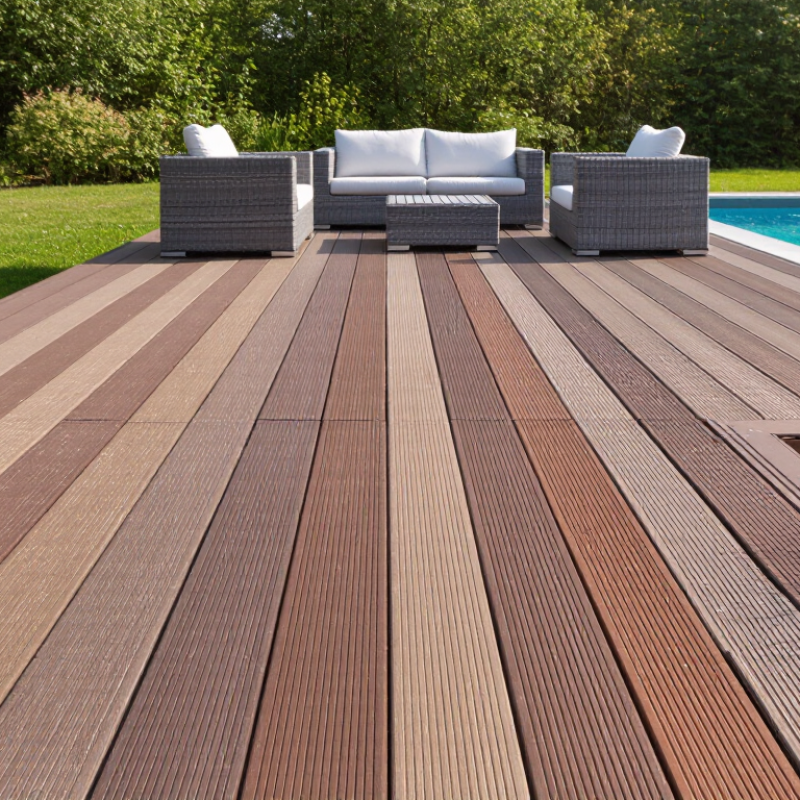
How to Choose the Best WPC Composite Decking in 2026?

Selecting the best WPC composite decking in 2026 means looking beyond color samples and showroom photographs. Composite Decking Wpc products vary in their surface caps, recycled content, board profiles, and installation requirements. Those differences affect fading, moisture movement, traction, heat underfoot, and the effort needed to keep a deck clean.

Begin with your climate and daily use. A shaded garden, a sunny pool edge, and a busy family patio place different demands on the same board. Check the manufacturer’s technical data for slip testing, UV performance, expansion gaps, and approved fasteners. Ask how the warranty handles stains, fading, and structural defects, since coverage can be narrower than its headline suggests. A spec sheet cannot promise how a deck will feel after years of rain and summer heat. It can, however, help you compare products on evidence rather than polished claims. Small details matter. Inspect sample boards outdoors, not just beneath store lighting, and compare colors when dry and wet. Also confirm that your installer follows the current fitting guide; tight spacing or poor drainage can undermine sound materials. No single board suits every home. This guide explains the practical trade-offs behind price, durability, appearance, and maintenance, so you can make a choice that fits your site and budget.
How to Choose the Best WPC Composite Decking in 2026?

Define Your Decking Needs, Site Conditions, and Budget

Before comparing WPC composite decking, decide how the deck will be used. A dining area needs room for chairs to slide back; a family space may need wider routes and fewer trip points. Note whether the site stays shaded, collects rainwater, or gets strong afternoon sun. These details affect surface temperature, drainage, and maintenance needs. Small detail, big consequence.

Check the existing frame, too: boards need suitable joist spacing and room for movement, following the product’s installation instructions.

Set a realistic budget that includes substructure, fasteners, delivery, and labor—not just board prices. Remodeling’s 2024 Cost vs. Value report estimated a typical U.S. composite deck addition at $24,206, with $16,061 in modeled resale value, or 66.3% of project cost.

Treat that as a national comparison, not a local quote; size, access, and site preparation can change costs considerably. Ask contractors to itemize their estimates, and compare the same deck area and scope.

Plan for maintenance, too. Even careful planning can miss a drain, a hot patch of sun, or a tight doorway. Recheck those details before choosing a board profile or color.
Compare WPC Composition, Profiles, and Surface Finishes

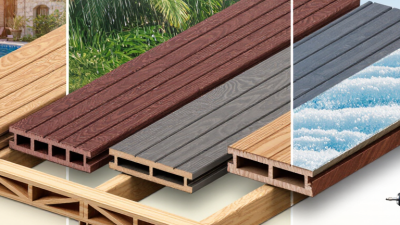
WPC decking blends wood fibers with thermoplastic resin, but the proportions and additives vary. More wood content does not automatically mean a better board. Ask for technical data on recycled content, moisture absorption, and dimensional stability. Compare samples outdoors, too: a small showroom swatch may not show how color shifts in strong sunlight. The comparison can feel a little messy, since manufacturers do not always report the same measurements.

Tips: Check the board’s profile before choosing. Solid boards feel substantial but are heavier; hollow boards are lighter and need suitable support. Confirm spacing and fastening guidance for your substructure.

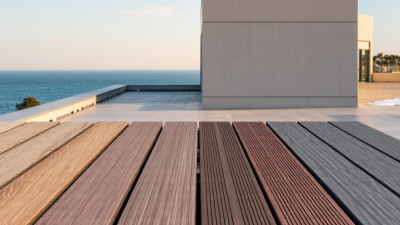
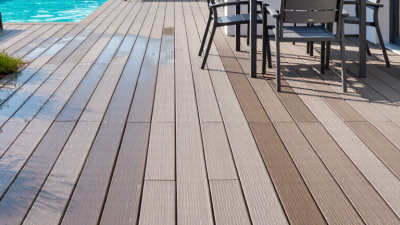
Surface finish affects both appearance and upkeep. Embossed grain can add texture, while brushed finishes often look more understated. A capped board has a protective outer layer, which may help resist stains and fading, but edges and cut ends still need proper installation. Look closely at sample corners and grooves for consistent coating. Also consider heat: darker colors can become uncomfortable underfoot in direct summer sun. No finish removes routine cleaning, and even a convincing wood pattern may look artificial up close. Choose the profile and finish that fit your climate, foot traffic, and willingness to maintain the deck.

Assess Durability, Safety, Certifications, and Climate Fit

Choosing WPC decking starts with the test paperwork, not the color sample. ASTM D7032 evaluates structural performance for wood-plastic composite decking and guardrails. Ask for test results covering the exact board profile you plan to buy. A certificate for another thickness or support spacing may not apply. Not all certificates mean the same thing.

Safety needs specific evidence. Request slip-resistance results and check whether testing reflects wet conditions; a dry showroom sample tells you little about rain. Also inspect the installation guide for joist spacing, fastening, drainage, and required expansion gaps. Small details matter. I would still compare the test method with your local conditions, because a single rating cannot describe every wet, icy, or dusty surface.

Climate fit deserves equal attention. The IPCC’s Sixth Assessment Synthesis Report states that global surface temperature in 2011–2020 was about 1.1°C above 1850–1900 levels. That is not a decking test, but it reinforces the need to plan for heat and changing weather. In a sunny yard, check published heat and color-retention data; in a damp climate, seek moisture and mold-resistance evidence. Look closely at a sample after direct sun, and ask how much it moves with temperature. I might overlook expansion gaps on a first read, too. That is exactly why installation limits belong in the decision.

UV exposure is one climate-fit factor when choosing WPC composite decking. Compare your location’s peak UV Index with the product’s documented UV and weathering test results. Also check wet-slip performance, structural suitability for local conditions, and relevant independent certifications. The chart shows WHO UV Index category thresholds, not decking test results.

Source: World Health Organization — Ultraviolet (UV) Index.

Review Maintenance Requirements, Warranties, and Long-Term Costs

When comparing WPC decking, treat maintenance as a recurring task, not a promise of zero upkeep. Many capped boards need no sanding or seasonal sealing, but dirt, pollen, and food spills still call for prompt cleaning. Follow the maker’s care instructions. Keep leaves from blocking gaps, and inspect joists, fasteners, and drainage each spring.

Small details matter. Read warranty terms closely: compare coverage periods, fading and stain limits, cleaning requirements, installation exclusions, and labor coverage. A lengthy warranty may still leave owners paying for removal or replacement labor. Keep care instructions and receipts; missing records can complicate a claim.

Then estimate total ownership costs, including framing, fasteners, cleaning, repairs, and eventual disposal. Zonda’s 2024 Cost vs. Value report put the average composite deck addition at $24,206, compared with $17,615 for wood. Its estimated resale values were $16,498 and $14,596, respectively.

These national project figures are useful benchmarks, not lifetime-cost forecasts. The report does not measure washing, repairs, or service life. Build a 10- to 20-year estimate using local labor and replacement prices. It will still be imperfect. That uncertainty is worth admitting.

Select a Suitable Supplier and Confirm Installation Compatibility

A reliable WPC decking choice starts with supplier evidence, not a polished product photo. Ask for a current technical sheet showing board dimensions, composition, water absorption, and recommended joist spacing. Request a physical sample too. Check its surface after wetting, and compare the color across several boards; small differences can stand out across a full terrace. Ask how the supplier handles damaged boards and keeps replacement stock available. Get answers in writing.

Installation compatibility matters just as much. Confirm that the decking suits your subframe material, joist spacing, fastening method, and local temperature range. Composite boards expand and contract, so edge gaps and end-to-end spacing must follow the product instructions. Check stair nosings, fascia, and clips before ordering; one incompatible accessory can delay the job. Ask the supplier to review a simple plan with measurements. Better now than after cutting.

A capable supplier should explain limits plainly, including drainage needs and the risk of surface marks from furniture or grit. Verify warranty terms, maintenance steps, lead time, and who handles technical questions after delivery. If answers stay vague, pause. I once underestimated the value of a dry-fit check; it could have caught a tight corner early. Even good boards can disappoint when installation details are guessed. Leave room for a second review.