Leave Your Message

How to Choose WPC Deck Boards in 2026?

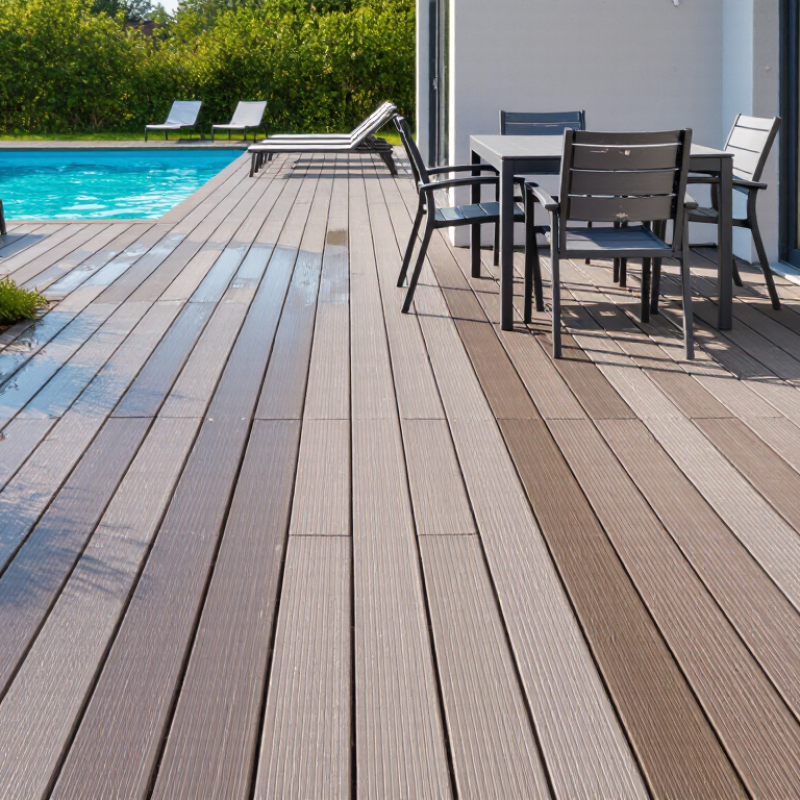
Choosing Wpc Deck Boards in 2026 requires more than matching colors to a garden wall. Outdoor conditions have become less predictable. Heat, heavy rain, strong sunlight, and repeated freezing can expose weak materials quickly. A beautiful sample may still warp, fade, or feel hot under bare feet.

Paul LaFrance, a veteran deck builder and television renovation expert, has said, “A deck should be designed for the way you live, not just the way it looks.” That idea remains useful when comparing WPC Deck Boards. Consider how often people use the space, whether furniture will move across it, and how much maintenance you can realistically accept. A shaded balcony needs different performance from a south-facing pool deck. Small details matter.

Look closely at the board’s core, surface texture, slip resistance, and expansion guidance. Check the warranty, but do not treat it as a complete performance guarantee. Installation quality matters just as much. Poor joist spacing or blocked drainage can damage even premium boards. Ask for verified test data, not only attractive photographs.

Be practical. Dark boards can become uncomfortable in direct summer sun. Grooved profiles may hide fasteners, but they can collect dirt. Some claims sound impressive. They may deserve closer questions. The best choice balances appearance, climate, foot traffic, budget, and long-term care. There is no perfect board. There is only a more suitable one for your actual space.

How to Choose WPC Deck Boards in 2026?

What WPC Deck Boards Are and How They Work

WPC deck boards combine wood fibers, thermoplastic resin, pigments, and stabilizers. Manufacturers blend these materials, heat them, and extrude the mixture into shaped profiles. The result resembles timber, but its structure is engineered rather than grown. Grand View Research estimated the global WPC market at about USD 7.14 billion in 2023, with construction among its leading applications.

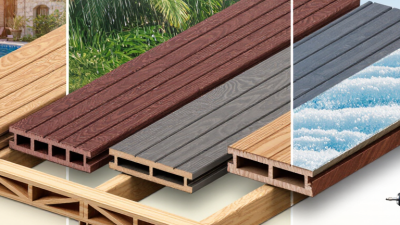
The boards work through a semi-rigid polymer matrix. Wood fibers add stiffness and texture, while plastic limits water absorption and biological decay. They are not completely waterproof. Uncapped boards can still absorb moisture through cut ends and surface scratches. Capped boards add a thin protective layer, which usually improves stain and weather resistance.

Check the edge.

In practical deck inspections, poor airflow causes more trouble than many buyers expect. Leave the specified gaps, keep joists level, and prevent leaves from blocking drainage. WPC expands and contracts with temperature, so fastener systems and end gaps matter. A 2024 report from the Freedonia Group identifies repair and replacement activity as important demand drivers for composite decking, reflecting long-term maintenance concerns. However, market reports often group different composite products together. Their figures are useful, not perfect.

When choosing boards in 2026, compare recycled content, profile density, cap thickness, slip resistance, fire classification, and installation requirements. Request tested data, not only attractive photographs.

A darker board may feel significantly hotter in direct summer sun. That detail is easy to miss.

Which Materials and Core Types Suit Different Decking Needs

How to Choose WPC Deck Boards in 2026?

Material choice should follow the deck’s exposure, not only its appearance. Wood-plastic composite boards usually combine recycled polymers with wood fibers. They resist insects, splintering, and routine moisture better than untreated wood. However, quality varies with fiber content, resin stability, and manufacturing control. A board beside a sunny pool may fade or expand differently from one under a covered balcony.

Capped WPC boards add a protective polymer layer around the core. This option suits busy patios, dining areas, and homes exposed to frequent rain. The cap improves stain resistance, but it cannot repair poor installation. Leave the specified expansion gaps. Use compatible fasteners. Small mistakes become visible after summer heat. Uncapped boards often cost less and can work well in shaded, low-traffic spaces. They may show scratches and color changes sooner.

Core structure also affects performance. Solid boards feel stable under heavy furniture and are useful for stairs or commercial-style walkways. Hollow boards weigh less and improve handling on raised decks. Their internal channels need careful sealing near cut ends. Foam-filled cores offer lower weight with a more solid feel, yet they require verified load ratings. I once assumed a heavier board was automatically stronger. It was not. Check span tables, joist spacing, drainage, surface temperature, and local weather records before ordering. Sample boards placed outdoors for several weeks reveal changes that indoor samples hide.

How to Choose WPC Deck Boards in 2026? — Which Materials and Core Types Suit Different Decking Needs
Decking Need Recommended Material Suitable Core Type Typical Composition or Structure Main Advantages Important Limitations Moisture Resistance Heat and Slip Considerations Maintenance Profile Best-Fit Application
General residential outdoor use Wood–plastic composite using recycled wood fiber and polyethylene or polypropylene Capped solid or capped semi-solid core Wood fiber or flour blended with a thermoplastic polymer, stabilizers, pigments, and additives; an exterior polymer cap provides an additional protective layer. Balanced appearance, durability, dimensional stability, and resistance to ordinary outdoor moisture. Usually costs more than untreated wood; boards can become hot in direct sun and still require correct joist spacing and ventilation. High Choose lighter colors and a textured surface for sunny or frequently wet areas; verify tested slip performance rather than relying only on appearance. Routine sweeping and occasional washing; no regular staining or sealing is normally required. Patios, balconies, garden decks, and family outdoor living areas.
High moisture, poolside, or marine-adjacent locations PVC decking or a highly moisture-resistant capped WPC Solid PVC core or capped solid WPC core PVC boards contain no wood fiber; capped WPC boards combine a composite core with a moisture-resistant polymer surface layer. Very low water absorption, no wood-fiber swelling, and strong resistance to rot and moisture-related decay. PVC may have a more synthetic appearance and can expand and contract noticeably with temperature changes; textured surfaces can retain dirt. Very high Use a slip-tested, embossed surface around pools; pale colors generally reduce heat buildup compared with dark colors. Low; rinse salt, chlorine, and dirt regularly and keep drainage paths clear. Pool surrounds, waterfront decks, humid climates, and low-clearance installations.
Maximum resistance to scratches, stains, and fading Capped WPC with a dense protective polymer shell Capped solid or capped hollow-core board A composite structural core is enclosed by a thin, continuous polymer cap on the top and exposed sides. Improved resistance to food stains, color change, surface scuffs, and moisture compared with most uncapped boards. The cap is not completely damage-proof; deep cuts, aggressive sanding, or improper fastening can expose the core. Very high Surface texture, color, and solar exposure affect comfort; select a product with published slip and weathering test data. Low; clean spills promptly and avoid abrasive cleaners or metal snow shovels. High-traffic terraces, outdoor dining areas, rental properties, and homes with pets.
Lower material weight for rooftop or elevated decks WPC, PVC, or polypropylene-based composite selected for its verified mass per square meter Hollow or honeycomb-core board Internal chambers reduce material volume and weight while exterior webs provide structural shape. Easier handling and potentially lower dead load than comparable solid boards. Hollow ends may require end caps; unsupported loads, fastening zones, and span limits must follow the product’s engineering data. High to very high Use a slip-tested texture and ensure the cavity design does not collect standing water or debris. Low, but open ends and drainage channels need periodic inspection. Rooftop terraces, raised platforms, balconies, and projects where board weight is a major constraint.
Heavy furniture, concentrated loads, or commercial traffic Dense WPC, PVC, or polypropylene composite with published structural performance Solid core or reinforced semi-solid core High material volume provides greater local resistance to impact and concentrated loading than many lightweight hollow profiles. Better resistance to furniture legs, trolley wheels, localized impact, and frequent foot traffic when properly supported. Heavier to transport and install; a solid board is not automatically stronger unless span and load data are verified. High Specify a durable texture and allow for thermal movement at board ends and fixed points. Low to moderate; frequent cleaning may be necessary in commercial environments. Restaurants, hospitality terraces, public walkways, and decks with large outdoor furniture.
Natural wood appearance and a more textured feel Wood-rich WPC with a brushed or embossed surface Capped solid or semi-solid core Higher wood-fiber content can create a more wood-like visual texture; the exact ratio varies by formulation. Natural-looking grain, good color options, and a warmer visual character than many smooth PVC boards. Wood-rich formulations may absorb more moisture than PVC-only products; color variation and weathering should be expected. Moderate to high Textured grain can improve wet traction, but deep embossing may hold dirt and should be cleaned with the grain. Low; regular washing helps preserve appearance, but painting and sealing are generally unnecessary. Residential gardens, landscape projects, and designs prioritizing a wood-like appearance.
Cost-conscious decking with basic composite benefits Uncapped WPC made with polyethylene or polypropylene and wood fiber Solid or semi-solid core The composite material is exposed at the surface rather than protected by a separate polymer cap. Often offers a lower initial price than capped boards while reducing the need for staining and sealing. Generally more vulnerable to staining, color change, moisture uptake, and surface wear than capped alternatives. Moderate Choose a lighter color for sun-exposed areas and use a surface with adequate wet traction. Moderate; spills should be removed quickly, and periodic deeper cleaning may be needed. Covered decks, moderate-use residential projects, and budgets where initial cost is important.
Hot, sunny climate Light-colored capped WPC, PVC, or mineral-modified composite Solid or semi-solid core with low-heat surface color Light pigments generally absorb less solar radiation than dark pigments; some formulations include mineral fillers for stiffness or thermal performance. Can reduce perceived surface heat and may provide improved dimensional stability when supported by test data. All exterior boards heat in direct sunlight; color alone cannot guarantee a comfortable surface temperature. High to very high Prioritize light colors, shade, ventilation, and published thermal or slip information; avoid barefoot use assumptions without testing. Low; remove dust and organic debris that can retain heat and moisture. South-facing decks, open rooftops, desert climates, and areas with intense solar exposure.
Cold climates with strong seasonal temperature changes Dimensionally stable capped WPC or PVC with documented expansion characteristics Solid or semi-solid core Dense profiles generally provide predictable fastening zones; the selected product must specify installation gaps for its temperature range. Suitable for freeze–thaw exposure when installed with correct gaps, drainage, fastening, and substructure ventilation. Thermal movement can cause buckling or gaps if installation clearances are ignored; trapped water can freeze and damage surrounding components. High Use a slip-resistant texture and keep the deck free of ice, leaves, and algae; do not use metal tools that can damage the surface. Low to moderate; seasonal inspection of fasteners, gaps, and drainage is recommended. Continental climates, freeze–thaw regions, and decks exposed to snow.
Lower environmental impact within a composite product category Composite containing verified recycled polymer and recycled wood fiber Any core type, provided recycled content and product durability are documented May use post-consumer or post-industrial materials; actual environmental performance depends on recycled content, service life, transport, and end-of-life options. Can reduce demand for virgin raw materials and divert suitable waste from disposal. “Recycled” does not automatically mean recyclable; mixed materials, caps, additives, and local collection systems affect end-of-life recovery. Depends on formulation Select based on verified product data, color, texture, and climate suitability rather than recycled content alone. Usually low; longer service life can reduce replacement-related material use. Projects requiring documented recycled content, environmental product information, or life-cycle assessment data.
Selection note: Performance varies by formulation, profile geometry, cap design, color, climate, joist spacing, fastener system, and installation quality. Before purchase, compare the manufacturer’s published span tables, expansion gaps, slip-resistance data, fire classification, recycled-content documentation, and warranty conditions.

How to Compare Durability, Safety, and Weather Resistance

Choosing WPC deck boards in 2026 starts with the conditions around your home. A board that performs well in a dry inland yard may struggle beside a wet coast. I compare technical sheets, but I also inspect samples outdoors after rain and direct sun. This reveals surface heat, texture, drainage, and color change. Do not judge durability by thickness alone. Look for impact resistance, flexural strength, fastener holding, and documented wear testing. I once focused too heavily on thickness and overlooked drainage. That was a costly oversight.

Safety deserves equal attention. Ask whether the surface stays slip-resistant when wet, especially near pools and steps. Rounded edges can reduce foot injuries, while stable dimensions help prevent raised boards. Check fire-performance information where local building rules require it. Also confirm that recycled content and additives are clearly disclosed. Vague claims weaken trust. A low-maintenance surface is not automatically safe.

Weather resistance involves more than waterproof marketing. Compare water absorption, freeze-thaw performance, UV stability, and resistance to mold or salt air. Leave adequate spacing for expansion, and follow the installation guidance precisely. Poor ventilation can trap moisture beneath boards. That mistake is easy to make. One honest limitation matters: WPC can still become hot under intense summer sun. Light colors may reduce heat, but they cannot remove it. Test a sample under local summer conditions before committing.

How to Choose Board Profiles, Colors, Textures, and Sizes

How to Choose WPC Deck Boards in 2026?

Board profiles affect strength, weight, drainage, and installation time. Solid boards feel stable underfoot and suit busy terraces, outdoor kitchens, and heavy furniture. Hollow boards are lighter, but their internal ribs need careful support spacing. Check the technical sheet, not only the product photo. ASTM D7032 evaluates composite decking performance, including bending and fastener-related properties. Local climate still matters. A wet, windy site may punish a lightweight profile.

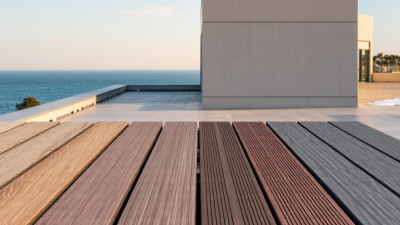
Color should match heat exposure and the surrounding building. Dark boards create a dramatic appearance, but they can become uncomfortable in direct summer sunlight. Light gray, sand, and warm brown usually reduce visual heat and show less dust. Texture deserves a close inspection. Deep wood grain can improve grip, yet it may trap pollen between grooves. Ask for a full-size sample. Small samples lie.

According to Grand View Research’s 2024 composite decking report, the global market was estimated at about USD 6.1 billion in 2023, with growth expected through 2030. That growth brings more sizes and surface patterns, but not always better choices. Common widths range from approximately 135 to 150 millimeters, while lengths often reach four to six meters. Measure joist spacing before ordering. A wider board may speed installation, but it can expose uneven framing. I once preferred the widest profile for fewer seams; the finished surface looked less balanced. Recheck proportions before buying.

How to Evaluate Installation, Maintenance, Cost, and Sustainability

How to Choose WPC Deck Boards in 2026?

How to Evaluate Installation, Maintenance, Cost, and Sustainability

When I inspect a deck, installation errors often explain later movement or squeaking. Choose boards with clear span tables and compatible fasteners. Check joist spacing before ordering. A board that looks rigid in a showroom may flex on a wider frame. Leave the required end and side gaps. They allow heat-driven expansion. Keep the deck surface slightly sloped for drainage, and avoid blocking beneath the boards. Small details matter.

Maintenance should fit your actual routine. Most WPC boards need sweeping, prompt stain removal, and occasional washing with mild cleaner. Test any cleaner on a hidden area. Dark colors can become hot in direct sun, especially beside glass doors. I once underestimated afternoon glare on a south-facing deck. That choice reduced comfort. View color samples outdoors, not only under store lighting.

Compare installed cost, not board price alone. Include substructure repairs, trims, fasteners, delivery, cutting waste, and future cleaning. Ask for written warranty terms and confirm who handles installation claims. Sustainability requires harder questions. Look for documented recycled content, durable service life, and a realistic end-of-life pathway. “Recyclable” can be vague without local collection options. A longer-lasting board may reduce replacement waste, but production impacts still matter. Request credible environmental documentation. Then question your assumptions.

How to Choose WPC Deck Boards in 2026?

Evaluating installation, maintenance, cost, and sustainability

How to read this chart: The figures represent practical planning benchmarks for WPC decking, not a quotation or a brand-specific claim. Installation is shown as estimated labor days per 10 m², maintenance as annual cleaning frequency, cost as a typical material-and-accessory range in USD per m², and sustainability as the commonly reported recycled-content range. Actual results vary with board design, substructure, site access, climate, and local prices.