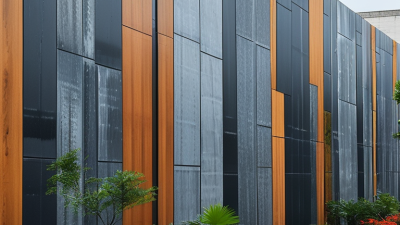
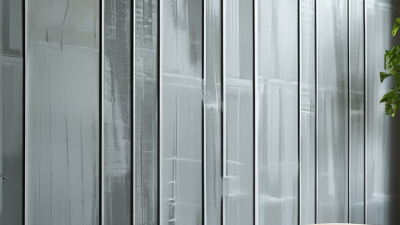
What Is a Fiber Wall Panel?
A Fiber Wall Panel is a prefabricated wall surface made with reinforced fibers, resin, cement, wood, or mineral binders. Its exact composition varies by manufacturer and application. The term is not perfectly standardized. That matters. Buyers should review the technical datasheet instead of trusting the product name alone. In practice, these panels may provide a clean interior finish, impact resistance, moisture tolerance, or added thermal and acoustic performance. A panel can resemble painted plaster, timber, or textured stone. Its edges, joints, and surface coating often determine the final visual quality.
Market demand reflects broader construction priorities. Fortune Business Insights valued the global fiber cement market at approximately USD 16.5 billion in 2023 and projected continued growth through 2032. Grand View Research also identifies renovation, weather resistance, and low-maintenance exteriors as important market drivers. These findings help explain why fiber-based wall systems appear in homes, offices, healthcare facilities, and commercial interiors. However, market growth does not guarantee product suitability. It is easy to overstate benefits. Fire classification, formaldehyde emissions, water absorption, recycled content, and installation requirements need independent verification. ASTM and ISO test methods can support more reliable comparisons, but test results may differ by panel thickness and assembly design. A practical evaluation should include a sample panel, visible joint details, substrate conditions, and cleaning tests. Small details matter. A beautiful panel may still fail when moisture enters an unsealed edge. This guide explains what a Fiber Wall Panel is, how it is built, where it performs well, and which limitations deserve careful attention.
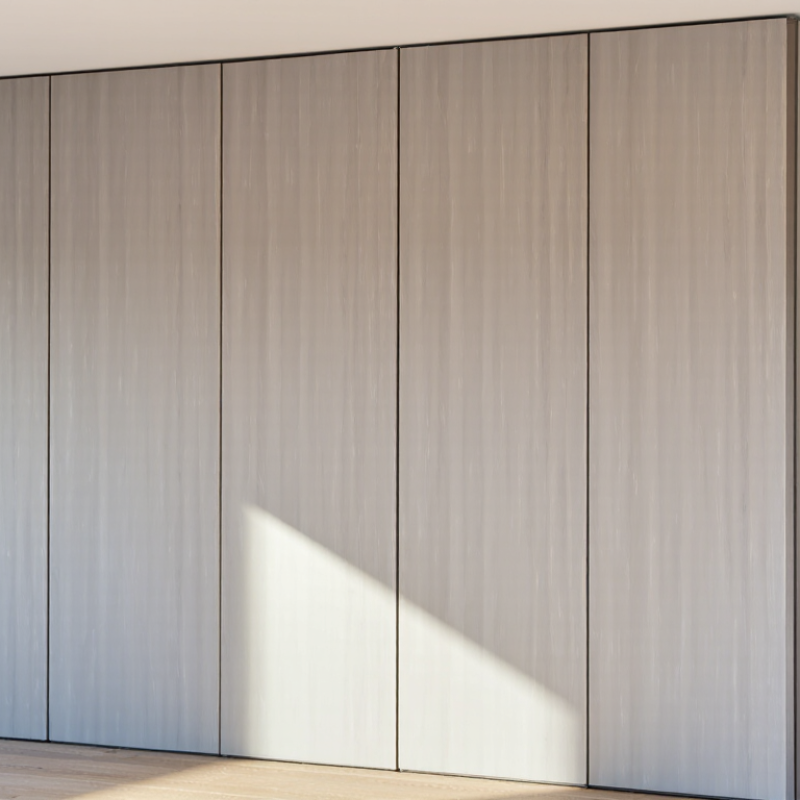
Definition and Basic Structure of Fiber Wall Panels
What Is a Fiber Wall Panel?
Definition and Basic Structure of Fiber Wall Panels
A fiber wall panel is a manufactured wall board made from mineral, wood, cellulose, or synthetic fibers. The term describes a construction format, not one fixed material. Common panels combine compressed fibers with cement, resin, gypsum, or mineral binders. Their final properties depend on density, fiber orientation, moisture resistance, and surface treatment.
A basic panel usually has four functional parts: a finished face, a structural or insulating core, a rear layer, and reinforced edges. The face may be smooth, textured, or coated for easier cleaning. The core controls stiffness, sound absorption, and thermal performance. The rear layer helps limit moisture movement. Joints, screws, clips, and sealants complete the wall system, although these details are often underestimated.
The International Energy Agency reports that buildings consume about 30% of global final energy and create roughly 26% of energy-related emissions. Therefore, panel selection should consider more than appearance. Density, thermal resistance, fire classification, and moisture behavior deserve equal attention. A dense fiber cement panel can resist impact, while a porous fiber panel may improve acoustic comfort but require careful humidity control.
In practical installation, uneven framing can produce visible waviness. Poorly sealed joints may also reduce performance. These weaknesses are easy to overlook. Product data sheets and independent test reports should confirm water absorption, fire behavior, formaldehyde emissions, and acoustic ratings before specification. Even then, site conditions can change the result.
What Is a Fiber Wall Panel?
A fiber wall panel is a rigid interior or exterior panel made from wood fibers or other reinforcing fibers bonded with resin or mineral binders. Its basic structure commonly includes a finished surface, a fiber-based core, and a rear backing layer.
The chart presents common nominal thickness options for fiberboard-based wall panels. Thinner panels are often used for decorative wall covering, while thicker panels provide greater rigidity and impact resistance. Actual thickness and layer construction vary by application and manufacturer.
Materials and Manufacturing Process
What Is a Fiber Wall Panel?
Materials and Manufacturing Process
A fiber wall panel is a lightweight surface board made from organized fibers. Common materials include wood fiber, mineral fiber, glass fiber, and recycled polyester. Each material creates different results. Wood fiber feels warm, while mineral fiber often offers better fire resistance. Polyester fiber is flexible and useful for acoustic treatment.
Manufacturing begins by cleaning, sorting, and sizing the fibers. Manufacturers then blend them with a binder, resin, or heat-activated adhesive. The mixture is spread into a controlled layer. Pressure and temperature form the panel’s thickness and density. Some panels are pressed in molds, while others are produced through continuous forming. After curing, workers cut the edges and add color, texture, or a protective finish. Quality checks usually measure density, thickness, moisture response, sound absorption, and fire performance. The process is precise, but not flawless. Uneven pressure can create weak spots or visible surface changes.
Tips: Check the technical sheet before installation. Match the panel material to the room’s humidity and fire requirements. Inspect the edges for crumbling or warping. A small sample can reveal color shifts under real lighting. Also, allow the panels to acclimate indoors. Skipping this step may cause avoidable movement later. Remember that laboratory ratings may not match every building condition. Local codes and professional installation guidance still matter.
Types and Key Performance Characteristics
What Is a Fiber Wall Panel?
Types and Key Performance Characteristics
A fiber wall panel is made from compressed fibers, binders, or mineral additives. Common types include medium-density fiberboard, high-density fiberboard, wood-fiber insulation boards, and wood-wool cement panels. Each type behaves differently. Density matters.
The USDA Forest Products Laboratory’s Wood Handbook reports thermal conductivity values of roughly 0.1–0.2 W/m·K for many wood-based products. Lower values generally indicate better insulation. Wood-fiber boards also help reduce sound transmission, but their acoustic results depend on thickness, joints, and cavity depth. A laboratory rating cannot fully predict a busy room.
Moisture resistance remains critical. Some fiber panels swell after prolonged exposure, especially around unsealed edges. EN 13171 identifies performance requirements for wood-fiber insulation products, while EN 13501-1 classifies reaction to fire. These standards support comparison, but installation still controls real performance.
The International Energy Agency reported in its 2023 buildings analysis that operational energy use remains a major global concern, increasing interest in efficient wall assemblies. Yet thicker panels are not automatically better. A poorly detailed wall can lose heat through fasteners, gaps, and damp corners.
Check declared density, thermal conductivity, water resistance, fire classification, and acoustic testing before specifying a panel. Labels can still mislead.