Ultimate WPC Deck Boards Tips You Need to Know?
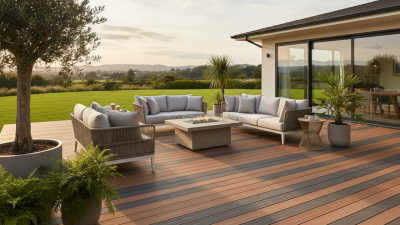
When considering WPC Deck Boards, many homeowners seek durable and attractive options for their outdoor spaces. WPC, or Wood Plastic Composite, offers a unique blend of wood and plastic, making it resistant to weather and wear. However, choosing the right WPC deck boards can be challenging.
Understanding the key features of these boards is essential. Factors like thickness, surface texture, and color options play a significant role in durability and appearance. Moreover, installation techniques and maintenance practices are vital for maximizing the lifespan of your deck. Many people overlook these details, resulting in subpar outcomes.
Ultimately, selecting the perfect WPC deck boards requires careful thought and planning. The more information you gather, the better prepared you will be. Always weigh options critically and seek advice from experts where necessary. Making informed decisions today can prevent costly mistakes down the line.
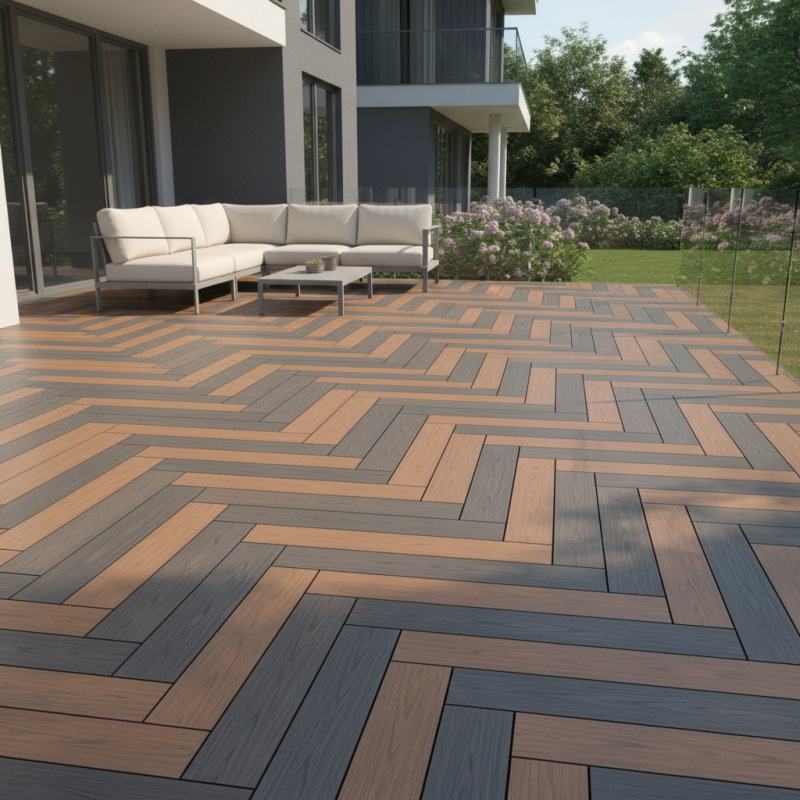
Understanding WPC Deck Boards: Composition and Benefits
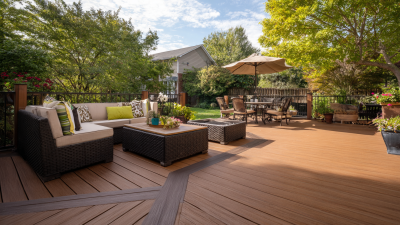
WPC deck boards, made from wood-plastic composite, are gaining popularity among homeowners. The composition of these boards typically includes recycled wood fibers and plastic. This blend offers durability while maintaining an attractive appearance.
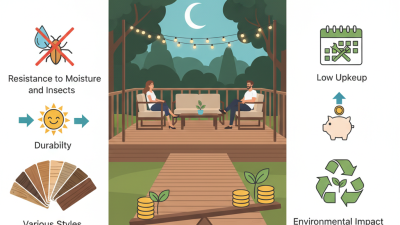
Unlike traditional wood, WPC is resistant to insects, rot, and fading. These features make it an appealing option for outdoor spaces.
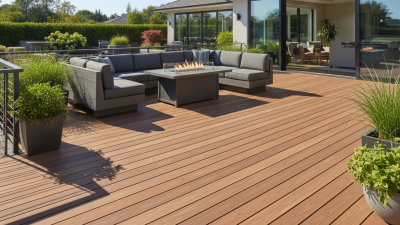
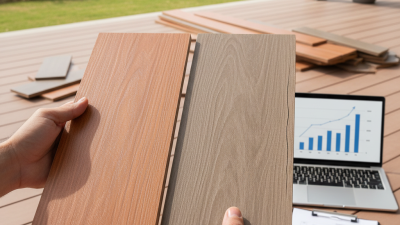
Choosing WPC deck boards brings multiple benefits. They require less maintenance compared to natural wood, saving both time and money. WPC boards are also available in various colors and textures, allowing for creative design choices.
However, some may find the initial cost higher than lumber. Over time, the overall savings from maintenance can balance this out.
Sustainability is another significant aspect. Using recycled materials helps reduce waste in landfills. However, it’s crucial to source WPC from reputable manufacturers to ensure quality. Not all products are created equal, and poor-quality boards can lead to issues like warping.
Making informed decisions requires researching and considering long-term outcomes.
Comparing WPC Deck Boards to Traditional Wood and PVC Decking
When comparing WPC deck boards to traditional wood and PVC decking, several factors come into play. WPC, or wood-plastic composite, combines wood fibers with plastic. This results in a material that is resistant to rot and insects, a significant advantage over traditional wood.
Wooden decks require regular maintenance. They must be stained and sealed often, which can consume a lot of time and resources.
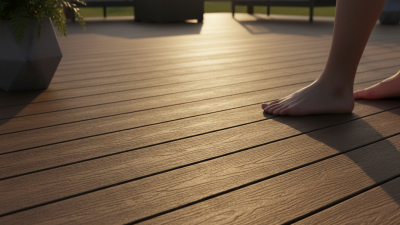
On the other hand, PVC decking offers durability, but it lacks the natural appearance of wood. Many find PVC less aesthetically pleasing. WPC boards provide a middle ground. They mimic the look of wood while remaining low-maintenance.
The downside? Even though they resist moisture, they can still warp under extreme conditions.
Choosing between these materials often requires careful thought. Factors such as climate, budget, and desired aesthetics play a role. No option is perfect. Emphasizing the unique characteristics of each type can help homeowners make an informed choice.
Ultimately, understanding the advantages and limitations of WPC, wood, and PVC helps in selecting the right decking for your next project.
Key Performance Metrics: Lifespan, Water Resistance, and Maintenance Needs
When considering WPC (Wood-Plastic Composite) deck boards, focus on lifespan, water resistance, and maintenance needs. These factors define the longevity and performance of your deck.
Lifespan varies, but quality WPC boards can last over 25 years. Regular inspections help catch wear early. Watch for fading or splintering. If you notice these, it might be time to consider replacements or repairs.
Water resistance is crucial. WPC boards are designed to withstand moisture. Yet, standing water can still cause damage. Regularly clean debris from the surface. Using a water-repellent treatment can enhance this feature.
Maintenance is another critical element. While WPC boards require less upkeep than wood, they still need care. Pressure washing once a year can remove dirt and stains. Check the manufacturer’s guidelines for safe cleaning methods. Remember, neglecting maintenance can lead to bigger issues later. Use these tips to keep your deck looking great and lasting longer.
Ultimate WPC Deck Boards Tips You Need to Know
| Performance Metrics |
Details |
| Lifespan |
25-30 years |
| Water Resistance |
Highly Water Resistant |
| Maintenance Needs |
Low Maintenance |
| UV Stability |
Resistant to Fading |
| Scratch Resistance |
Moderately Scratch Resistant |
| Color Options |
Multiple Color Choices Available |
Installation Best Practices: Tools and Techniques for WPC Decking
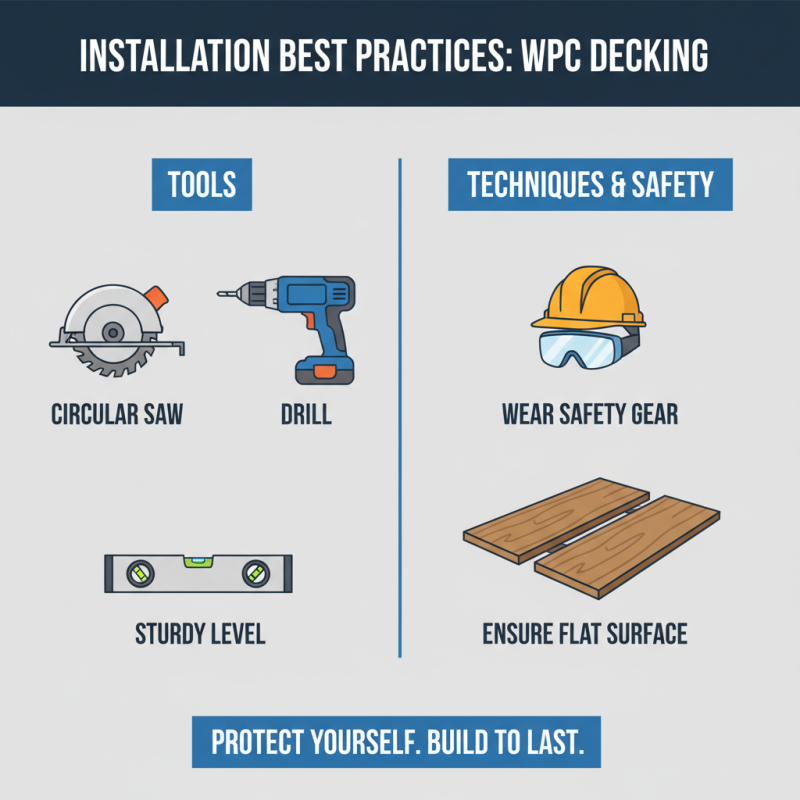
When installing WPC decking, having the right tools is crucial. A circular saw, drill, and tape measure should be on your list. Choose a sturdy level to ensure a flat surface. Always wear safety gear; this protects you during the installation process.
Proper preparation is key to a successful deck. Start with a clean and clear workspace. Ensure your substructure is robust and meets local codes. It can be tempting to rush, but this step is important. A weak foundation leads to future issues.
Tip: Allow the boards to acclimate for 48 hours before installation. This prevents warping. Also, be mindful of spacing between boards. Too tight means water can’t escape, while too wide may invite pests. Measure twice and cut once is a classic mantra. Make it your own as a best practice.
Environmental Impact: Recyclability and Sustainability of WPC Materials
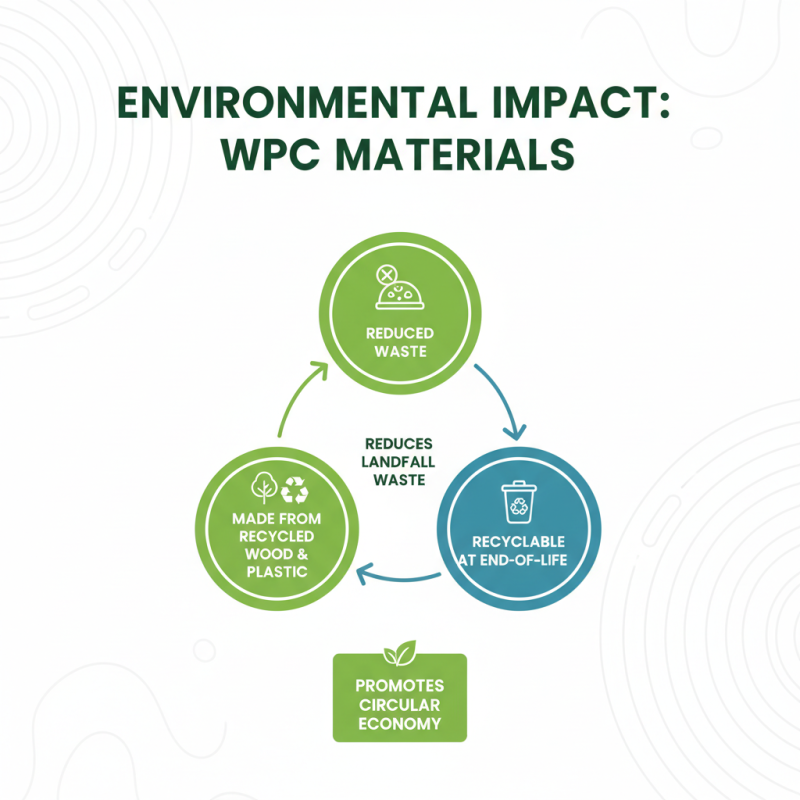
When considering WPC (Wood Plastic Composite) decking materials, it's essential to understand their environmental impact. WPC decking is often touted for its sustainability. Made from recycled wood and plastic, these materials can significantly reduce landfill waste. Additionally, WPC boards can be recycled at the end of their lifecycle, promoting a circular economy.
When selecting WPC decking, be mindful of its source. Opt for products made from post-consumer recycled materials. This choice not only supports recycling efforts but also reduces the demand for new resources. It's important to check if the materials are certified by credible organizations. Certifications can help ensure that the WPC you choose adheres to environmental standards.
Incorporating WPC into your outdoor spaces can reduce maintenance costs. These boards require less upkeep than traditional wood. However, some manufacturers may advertise their products as maintenance-free, which could be misleading. Regular care is still necessary to preserve their appearance and longevity. Always consider the long-term implications of your decking choices.