How to Choose the Best Plastic Siding for Your Project
Choosing Plastic Siding starts with more than comparing colors on a sample board. The right choice must suit your climate, wall assembly, budget, and maintenance expectations. Vinyl siding is a common plastic option, but products vary in thickness, profile, finish, and installation requirements. A sunny south-facing wall, for example, can expose differences in fading and heat performance over time.
Industry data can help set realistic expectations. Zonda’s 2024 Cost vs. Value report estimated a national average cost of $17,410 for vinyl siding replacement and a resale value of $13,957, or about 80.2% cost recouped. That is useful context, not a promise. The figures describe a specific remodeling project and may not reflect local labor costs, product quality, or your home’s condition. The U.S. Census Bureau’s Characteristics of New Housing data also tracks exterior wall materials, helping readers compare how siding choices vary across regions. Still, market prevalence does not prove a product is right for every building.
A careful comparison should look at published wind and impact ratings, warranty terms, color stability, and installation details—not just the price per panel. Check whether the manufacturer’s instructions match your project, especially around windows, corners, and drainage. Small details matter. I would also be cautious about treating any single rating or payback estimate as decisive; real performance depends on installation and exposure. This guide will help you weigh those factors and choose Plastic Siding with clearer expectations.
What Plastic Siding Is and How It Performs
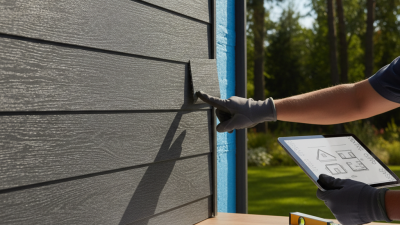
Plastic siding is exterior cladding made from molded polymers, most commonly PVC-based material. It attaches to a wall over sheathing, usually with a weather-resistive layer behind it. The panels shed rain, but they cannot replace sound flashing or careful window details. That distinction matters.
In everyday use, plastic siding resists rot and does not need paint. Cleaning with water and mild soap is often enough. Strong sunlight can fade it over time, depending on the product, color, and exposure. Panels also expand and contract as temperatures change, so installers leave space at joints and avoid fastening them too tightly. On a hot afternoon, a dark wall can feel noticeably warmer. Hail, a stray ball, or a ladder may crack some panels, and repairs can show a color mismatch as older siding weathers. “Low maintenance” does not mean maintenance-free. Check seams, trim, and drainage after storms. One detail is easy to overlook: the wall beneath must stay dry. Compare impact ratings and climate suitability, then inspect samples outdoors rather than only under showroom lights. I might choose by appearance too quickly; performance deserves equal attention.
How to Assess Your Project’s Climate, Budget, and Style
Start with the weather your walls actually face, not a broad regional label. Coastal air, long wet seasons, strong sun, and repeated freeze-thaw cycles can affect plastic siding differently. Check the product’s published guidance for UV exposure, moisture, and temperature, then compare it with conditions around your home. On a shaded north wall, trapped moisture may matter more than fading. Details matter. Ask a qualified installer how the wall assembly will manage drainage and ventilation.
Set a budget that includes more than the panels. Trim, corner posts, fasteners, removal, and labor can change the final figure. Request an itemized estimate and clarify which repairs are excluded. A lower purchase price can be appealing, but thinner panels may show waviness over uneven framing. That adds up. Compare maintenance needs and likely service life, while treating estimates as ranges rather than promises.
Style should fit the building’s proportions and surroundings. Bring samples outdoors; colors can shift between morning shade and afternoon glare. Look at the texture from the sidewalk, not only at arm’s length. Wider profiles may make a small facade feel calmer, while narrower lines can suit detailed trim. I sometimes give too much weight to a perfect sample board; real walls have shadows, seams, and slight irregularities. Choose a finish that still feels right on an ordinary cloudy day.
Which Plastic Siding Materials and Profiles to Compare
Choosing plastic siding starts with the material, not the color. Vinyl, usually made from PVC, is widely available and resists moisture, but it expands and contracts as temperatures change. Correct fastening and installation clearance help accommodate that movement. Some polypropylene systems are lightweight, but impact performance varies by formulation and temperature. Compare wall thickness, UV protection, impact-test data, and installation instructions instead of relying on a showroom sample. Check samples outdoors. Sunlight can change how a shade looks beside roofing, trim, and nearby surfaces. A small sample can mislead; that is easy to overlook.
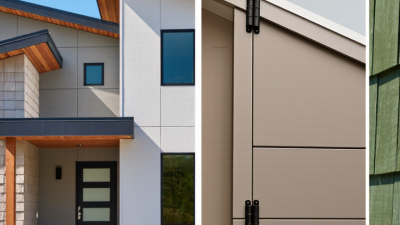
Profiles shape both appearance and water handling. Traditional horizontal lap siding suits many house styles and makes individual courses easy to inspect. Dutch lap adds a shadow line, while vertical board-and-batten can emphasize height on gables or full walls. Shingle-style panels create texture, but deeper edges may collect dirt and require more careful cleaning. Profile depth, panel length, and corner details affect how seams look from the street. Ask how openings, roof edges, and transitions are finished; weak detailing can undermine even well-made panels. There is no perfect profile. Compare a full panel in daylight, and confirm that the system suits the wall condition and local exposure.
How to Choose Plastic Siding: Compare Material Movement
Plastic siding expands and contracts as temperatures change. This chart compares representative linear thermal expansion coefficients for common siding polymers; lower values indicate less movement for the same change in temperature.
Values are representative midpoints of typical material ranges, not product-specific ratings. Actual coefficients vary by formulation and temperature. When comparing lap, board-and-batten, or shake profiles, follow the product’s installation guidance for expansion gaps and fastening; longer panels generally need careful movement allowance.
How to Evaluate Durability, Maintenance, and Energy Performance
Plastic siding can resist moisture, but durability varies with thickness, formulation, and installation. Compare specifications, including impact ratings and wind resistance, rather than judging by color or price alone. Inspect sample edges and locking seams; thin panels may flex noticeably in cold weather. Ask how the material performs across your local temperature range. Sun exposure matters, too: darker colors can absorb more heat and may show fading sooner. No panel is maintenance-free.
Routine care is usually simple. Rinse dust and pollen with a garden hose, and use mild soap for stubborn marks. Avoid abrasive pads, which can scratch the surface. Check corners, seams, and areas near downspouts each year; trapped water or loose panels deserve attention. For energy performance, siding is not a substitute for insulation. Insulated backing or a ventilated rainscreen may reduce heat transfer, but results depend on the whole wall assembly, air sealing, and climate. Have a contractor assess existing insulation before paying extra for an add-on. Savings are easy to overestimate.
Tips: Save a sample and the installation guide. Compare warranty coverage for fading, cracking, and wind damage. Ask how repairs are handled. The fine print can change the decision.
How to Match Siding Features to Your Project Requirements
Start with the wall and weather, not the color sample.
Coastal wind, hail, strong sun, and freeze-thaw cycles place different demands on plastic siding. Ask for documented wind-load ratings, impact performance, UV resistance, and panel thickness; compare like with like. ASTM International’s D3679 specification covers rigid PVC siding, so request evidence of conformity rather than relying on a sales description. Check the installation manual too. Poor fastening can leave panels rattling or buckling, even when the siding is sound.
Measure twice.
Then match features to the building’s weak points.
If rooms feel drafty, inspect air sealing and insulation before paying extra for insulated siding. Cladding alone will not fix air leaks.
Not just appearance.
Where ladders are difficult to use, look for clear cleaning guidance and inspect sample panels for seams and color variation in daylight. Check warranty terms for fading and hail exclusions. The 2024 Journal of Light Construction Cost vs. Value report estimated $17,410 for a national vinyl-siding replacement. It estimated $13,957 in resale value, an 80.2% cost recouped. That is a market average, not a promise for your home. Local labor, tear-off, trim, and repairs can shift the estimate.
I would revisit the corner details; it is easy to underestimate how much trim changes the finished look.