Leave Your Message

2026 Best Cladding Wall Panels for Exterior Use?

Choosing the right Cladding Wall Panel for an exterior is not just a color decision. Rain, sun, wind, and freeze-thaw cycles test every joint and fastener. A panel that looks crisp on a showroom wall may behave differently on a windy, exposed elevation. Details matter.

The United Nations Environment Programme and GlobalABC reported that buildings and construction accounted for about 32% of global energy use and 34% of energy-related CO₂ emissions in 2023. Those figures cover the wider sector, not cladding alone. Still, they explain why durability, insulation, and repairability belong in the same conversation. Building-science expert Joseph Lstiburek describes the “perfect wall” as one with “all the control layers on the exterior of the structure.” That principle is useful when comparing rainscreen systems, fiber cement, metal, engineered wood, and other panel types. The finish is only one layer.

This 2026 guide compares exterior panels by weather resistance, maintenance, installation demands, appearance, and likely service life. It also flags trade-offs that product brochures can soften: heavier panels may require stronger support, while low-maintenance finishes can cost more upfront. No panel is perfect. Project exposure, local climate, substrate, and workmanship can change the result. Treat performance claims as starting points, then verify test methods, warranties, and installation instructions for the exact product.
2026 Best Cladding Wall Panels for Exterior Use?

What Exterior Cladding Wall Panels Are and How They Protect Buildings

Exterior cladding wall panels are the outer finish attached to a building’s walls. They shield the layers behind them from rain, wind, sunlight, and everyday impacts. Many systems include a drainage gap, flashing, and a water-resistive barrier. Panels are not waterproof by themselves. Water still finds gaps.

A well-detailed wall directs moisture outward and limits heat flow, while allowing suitable drying. The U.S. Department of Energy’s Building Technologies Office reports that buildings account for about 40% of U.S. energy use. That figure covers whole buildings, not cladding alone, but it shows why envelope performance matters.

ENERGY STAR, a U.S. EPA program, estimates that air sealing and insulation can reduce average heating and cooling costs by 15%. Cladding panels do not achieve that saving on their own; insulation, air control, and careful installation matter too.

In practice, check panel joints, window edges, and the base of the wall, where water can collect. Material choice matters, but workmanship can matter more. That distinction is easy to overlook. A panel may resist weather well, yet a poorly drained cavity can still trap moisture.
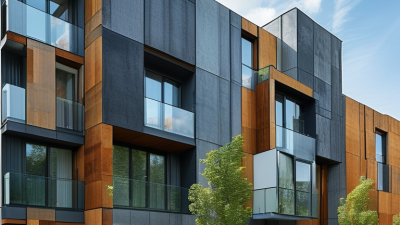
The Main Types of Cladding Panels Available for Exterior Use in 2026

2026 Best Cladding Wall Panels for Exterior Use?

The Main Types of Cladding Panels Available for Exterior Use in 2026

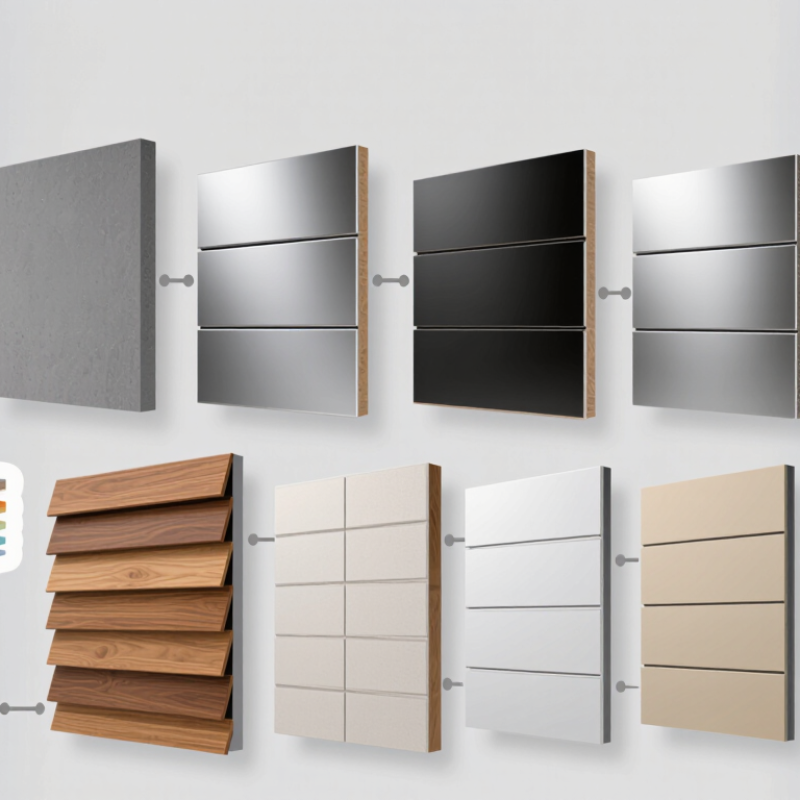
Exterior cladding panels come in several materials, and each suits different buildings, climates, and maintenance plans. Fiber-cement panels resist moisture and fire, while offering painted or textured finishes. Metal panels, often aluminum or steel, are lightweight and create crisp lines. Their coatings and fixing details matter, especially in coastal or rainy areas. Wood brings natural grain and warmth, but needs regular care to limit weathering.

Vinyl and other PVC panels are generally light and easy to clean, though heat and impact can affect performance. High-pressure laminate panels provide varied colors and patterns, but require suitable backing and careful installation.

Stone and brick panels can add a substantial, traditional appearance; check their weight and support requirements before choosing. A small sample can be misleading: sunlight, dirt, and the full wall area change how a finish looks. There is no universal winner.

Tips: Compare the full installed system, not just the panel. Ask about drainage, ventilation, fire performance, warranties, and replacement options. Check a large sample outdoors. A little skepticism helps.

How to Compare Panels by Durability, Weather Resistance, and Cost

2026 Best Cladding Wall Panels for Exterior Use?
How to Compare Panels by Durability, Weather Resistance, and Cost

Choosing exterior wall panels means weighing more than the purchase price. Compare how each material handles impact, moisture, sunlight, and temperature changes. A sample may look tough indoors but behave differently after years of rain and summer heat. Check published test data and installation requirements, then consider whether the panel needs sealing, repainting, or specialist repairs. No panel wins every test.

Weather resistance depends on both the panel and the details around it. Look for clear guidance on drainage, ventilation, expansion gaps, and compatible fasteners. These details help limit trapped moisture and movement-related damage. In exposed areas, ask how the finish performs under strong sun and driving rain. Costs should include labor, trims, maintenance, and likely repairs—not just the price per square foot. The comparison is not always tidy; local climate and workmanship can change the result.

Tips: Compare written warranties carefully, but treat them as one piece of evidence, not a durability guarantee. Ask a qualified installer to inspect the wall substrate and explain maintenance needs. Keep a small offcut if possible, so future repairs can be matched more easily. Even a promising panel can disappoint when the installation details are overlooked.

2026 Exterior Cladding Panels: Durability, Weather Resistance & Cost

General material comparison on a 1–5 scale. For cost, a higher score means greater affordability.

These indicative ratings reflect common material characteristics, not product-specific test results. Actual performance and installed cost vary with product quality, finish, climate, installation, and maintenance. Check local pricing, warranties, and building requirements before choosing.

Which Cladding Materials Suit Different Buildings and Climates

2026 Best Cladding Wall Panels for Exterior Use?

Which Cladding Materials Suit Different Buildings and Climates

Cladding should match the building’s exposure, not just its appearance. In humid, rainy regions, fiber-cement panels and drained rainscreen assemblies can help limit moisture problems. The cavity still needs proper flashing and ventilation. No panel can compensate for poor detailing. In dry, temperate areas, timber can provide a warm finish, but it needs maintenance and protection from persistent ground moisture. Coastal buildings face salt spray and wind-driven rain; corrosion-resistant fixings and durable finishes matter as much as the visible panel.

For hot, sunny climates, light-colored metal or fiber-cement cladding can reduce absorbed solar heat, though insulation and shading remain essential. Metal expands and contracts with temperature changes, so joints must allow movement. On taller buildings, heavier brick or stone may suit the design, but the structure must support their weight. The UNEP and Global Alliance for Buildings and Construction’s 2024 Global Status Report estimates that buildings and construction accounted for 34% of global energy demand in 2022. That makes the wall assembly’s thermal performance worth checking, not just its cladding material. The IPCC reports global mean sea level rose about 0.20 metres from 1901 to 2018, a useful reminder for coastal projects to assess flooding and splash exposure. Details vary by site. A local designer should verify wind, fire, moisture, and energy requirements before specifying panels.

Key Considerations for Panel Installation and Long-Term Maintenance

2026 Best Cladding Wall Panels for Exterior Use?

Panel performance depends on the details behind the finished surface. Check the substrate, framing, and flashing before installation; uneven supports can leave panels stressed or joints misaligned. Keep drainage paths clear, and follow the panel maker’s specified gaps and fastener spacing. Small details matter. A blocked cavity can trap water instead of directing it out.

Choose a maintenance plan that fits the material and local exposure. Inspect joints, penetrations, and lower edges after storms, then clean dirt before it hides cracks or corrosion. The USDA Forest Products Laboratory’s Wood Handbook (2021) describes wood-decay fungi as a risk when moisture remains high; wood moisture content around or above 20% is a useful warning level, not a universal pass-or-fail test. For broader context, UNEP and the Global Alliance for Buildings and Construction reported that buildings and construction used 32% of global energy and produced 34% of energy- and process-related CO₂ emissions in 2023. Cladding alone cannot solve that impact, but sound detailing can help protect the wall assembly. I still wouldn’t treat a clean-looking façade as proof that hidden flashing is working. Inspect the vulnerable corners.

2026 Best Cladding Wall Panels for Exterior Use? Key Considerations for Panel Installation and Long-Term Maintenance

Panel Material Typical Installed Cost
(US$/sq. ft.)
Indicative Service Life Moisture and Weather Considerations Fire and Impact Considerations Maintenance Installation Considerations Often Suited To
Fiber-cement panels $8–$18 About 30–50 years, depending on exposure, installation, and upkeep. Dimensionally stable compared with many wood products, but joints, edges, and the wall’s drainage plane still need careful detailing. Many products are noncombustible; confirm the specific product’s documentation and the tested wall assembly. Panels can crack if mishandled or struck. Inspect paint, joints, and flashings periodically; repaint when the finish requires it. Heavy and brittle relative to vinyl or wood. Follow specified fasteners, clearances, joint details, and cutting precautions. Projects seeking a painted, wood-like appearance and a relatively low-maintenance exterior.
Metal panels (steel or aluminum) $10–$25 About 30–60 years; alloy, coating, climate, and maintenance affect durability. Use compatible corrosion-resistant finishes and details. Coastal salt, standing water, and contact between dissimilar metals can accelerate corrosion. Metal itself is generally noncombustible, but the complete assembly—including insulation, coatings, and backing—must be evaluated. Panels may dent. Wash as needed and inspect coatings, fasteners, joints, and cut edges for damage or corrosion. Allow for thermal movement and provide the specified drainage, ventilation, and fastening system. Contemporary designs and projects where a lightweight, recyclable cladding option is desired.
Engineered-wood panels $7–$15 About 20–40 years when correctly installed and maintained; exposure and finish condition are important. Protect cut edges and keep panels clear of the ground and other water-trapping details. Persistent wetting can cause swelling or deterioration. Wood-based products are combustible unless treated and approved as part of a specific assembly. Impact resistance varies by product and thickness. Inspect paint or stain, joints, and exposed edges; renew the finish according to product guidance. Install with required clearances, flashing, drainage space, and compatible fasteners; follow the manufacturer’s moisture-protection details. Projects seeking a warm wood appearance with panel formats and a moderate initial cost.
Vinyl panels $5–$12 About 20–40 years; sunlight, temperature swings, product quality, and installation affect performance. Panels shed rain but are not a substitute for a properly flashed, water-managed wall assembly. Heat and cold can cause expansion and contraction. Vinyl is combustible and can soften or distort when exposed to intense heat. It can crack on impact, especially in cold conditions. Generally low maintenance; wash periodically and check for loose, cracked, or heat-distorted panels. Provide for movement: panels must not be tightly fastened, and specified clearances around openings and accessories are important. Budget-conscious projects where low routine upkeep and a broad range of colors are priorities.
Porcelain or ceramic panels $15–$35 About 40–60 years or longer in suitable, properly installed systems. Low water absorption in the panel does not eliminate the need for drainage, waterproofing, and correctly detailed joints behind the cladding. Porcelain and ceramic are noncombustible materials and resist fading; panels can chip or break from concentrated impact. Usually limited to cleaning and inspection of joints, anchors, and sealants. Requires a system designed for panel weight, wind loads, movement, and attachment method. Large-format panels need careful handling and qualified installation. Higher-budget projects seeking a durable, color-stable surface with a refined finish.
Natural-stone veneer panels $15–$40+ Often 50 years or longer, though anchors, mortar, joints, and the supporting wall may need repair sooner. Stone type and porosity vary. Flashing, drainage, and freeze-thaw suitability are especially important in wet or cold climates. Stone is noncombustible and generally resists everyday wear, but brittle pieces may crack under movement or impact. Inspect joints, sealants, drainage openings, and anchors; clean with methods appropriate to the stone. High weight may require structural support and engineered anchorage. Confirm substrate capacity and local code requirements before installation. Projects prioritizing a natural appearance and willing to accommodate higher material, structural, and installation costs.

How to use these figures: Costs are broad 2026 planning ranges in U.S. dollars per square foot installed, not quotes. Regional labor rates, panel format, wall height, access, insulation, substrate repairs, trim, and the attachment system can substantially change the total.

Service-life note: These are indicative ranges, not guarantees or product warranties. Actual performance depends on the specific product, climate, exposure, installation quality, maintenance, and the condition of the wall assembly.

Before choosing panels: Check local building and fire codes, wind-load requirements, product installation instructions, and warranty terms. A durable panel still relies on correct flashing, water management, compatible fasteners, and properly detailed openings and joints.