How to Choose the Best Plastic Siding for Your Home?
Choosing the best Plastic Siding for your home can transform its appearance and functionality. With various options available, the decision-making process can be overwhelming. Plastic siding is a popular choice due to its durability and low maintenance. Beyond aesthetics, it offers energy efficiency and weather resistance, which are vital for protecting your home.
Consider how much wear and tear your siding will face in different climates. The style you prefer should complement your home’s architecture. Some homeowners might prioritize price, but investing in high-quality Plastic Siding pays off in the long run. Don’t overlook potential pitfalls. Improper installation can lead to costly repairs. It's essential to evaluate materials carefully and seek professional guidance when needed.
Finding the right balance between cost, quality, and curb appeal is crucial. Plastic Siding can provide the ideal solution if you approach your decision with thorough research. Remember, your choice impacts not just your home's look but its value and longevity.
Factors to Consider When Choosing Plastic Siding for Your Home
Choosing plastic siding for your home requires careful consideration. Start by evaluating the climate in your area. Some types perform better in extreme temperatures or heavy rainfall. Check the material's durability. Look for options that resist fading, cracking, and warping over time. These factors greatly impact the lifespan of your siding.
Another key aspect is insulation. Good insulation can help regulate your home's temperature. It may also reduce energy costs. Ensure the siding you select has adequate insulating properties.
Additionally, think about the aesthetic appeal. Different styles and colors can enhance your home's curb appeal. However, remember that trends change, and what looks good today might not age well.
Lastly, assess the maintenance requirements. Some plastic sidings require minimal upkeep, while others may need frequent cleaning or repairs. Weighing the balance between low maintenance and durability is crucial. Reflect on your lifestyle and how it aligns with your choice of siding. Choosing wisely can lead to lasting satisfaction with your home's exterior.
Types of Plastic Siding Materials: Vinyl, Polymer, and Engineered Options
When selecting plastic siding for your home, consider the three main types: vinyl, polymer, and engineered options. Vinyl siding is popular due to its affordability and variety of colors. It’s easy to maintain, but it can fade over time, which may require replacement sooner than expected. Ensure you invest in high-quality vinyl to enhance durability and decrease fading rates.
Polymer siding is gaining traction for its strength and aesthetic appeal. It mimics the look of wood without the high maintenance. Still, its cost may be higher than vinyl. Evaluate your budget carefully, as polymer can be a long-term investment.
Engineered siding offers a blend of materials designed for resilience against harsh weather. This option often comes with good warranties. However, installation can be complex, which might lead to additional costs.
Tips: When choosing siding, always research different materials thoroughly. Ask local experts or contractors for advice based on regional weather. Factors like insulation and energy efficiency are also crucial. Take time to inspect samples, as visuals often reveal more than descriptions. Don't rush the decision; your home's exterior deserves thoughtful consideration.
How to Choose the Best Plastic Siding for Your Home?
| Type of Plastic Siding |
Materials |
Durability |
Maintenance |
Cost (per sq.ft.) |
| Vinyl Siding |
PVC (Polyvinyl Chloride) |
High - Lasts 20-40 years |
Low - Requires occasional washing |
$2.50 - $6.50 |
| Polymer Siding |
Polymer plastic |
Very High - Lasts 30-50 years |
Medium - Needs occasional care |
$4.00 - $8.00 |
| Engineered Siding |
Wood particles and resin |
High - Lasts 20-30 years |
Medium - Regular painting required |
$3.50 - $7.50 |
Evaluating Durability and Weather Resistance of Plastic Siding
When choosing plastic siding for your home, evaluating its durability and weather resistance is crucial. Not all plastic siding is created equal. Some products may appear attractive but lack the strength to withstand harsh conditions. Check for impact-resistant options that can endure hail or high winds. A thick, high-quality siding usually offers better protection.
Consider your local climate. If you live in an area with intense sun exposure, choose UV-resistant siding. This helps prevent fading and maintains its appearance over time. Additionally, look for siding with good thermal performance. Well-insulated plastic siding keeps your home comfortable, reducing energy costs.
Research is important. Read reviews and seek experiences from other homeowners. Not all plastic siding warranties are the same. Some may not cover damage from extreme weather. This can lead to unexpected expenses. Finding reliable information from reputable sources strengthens your decision-making process. Ensure you explore multiple options and be open to the pros and cons of each before making a commitment.
Durability and Weather Resistance of Different Plastic Siding Materials
Cost Analysis: Budgeting for Installation and Long-term Maintenance
When budgeting for plastic siding,
it's crucial to consider both installation costs and long-term maintenance.
A report from the Remodeling 2021 Cost vs. Value
found that homeowners can expect to pay between $3.50 to $7.00
per square foot for installation. This cost varies based on the type of
plastic siding chosen, local labor rates, and the complexity of the installation.
For an average-sized home, this can amount to a total of $6,000 to $12,000.
Long-term maintenance also warrants attention. According to the
Vinyl Siding Institute, homeowners can save
substantial amounts on upkeep over time. Plastic siding generally requires
minimal maintenance. Occasional cleaning, however, should be factored in,
with an estimated annual cost of $300
for cleaning and inspection. Over 20 years, this small yearly investment can
amount to $6,000. Yet, if neglect allows mold or mildew to thrive,
removal costs could skyrocket.
Choosing the right product requires balancing initial costs with potential
long-term savings. In evaluating your budget,
think beyond just installation. Unexpected repairs or replacements can strain finances.
Reviewing industry reports offers insight but remember: individual circumstances
vary significantly. Your location, home design, and personal preferences all
play a critical role in the final decision. Be cautious of overspending on
cheaper siding if it leads to higher maintenance costs later.
Understanding Energy Efficiency Ratings for Plastic Siding Choices
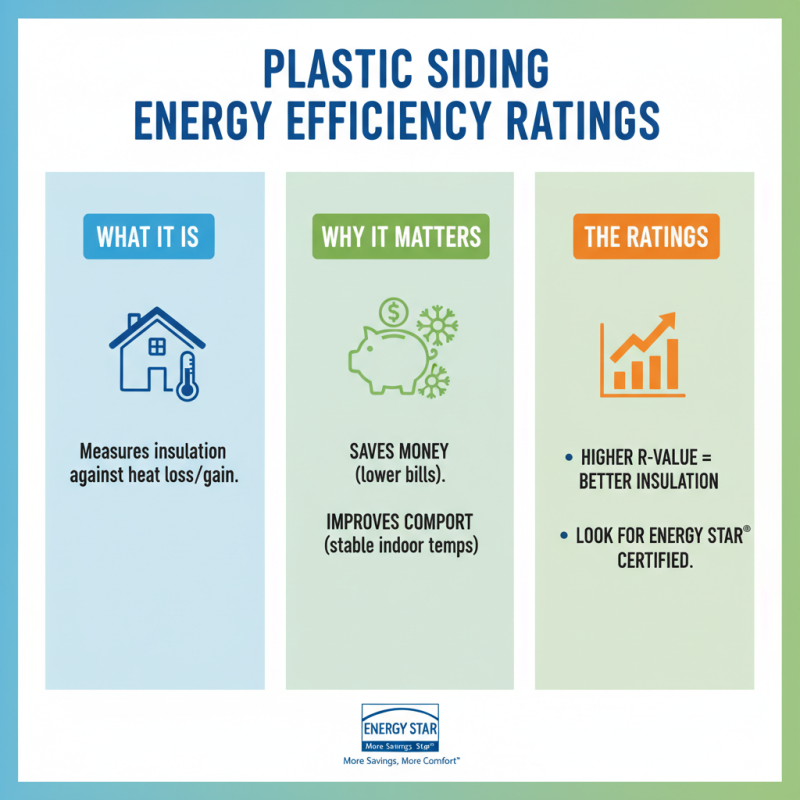
When selecting plastic siding for your home, energy efficiency is a key consideration. Understanding energy efficiency ratings is essential. These ratings indicate how well a siding material can insulate your home against heat loss or gain. Higher ratings mean more energy savings and better indoor comfort.
Different plastic siding types have varying insulation properties. Look for options with higher R-values, as they provide better thermal resistance. Also, consider siding with reflective surfaces. These can help reduce cooling costs in warmer climates. Pay attention to the environmental impact as well. Eco-friendly materials often have better efficiency ratings and can contribute to sustainability.
However, it is crucial to balance aesthetics and performance. Many homeowners may feel overwhelmed by choices. Often, siding looks great but lacks proper insulation. Do thorough research and read customer reviews. Look for siding that not only meets energy ratings but also fits your style and home design. Each choice has pros and cons. Reflecting on your priorities can help you make a wise decision.