Sound walls, also known as noise barriers, play a crucial role in urban planning and development. Recent studies indicate that sound walls can reduce noise pollution by up to 60%. This significant reduction can vastly improve the quality of life for residents near busy roadways or industrial areas. The World Health Organization has reported that excessive noise exposure can lead to various health issues, including stress and sleep disturbances.
For global buyers, the adoption of sound walls is increasingly relevant. The construction market is projected to grow at a CAGR of 4.5% through 2028, emphasizing the need for innovative solutions to combat urban noise. While many buyers appreciate the aesthetic and functional benefits, challenges remain. Effective installation and maintenance require expertise and commitment, often lacking in some regions.
Balancing environmental concerns with structural integrity is essential. Noise barriers must meet stringent regulations without compromising safety. As we explore the top 10 benefits, it's vital to recognize the complexities involved. The conversation around sound walls is not merely about sound attenuation; it also encompasses socio-economic impacts and long-term sustainability.
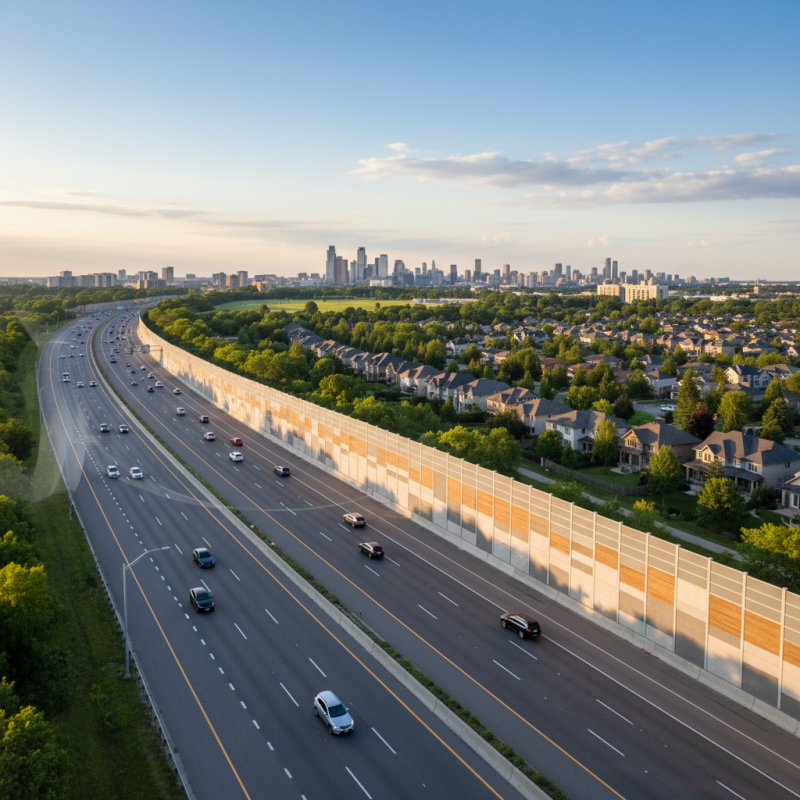
Sound walls are essential structures designed to mitigate noise pollution. They serve crucial roles, especially in urban areas. These walls can significantly lower sound levels from highways and busy streets. By acting as barriers, they protect residential neighborhoods from intrusive noise. Their design can vary, utilizing materials such as concrete, wood, or recycled plastics. Each material presents unique sound-absorbing properties.
Additionally, the effectiveness of sound walls depends on proper placement and height. A well-designed wall can reduce noise by up to 10 decibels. This reduction creates a more peaceful environment, benefiting mental well-being. Furthermore, sound walls often incorporate aesthetic elements. They can enhance the visual landscape, blending functionality with art. However, the initial costs can be a concern for some communities. Maintenance is also an ongoing need that must be considered. The balance between cost and benefit can spark debates among local governments and residents.
Ultimately, sound walls play a vital role in modern architectural solutions. They reflect a growing recognition of noise pollution and its impact on quality of life. Communities must assess their specific needs and resources carefully. Effective sound wall implementation requires cooperation and expertise. The journey of designing and building these structures can reveal surprising challenges and opportunities for improvement.
| Benefit | Description | Impact on Environment | Cost Efficiency |
|---|---|---|---|
| Noise Reduction | Significantly decreases surrounding noise levels from highways and railways. | Lower noise pollution contributes to a healthier habitat. | Reduces the need for additional soundproofing in buildings. |
| Privacy Enhancement | Creates a barrier that protects residential areas from intrusive sound. | Encourages more wildlife to thrive in quieter zones. | Saves costs on privacy solutions like fences. |
| Aesthetic Value | Can be designed to blend with or enhance surroundings. | Improved landscape design can boost local biodiversity. | Increases property value due to better aesthetics. |
| Safety Improvement | Reduces the likelihood of accidents by limiting distractions. | Less traffic noise leads to reduced stress for wildlife. | Lower accident rates can reduce emergency service costs. |
| Property Value Protection | Can stabilize or increase property values in noisy areas. | Reduced noise can make neighborhoods more appealing. | Maintains local tax revenue by preserving home values. |
| Durability | Constructed from materials designed to withstand harsh conditions. | Less frequent replacement leads to lower resource use. | Long lifespan decreases ongoing maintenance costs. |
| Regulation Compliance | Helps meet local noise ordinances and regulations. | Supports community initiatives for better living environments. | Avoids fines or additional costs related to non-compliance. |
| Community Acceptance | Promotes better relationships between communities and infrastructure developments. | Fosters support for infrastructure projects for noise abatement. | Reduces potential costs of community opposition. |
| Sustainability | Can incorporate green materials and landscaping. | Enhances environmental performance of infrastructure. | Long-term savings from energy-efficient solutions. |
| Noise Level Monitoring | Some installations allow for ongoing assessment of noise situations. | Data collected can lead to better future planning. | Helps allocate budget effectively for future noise management. |

Urban noise pollution has become a pressing issue in many cities worldwide. Studies show that chronic exposure to high noise levels can lead to various health problems. According to the World Health Organization, noise pollution contributes to over 1 million healthy years lost annually. Sound walls are an effective solution to mitigate this issue and enhance urban environments.
These structures act as barriers that absorb, deflect, or reflect sound waves. The absorption of sound waves can reduce noise levels by up to 20 dB, significantly improving the quality of life for residents. In densely populated areas, sound walls can transform busy roads into more livable spaces. They can create quiet zones, allowing people to enjoy outdoor activities without the constant interruption of traffic noise.
While sound walls are beneficial, their effectiveness can vary. Factors such as height, material, and location affect their performance. Some studies suggest that poorly designed sound walls may not provide the expected noise reduction. Therefore, careful planning is necessary to maximize the advantages of these walls for urban communities.
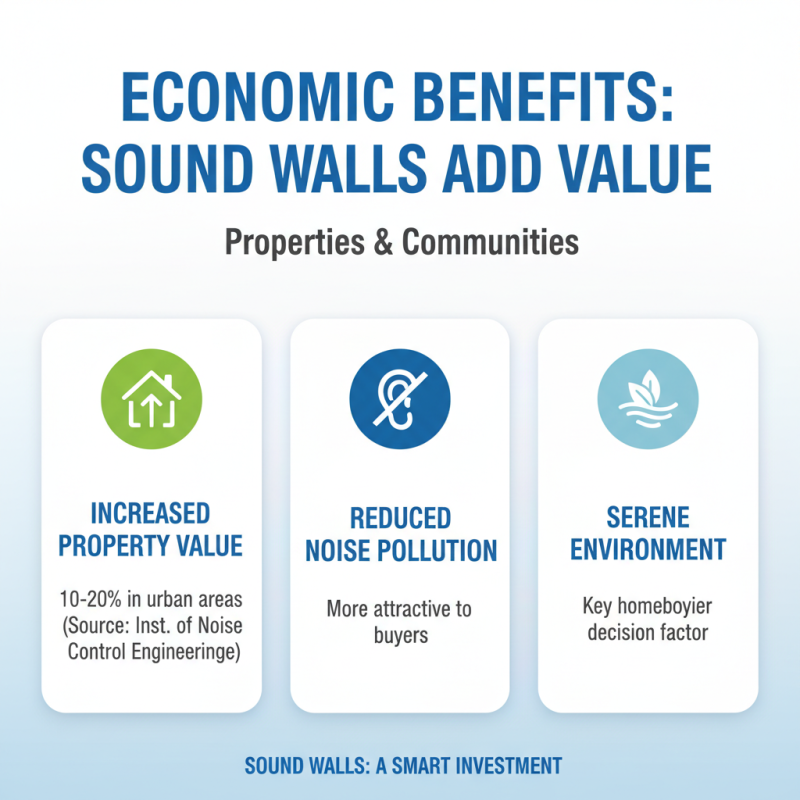
Sound walls significantly enhance property values and community appeal. A report from the Institute of Noise Control Engineering shows that sound barriers can increase residential property values by 10% to 20% in urban areas. This increase stems from reduced noise pollution, making neighborhoods more attractive to potential buyers. Effective sound insulation fosters a serene environment, which is often a deciding factor for homebuyers.
The economic impact extends beyond property values. Communities that invest in sound walls can benefit from lower healthcare costs. A study published by the World Health Organization indicates a direct link between noise reduction and improved mental wellness. This contributes to fewer stress-related health issues, which can decrease public health expenditures.
**Tip: If considering a property, evaluate the noise levels first. A peaceful location can save you money down the road.** Enhancing the community with sound walls may also attract businesses, fostering local economic growth.
However, the installation process can be costly. Not all projects guarantee immediate returns on investment. It’s essential to assess each project’s long-term viability before proceeding. Environmental factors play a crucial role in the effectiveness of sound walls, requiring thorough planning and analysis.
**Tip: Engage with local authorities to understand the benefits offered by sound barriers. Collaboration leads to informed, impactful decisions.**
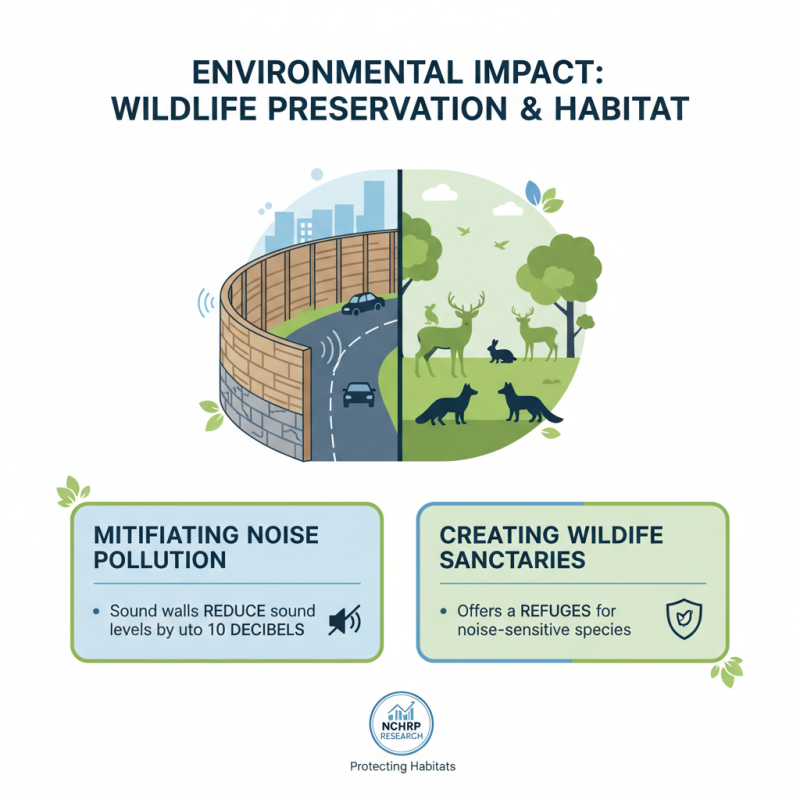
Sound walls play a crucial role in wildlife preservation and habitat considerations. Urban development often encroaches on natural habitats. The construction of sound walls can help mitigate noise pollution, offering a refuge for many species. According to the National Cooperative Highway Research Program (NCHRP), noise barriers can reduce sound levels by up to 10 decibels. This makes a significant difference for sensitive wildlife.
Moreover, the presence of sound walls can deter wildlife from venturing too close to roadways. A report from the Transportation Research Board indicates that barriers can reduce animal-vehicle collisions significantly. They create a safer passage for animals, protecting both them and drivers. However, sound walls must be designed thoughtfully. Poorly planned walls can restrict wildlife movement and fragment habitats.
Tips: When considering sound wall installation, assess the local wildlife species. Understand their migration patterns. Create gaps or passages in barriers to allow safe crossings. Consult with environmental specialists to balance noise reduction and habitat preservation. Engaging with local wildlife agencies can also foster better outcomes. Ultimately, sound walls should protect both human and wildlife interests.
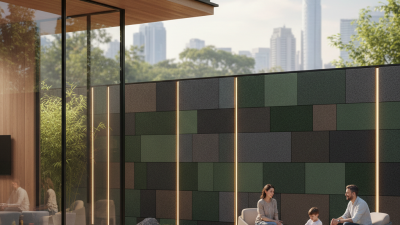
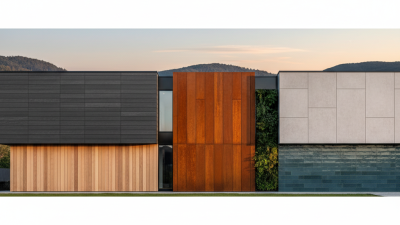
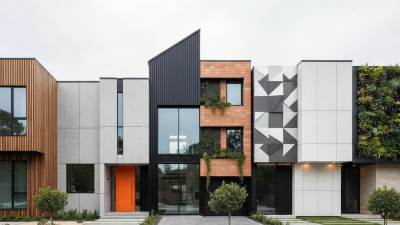
When considering sound walls, aesthetic factors play a crucial role. Designing these structures to blend seamlessly with their surroundings enhances both functionality and beauty. For instance, using natural materials can create a warm and inviting atmosphere. This approach promotes harmony between urban infrastructure and nature.
Landscaping elements, like trees and shrubs, can be integrated into the design of sound walls. These additions not only improve the visual appeal but also support local wildlife. However, achieving the perfect balance can be challenging. Overly industrial designs may clash with serene landscapes, while too much greenery might obstruct visibility. Reflecting on these nuances is vital for creators and planners.
Public engagement is another essential aspect. Involving local communities can spark creative ideas and ensure the final design resonates with residents. Listening to feedback helps avoid overlooking important cultural elements. This process fosters trust and promotes a sense of ownership among the community. Balancing aesthetics with functionality requires thoughtful consideration and adaptability.