How to Choose the Best Plastic Siding?
Choosing the best Plastic Siding is not simply a matter of selecting the brightest color or the lowest price. It is a decision about weather, wall protection, maintenance, and long-term appearance. A dependable choice should match your regional climate, the building’s structure, and your realistic maintenance habits.
Builder and television host Tom Silva has often stressed a practical principle: “The best material is the one that fits the house, the climate, and the homeowner.” That idea matters when comparing vinyl panels, insulated siding, recycled-content options, and thicker profiles. A coastal home may need stronger resistance to wind and salt exposure. A cold-climate property may benefit from insulated backing and carefully sealed joints. In direct afternoon sun, darker colors deserve closer attention because heat can increase expansion concerns.
Look closely at panel thickness, locking edges, fastening slots, warranty language, and published impact ratings. Ask who will install it. Even excellent siding can fail when installers overdrive nails or ignore expansion gaps. Small details show up later as ripples, loose panels, or water intrusion.
Real experience can be less tidy. A premium product may still disappoint on a poorly prepared wall. A cheaper panel may perform adequately under mild conditions. There is no universal winner.
This guide will compare the evidence, explain technical terms, and identify trade-offs without pretending every home needs the same solution. Expect practical checks, not sales language. Your best Plastic Siding choice should look appropriate, perform reliably, and remain manageable years after installation.
Understanding Plastic Siding Types and Their Key Differences
How to Choose the Best Plastic Siding?
Understanding Plastic Siding Types and Their Key Differences
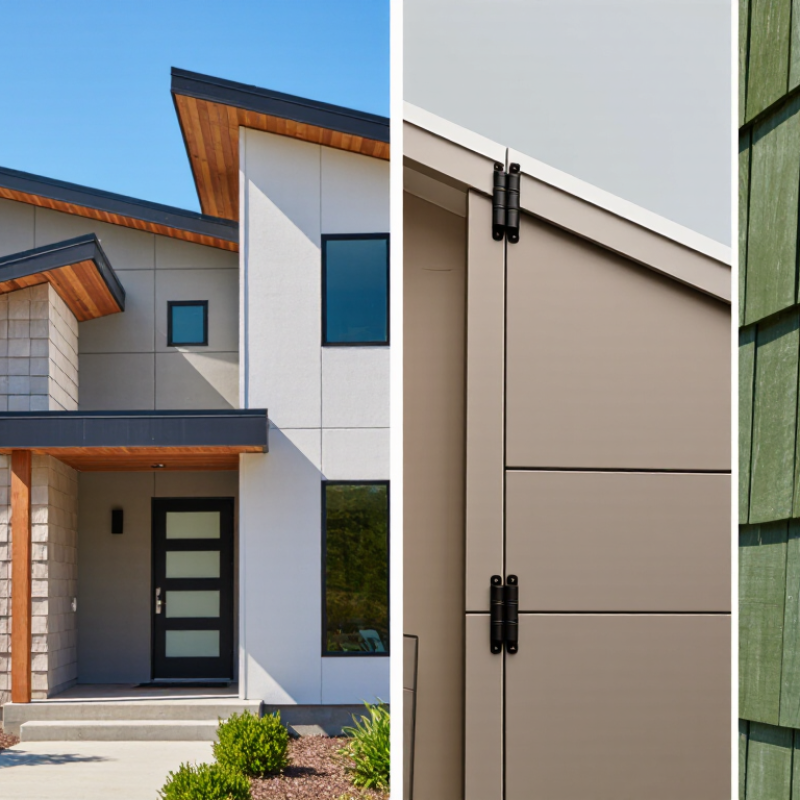
Plastic siding is not one uniform material. Vinyl siding, made mainly from PVC, is lightweight, affordable, and widely available. It resists moisture, insects, and peeling paint. However, thin panels can flex or crack during severe cold. Color may also fade on sun-facing walls over time.
Insulated vinyl siding adds a foam backing beneath the panel. This layer can reduce drafts and make exterior walls feel less hollow. It may improve comfort, but it does not replace proper wall insulation. Installation quality still matters. Poorly fastened panels can buckle when temperatures change.
Engineered polymer siding uses denser plastic compounds, sometimes with molded wood-like textures. It usually feels more rigid and can show sharper edges around windows. Polypropylene siding is another option, often chosen for its impact resistance and molded appearance. Costs vary, and performance depends heavily on thickness, drainage, and local weather.
Look closely at the locking edges, ventilation gaps, and color consistency. A sample panel should remain stable after bending gently by hand. Do not judge quality by appearance alone. I once viewed insulation as the main difference, but fastening details often affect durability more. Dark colors can also absorb strong heat, creating movement between panels. Ask for installation instructions, wind ratings, maintenance requirements, and warranty terms before choosing.
How to Choose the Best Plastic Siding?
Understanding plastic siding types and their key differences can help you balance durability, insulation, appearance, and maintenance requirements.
How to read this chart: The bars show typical service-life ranges for common plastic siding categories. Standard vinyl siding is usually the most economical option, while insulated vinyl, polypropylene, and cellular PVC siding can offer greater durability or improved thermal performance. Actual service life depends on climate, installation quality, exposure, and maintenance.
Evaluating Climate, Building Style, and Installation Requirements
How to Choose the Best Plastic Siding?
Climate should guide your siding choice before color or texture.
In humid coastal areas, choose panels with strong moisture resistance and secure fastening systems. Salt air can corrode nearby metal components, so inspect trim, nails, and flashing carefully. In regions with harsh winters, allow room for contraction and expansion during installation. A rigid panel installed too tightly may buckle when temperatures change. I have seen this mistake create ripples beneath a seemingly perfect surface.
Building style matters too. Wide, traditional panels can suit a farmhouse, while narrow profiles may complement a compact, modern exterior. Match the siding scale to the windows, roofline, and visible foundation. Dark colors can absorb more heat, especially on south-facing walls. That detail is easy to overlook. Samples should be viewed in morning shade and afternoon sunlight, not only indoors.
Installation requirements deserve equal attention.
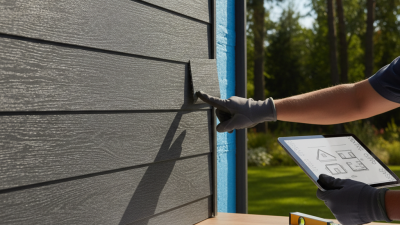
The wall must be dry, reasonably flat, and free from loose sheathing. Installers should use a drainage plane, seal vulnerable openings, and follow local building requirements. Around windows, careful flashing prevents hidden water damage. A qualified installer can identify ventilation problems that a product brochure cannot. Still, professional advice is not infallible; ask how the plan addresses your climate, wall condition, and future repairs. Leave access for inspection, because even durable siding needs occasional checking.
Comparing Durability, Maintenance, Energy Efficiency, and Appearance
How to Choose the Best Plastic Siding?
Durability should be judged against local weather, not showroom appearance.
The National Association of Home Builders’ life-expectancy study places vinyl siding near 60 years under typical conditions. That figure is not a promise. Coastal salt, hail, poor installation, and repeated thermal movement can shorten its service life. Check the panel thickness, locking strength, wind rating, and warranty limitations. A rigid panel should not flex noticeably when pressed by hand.
Maintenance is usually simple.
Wash dust and pollen with mild detergent and a soft brush. Avoid harsh solvents and pressure-washing close to seams. Energy performance requires more careful thinking. The U.S. Department of Energy explains that air sealing and insulation usually deliver greater savings than exterior cladding alone. Insulated plastic siding may improve comfort, but its real value depends on the wall assembly, climate zone, and installation quality. Ask for the tested R-value, not a vague energy-saving claim. Small detail, large consequence.
Appearance also changes over time.
Dark colors can show heat movement, scratches, and fading more clearly. ASTM standards can verify color-retention testing, but laboratory exposure cannot reproduce every neighborhood. Visit older installations nearby. Look beneath window edges for warping, loose panels, and uneven fading. I would not choose from a color card alone. The best option balances repairability, moisture control, and visual consistency with the existing roof and trim.
Checking Product Quality, Warranty Coverage, and Safety Standards
How to Choose the Best Plastic Siding?
Product quality starts with measurable performance, not surface color. Look for compliance with ASTM D3679, the standard for rigid polyvinyl chloride siding. Check thickness, impact resistance, drainage design, and resistance to ultraviolet exposure. Ask for independent test reports, not only sales claims. A sample should feel rigid, with clean edges and consistent coloring.
Warranty coverage deserves careful reading. Confirm the coverage period, transfer rules, labor exclusions, and color-fading limits. Some warranties cover materials only, leaving installation costs with the homeowner. Zonda’s 2024 Cost vs. Value Report estimated that vinyl siding replacement recovered about 80.2% of its cost nationally. That figure reflects resale value, not guaranteed product performance. I once focused too heavily on appearance. That was a costly mistake.
Tips: Photograph the warranty and installation documents. Ask how heat, hail, and moisture claims are handled. Review the manufacturer’s maintenance instructions before signing. Safety also matters. Request fire-performance information and verify that installation follows local building requirements. The U.S. Department of Energy notes that wall assemblies perform as systems, so siding alone cannot solve insulation problems. Keep ventilation gaps clear. Never block drainage paths. I still think a thicker panel is always better, but that assumption needs testing. Proper fastening and flashing can matter just as much.
Estimating Total Costs and Selecting the Right Plastic Siding
Choosing plastic siding requires more than comparing the price per panel. A reliable estimate includes siding, trim, fasteners, flashing, insulation, removal, disposal, labor, and possible wall repairs. Measure each wall twice. Small errors can create expensive shortages.
Add a waste allowance of 5% to 10%, especially around windows, corners, and rooflines. Older homes may need new sheathing or moisture protection beneath the siding. That changes the budget quickly. Ask an experienced, licensed contractor for a written quote with quantities and labor hours. Check local building requirements before ordering materials, since ventilation and fire-safety rules can affect installation details.
The right plastic siding should match the climate, wall condition, and maintenance expectations. In humid or storm-prone areas, prioritize secure fastening, proper drainage, and impact resistance. For a shaded cottage, color stability may matter more than maximum thickness. Review the product’s installation instructions and warranty terms carefully. They reveal limitations that sales descriptions often skip.
A common mistake is focusing only on the visible panels. I have seen careful budgets overlook corner posts and disposal fees. Allow for waste. Keep a small reserve for damaged boards or hidden rot. A cheaper estimate is not always a lower total cost. Compare complete scopes, not isolated material prices. The best choice balances appearance, installation quality, service life, and the money available today.
How to Choose the Best Plastic Siding? - Estimating Total Costs and Selecting the Right Plastic Siding
Indicative residential comparison based on a 2,000 sq. ft. exterior wall area. Prices are typical planning ranges in USD and vary by region, building condition, labor rates, design complexity, and finish.
| Plastic Siding Type |
Typical Thickness |
Expected Service Life |
Material Cost
per Sq. Ft. |
Typical Installed Cost
per Sq. Ft. |
Estimated Project Cost
for 2,000 Sq. Ft. |
Maintenance Level |
Best Suited For |
| Standard Vinyl Siding |
Approximately 0.040–0.045 in. |
20–40 years with proper installation and maintenance |
$1.00–$3.00 |
$4.00–$8.00 |
$8,000–$16,000 |
Low; periodic washing and inspection |
Budget-conscious projects and mild-to-moderate climates |
| Insulated Vinyl Siding |
Approximately 0.040–0.055 in. with foam backing |
30–50 years with proper installation and maintenance |
$2.50–$5.00 |
$5.50–$10.00 |
$11,000–$20,000 |
Low; foam backing may improve wall comfort and appearance |
Homes needing improved dimensional stability and additional insulation |
| Cellular PVC Siding |
Approximately 0.300–0.550 in. |
30–50 years, depending on exposure and installation quality |
$4.00–$8.00 |
$7.00–$14.00 |
$14,000–$28,000 |
Low; does not normally require painting or staining |
High-detail exteriors, decorative profiles, and areas requiring strong moisture resistance |
| Polypropylene Siding |
Typically thinner and more flexible than cellular PVC |
20–40 years, depending on product quality and climate |
$3.00–$6.00 |
$6.00–$12.00 |
$12,000–$24,000 |
Low; clean periodically and replace damaged panels |
Decorative profiles and projects requiring impact and weather resistance |
| Insulated Plastic Siding with Added Rigid Foam |
Siding thickness varies; foam commonly adds about 0.50–1.50 in. |
30–50 years for the siding system when correctly installed |
$3.50–$7.00 |
$7.00–$15.00 |
$14,000–$30,000 |
Low; requires regular inspection of joints, trim, and flashing |
Cold or hot climates where improved thermal performance is a priority |
|
Cost planning note: Project estimates assume approximately 10% material waste and standard installation over a sound exterior surface. They generally exclude major sheathing repairs, structural work, extensive trim replacement, permit fees, scaffolding, special access, and premium architectural details.
|
| Key Selection Criteria for Plastic Siding |
| Decision Factor |
What to Check |
Why It Matters |
| Climate Exposure |
Temperature swings, wind, hail, ultraviolet exposure, and moisture |
Material flexibility, fastening, and color stability affect long-term performance |
| Insulation Needs |
Existing wall insulation, air leakage, and local energy requirements |
Insulated siding can improve comfort but does not replace a complete air-sealing and insulation strategy |
| Installation Quality |
Expansion gaps, starter strips, flashing, drainage plane, and fastening pattern |
Correct installation helps prevent buckling, water intrusion, and premature damage |
| Color and Finish |
Color formulation, surface texture, and availability of replacement panels |
Dark colors may experience greater heat-related movement and fading in intense sun |
| Total Ownership Cost |
Purchase price, labor, removal, repairs, cleaning, and expected replacement interval |
The lowest initial price is not always the lowest long-term cost |