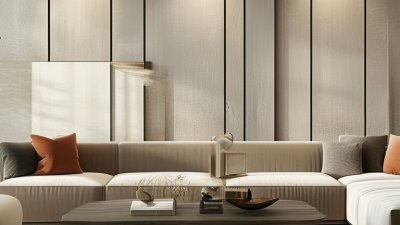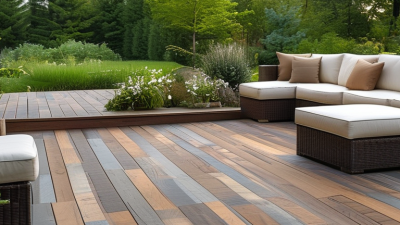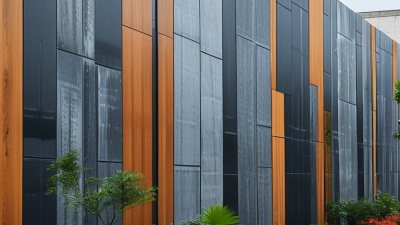
Choosing the best Fluted Wall panels for 2026 means looking beyond a stylish product photo. The right option should suit the room, installation method, and level of daily wear. A narrow groove can add quiet texture to a small entryway, while deeper ribs create stronger shadows across a broad living-room wall. The effect changes with daylight, paint color, and viewing distance.
Material matters. Wood veneer offers natural variation, while painted MDF can provide a more uniform finish; PVC may suit areas where occasional moisture is a concern, subject to the manufacturer’s specifications. Check panel dimensions, edge details, fire and moisture guidance, cleaning instructions, and whether the system is designed for DIY installation. Ask for samples when possible. See them beside your actual flooring and trim, not just on a bright screen. Details matter.
There is no universal winner. A premium panel may be poorly suited to a humid room, and an affordable one may require more careful finishing. Even a well-made design can feel too busy on every wall. That trade-off is easy to miss in product listings. This guide compares panel styles, materials, finishes, and practical considerations to help narrow the choices. It also points out questions worth asking before you buy, including how the panels handle corners, outlets, and uneven surfaces. Small details, big difference. The best choice is the one that looks considered and performs as promised in your specific space.
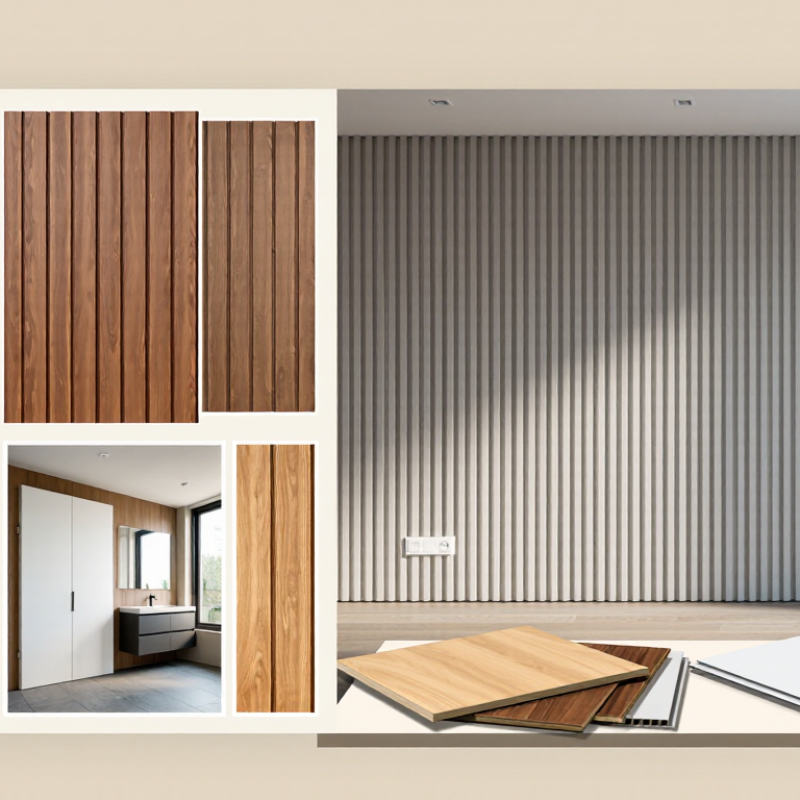
Fluted wall panels are wall coverings with repeated grooves or raised ribs, creating a steady pattern of light and shadow. They may be made from timber, painted composites, or other materials, and their finish changes the room’s character. Pale, narrow flutes can feel calm and airy; deeper profiles often look more dramatic. The surface is not just decoration. In a long hallway, vertical lines can draw the eye forward, while a panel behind a bed can give a plain wall more depth. Even a small change in daylight makes the grooves look different. Subtle, but noticeable.
Scale matters. Fine fluting can disappear across a large wall, while broad ribs may dominate a small room. Check a sample against the actual wall and view it in morning and evening light. For a natural finish, inspect the grain and color variation; for painted panels, look closely at the groove edges. Installation also affects the result: uneven spacing or visible seams can interrupt the rhythm. Some panels may soften sound slightly, but they should not be treated as full acoustic insulation. I would avoid covering every surface. The pattern can become tiring, and honestly, one feature wall is often enough. A restrained layout leaves the texture room to work.

For living rooms and bedrooms, painted MDF offers crisp grooves and a smooth finish at a moderate cost. Keep it away from persistent moisture unless the product is specifically rated for damp conditions. Solid wood brings natural variation and can be refinished, but costs more and may move with humidity. In bathrooms or laundry rooms, consider moisture-resistant polymer panels, checking installation and fire-rating requirements before buying. Small detail, big difference.
Budget depends on more than the panel price. The 2024 U.S. Houzz & Home Study reported a median renovation spend of $24,000 for projects completed in 2023. That figure covers whole-home renovations, not wall panels, but it shows why measuring carefully matters. Price the full assembly: panels, trim, adhesive, labor, and any wall preparation. A low-cost panel can become expensive if uneven walls need extensive correction.
For kitchens, choose a durable, wipeable finish; deep grooves can trap grease near cooking areas. In bedrooms or media rooms, timber-faced slats with acoustic backing may soften reflections, though they will not replace proper sound insulation. Also check emissions documentation. The U.S. Environmental Protection Agency’s TEAM studies found indoor concentrations of many common organic pollutants were often two to five times outdoor levels. That finding does not prove a particular panel is harmful; it is a reason to ask about adhesives and finishes. I’d still request a sample. Colors can shift under warm evening lights.
Fluted panels change a room through rhythm, shadow, and surface—not just decoration. Narrow flutes create fine vertical lines that can make a low wall feel taller. Wider grooves read bolder and suit larger rooms, where delicate detailing may disappear. Check samples in daylight and lamplight. Shadows shift.
A matte finish softens reflections and suits bedrooms or quiet hallways. Satin catches more light, but can emphasize uneven walls and dust in the grooves. Pale oak tones keep texture visible without dominating; deep green or charcoal turns a panel into a focal point. Houzz’s 2024 U.S. Houzz & Home Study found that 54% of homeowners renovated in 2023, with a median renovation spend of $24,000. That figure covers renovation spending, not fluted-panel preferences, but it supports careful planning: compare samples before committing to a full wall. I would not assume a dramatic profile always looks better. Sometimes the room needs less. Check how panels meet corners, baseboards, and outlets, too; small cuts can interrupt an otherwise clean pattern.
Comparing fluted wall panels for 2026 starts with the room, not the finish. Measure the wall, note nearby doors and outlets, and check whether panels can be trimmed cleanly. A sample beside your actual flooring often reveals more than a screen image. Look at groove depth and spacing in daylight; shallow flutes can disappear across a large wall.
Material affects weight, moisture tolerance, and upkeep. MDF-style panels may suit dry living areas, while bathrooms need products specifically rated for damp conditions. Read installation guidance carefully. Some panels require a flat, dry surface and adhesive; others use fixings. Check edge profiles, too. Small gaps matter. They show most at corners and around trim. Compare the stated panel dimensions with your wall measurements, including the extra material needed for cuts.
Think beyond appearance. Deep grooves collect dust, so consider how you will clean them. If sound control matters, verify tested acoustic performance rather than assuming texture reduces noise. Compare total project cost, including tools, finishing, and installation, not just the price per panel. I would also inspect a full-size sample if possible; a small swatch can hide uneven grooves or a finish that feels too glossy. There is no perfect panel for every room, and product descriptions do not always make comparisons easy.
Fluted wall panels look crisp only when the wall beneath them is sound. Check that the surface is flat, dry, and clean before fitting. Follow the panel maker’s instructions for adhesive, fasteners, and expansion gaps; heavy panels may need mechanical support. Allow wood-based panels to acclimate indoors. The USDA Forest Products Laboratory’s 2021 Wood Handbook reports equilibrium moisture content of about 6.2% at 70°F and 30% relative humidity, rising to about 9.2% at 50%. That change can contribute to movement, so stable room conditions matter. Small gaps matter.
Care depends on the core and finish. Dust grooves with a soft brush or vacuum attachment, then wipe with a barely damp cloth. Standing water and harsh cleaners can damage edges or coatings. In humid rooms, choose panels specifically rated for those conditions and seal exposed cuts as directed. Check joints after seasonal changes; a slight gap may signal movement, not poor workmanship. For composite-wood products sold in the United States, EPA TSCA Title VI limits formaldehyde emissions to 0.05 ppm for hardwood plywood, 0.09 ppm for particleboard, and 0.11 ppm for MDF. Confirm documentation for the exact panel type. I would still verify the room’s moisture exposure before choosing a finish; appearance alone is a poor durability test.
| Panel type | Best suited for | Installation considerations | Care and cleaning | Durability considerations |
|---|---|---|---|---|
| Painted or veneered MDF | Dry interior spaces such as living rooms, bedrooms, and hallways. | Use a flat, sound wall and follow the panel maker’s adhesive or fixing instructions. Cut edges may need sealing or finishing. | Dust with a soft cloth; wipe gently with a slightly damp cloth. Avoid soaking the surface. | Provides a smooth, consistent finish, but standard MDF can swell if water reaches the board. Not a good choice for persistently damp areas. |
| Moisture-resistant MDF | Interior rooms with occasional humidity, provided the product is specifically rated for the intended setting. | Check the product’s moisture rating and installation details. Seal exposed cuts where required; moisture-resistant does not mean waterproof. | Clean with a soft cloth and mild cleaner, following the finish-care instructions. Dry any spills promptly. | Typically handles humid conditions better than standard MDF, but prolonged wetting or water entering joints can still cause damage. |
| PVC | Utility areas and some moisture-prone interiors, where the specific product is approved for the location. | Allow for the product’s specified expansion clearances. Use compatible fixings and seal joints only as directed; check heat and fire-use limitations. | Usually easy to wipe clean with mild soap and water. Avoid abrasive pads and cleaners that may scratch or dull the surface. | Does not absorb water like wood-based boards, but can scratch, deform with excessive heat, or be affected by strong sunlight depending on formulation. |
| WPC (wood-plastic composite) | Interior feature walls and, where specifically rated, selected higher-humidity applications. | Panel composition and fixing systems vary. Follow the manufacturer’s guidance for spacing, ventilation, cutting, and attachment. | Generally needs only dusting or gentle wiping. Use cleaning products approved for the surface finish. | Often more moisture-tolerant than untreated wood-based panels, but performance varies; joints, coatings, and the backing wall still matter. |
| Solid wood | Interior feature walls where natural grain and the ability to refinish are priorities. | Acclimate as directed before fitting and allow for seasonal movement. Choose suitable fixings and finish cut edges where needed. | Dust regularly and clean with a slightly damp cloth. Maintain protective finishes according to the finish maker’s instructions. | Can be repaired or refinished, but wood expands and contracts with changes in humidity and may stain or warp if exposed to moisture. |
Selection tip: Check the panel’s technical data for room suitability, fire classification, emissions information, cleaning instructions, and fixing requirements. Actual performance depends on the product, finish, installation, and conditions on site.