What is Fluted Wall and How to Choose the Best Option?
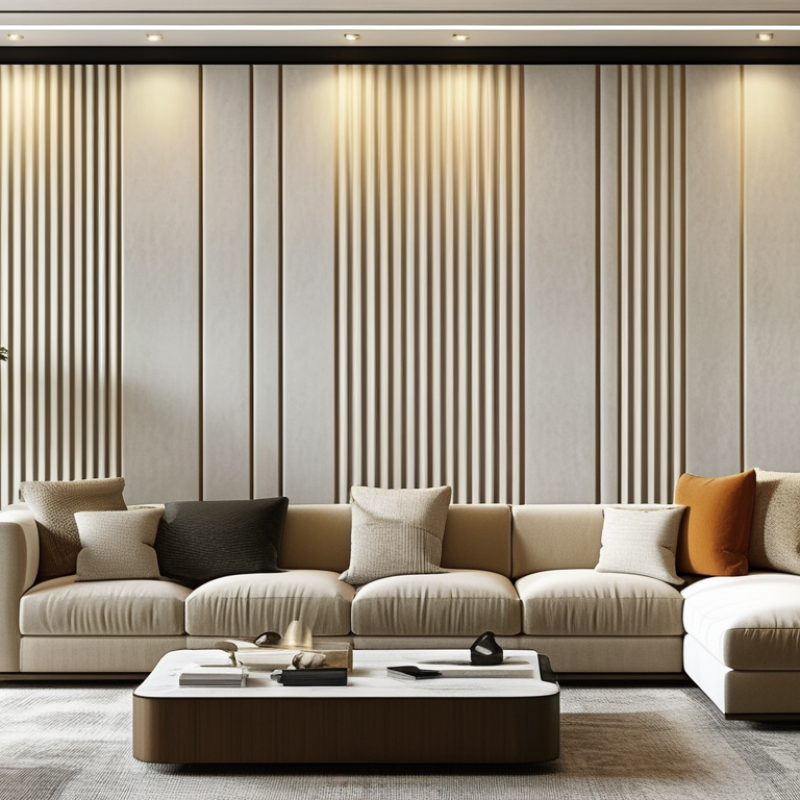
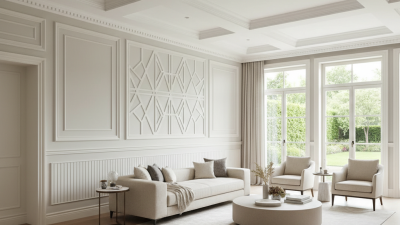
Fluted walls are gaining popularity in modern design. They add texture and character to any space. These walls feature vertical grooves that create a striking visual effect.
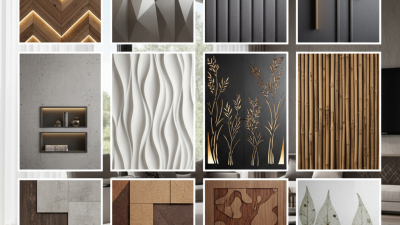
When choosing a fluted wall, consider your style and the room's purpose. Some may appreciate the elegance of deep grooves, while others prefer subtler options. The material also matters; wood, plaster, and even fiberglass can be used. Mixing and matching different textures may lead to an interesting outcome.
It's essential to evaluate how the fluted wall impacts the overall ambiance. Lighting plays a significant role here. Shadows enhance the grooves, creating depth. However, poorly placed lighting can lead to an undesirable look. Exploring these factors will help you choose the best option for your fluted wall.
Understanding Fluted Walls: Definition and History
Fluted walls have a rich history that traces back to ancient architecture. They were often used in Greek and Roman buildings, creating a sense of elegance. These textured surfaces add depth and personality to modern designs. The vertical grooves allow light to play with shadows, enhancing the visual appeal of any space.
Traditionally, fluted walls symbolize strength and stability. However, the modern interpretation has evolved. Today, they can be found in homes, restaurants, and public buildings. Each fluted wall tells a story, inviting observers to explore its layered texture. Designers appreciate the way fluted elements can make a space feel both timeless and contemporary.
Choosing the right fluted wall isn’t always straightforward. Factors such as material, depth, and context play crucial roles. Some fluted designs are subtle and understated. Others are bold and dramatic. Reflecting on personal taste is essential. Balancing aesthetics with function can be challenging but rewarding. Each decision shapes the final outcome and the atmosphere of the environment.
Key Benefits of Fluted Wall Design in Architecture
Fluted walls are not just a design choice; they bring significant benefits in architecture. The textured finish creates visual depth and interest. It can reflect light effectively, enhancing the ambiance of a space. According to a report from the American Institute of Architects, the use of fluted surfaces can improve acoustic properties, making spaces feel more intimate and inviting.
Choosing fluted wall design can add character to both modern and traditional settings. This style allows for creative expression. Many architects appreciate the blending of functionality and aesthetics. However, it may require more maintenance than flat surfaces. Fluted walls can trap dust and may need more frequent cleaning.
Tips: Consider the material used for fluted walls. Materials like wood and plaster can achieve different aesthetics and durability. Evaluate how the design interacts with light in your space. This can influence the overall feel of the room. Be mindful of colors and patterns; they should enhance the fluted design, not overwhelm it.
Fluted Wall Design Options and Benefits
| Design Option |
Material |
Key Benefits |
Aesthetic Style |
| Wood Fluted Walls |
Reclaimed Wood |
Warmth, Sustainability, Natural Texture |
Rustic, Cozy |
| Gypsum Fluting |
Gypsum Board |
Lightweight, Easy to Install, Smooth Finish |
Modern, Minimalist |
| Glass Fluted Panels |
Tempered Glass |
Transparency, Natural Light, Elegant |
Contemporary, Luxurious |
| Concrete Fluting |
Reinforced Concrete |
Durability, Industrial Look, Fire Resistance |
Industrial, Urban |
| Metal Fluted Walls |
Aluminum or Steel |
Weather Resistant, Versatile, Stylish Finishes |
Modern, Sleek |
Materials Commonly Used for Fluted Walls
Fluted walls have gained popularity for their unique aesthetic appeal. They can transform spaces, adding depth and texture. Common materials for fluted walls include wood, plaster, and PVC. Each material offers distinct benefits, contributing to the final design outcome.
Wood is favored for its warmth and versatility. It can be crafted into various styles, offering customization options. A report from the American Wood Council indicates that wood used in interior design projects is growing by 20% annually. This trend underscores wood's enduring popularity and reliability in creating stunning fluted designs.
Plaster provides a seamless look. It’s durable and easy to maintain, making it suitable for high-traffic areas. Studies show that plaster-finished walls can last for decades with proper care. PVC is a lightweight option. It’s often used in places needing moisture resistance, such as bathrooms and kitchens. While its aesthetic appeal might vary, the versatility of PVC cannot be overlooked.
However, it’s important to consider the environmental impact of materials chosen, questioning the longevity of synthetic options. Selecting the right material can yield beautiful results or lead to regrettable choices if not carefully considered.
Factors to Consider When Choosing Fluted Wall Options
When considering a fluted wall, several key factors come into play. One major aspect is the material. Options range from wood to plaster. Each has its own aesthetic and durability. Wood offers warmth, while plaster can provide a modern look. Assess how the material aligns with your interior design.
Another important consideration is the wall's finish. The texture and sheen can dramatically affect the final appearance. A matte finish may create a subtle look. In contrast, a glossy finish can make the fluting stand out more. Think about the ambience you want to create. Sometimes, an overly dramatic finish may clash with other decor.
Size and scale are also critical. Fluted walls can vary in depth and width. A deeper fluting can add more visual interest, but it may overwhelm smaller spaces. Balance is essential. Ensure the fluted wall complements other room elements. Lastly, always factor in installation costs and maintenance. Though fluted walls can be beautiful, the upkeep can be demanding. Reflect on your ability to maintain a flawless appearance.
Fluted Wall Options Analysis
This bar chart presents an analysis of the durability of various fluted wall materials. The data indicates the lifespan in years for each material type, helping you make informed choices based on durability considerations.
Installation and Maintenance Tips for Fluted Walls
Fluted walls offer unique aesthetics and practical benefits, but their installation requires careful planning. Professional assessments highlight that a well-installed fluted wall can enhance any space. However, improper installation can lead to gaps and misalignment. The industry suggests that up to 25% of fluted wall installations result in visible flaws due to lack of expertise. Accurate measurements and skilled labor are vital for a perfect finish.
Maintenance of fluted walls is equally crucial for longevity. Regular cleaning with non-abrasive materials is recommended. Dirt can accumulate in the grooves, compromising the visual appeal. Industry data show that neglected fluted surfaces can show signs of wear within a year. Annual inspections can identify issues early on. Some homeowners report unexpected costs when repairs become necessary due to inadequate maintenance.
Choosing the right materials also plays a significant role. Fluted walls can be made from various substrates, each with its benefits. Wood is warm and inviting but may warp over time. Metal offers durability, yet it can dent. As preferences shift, evaluating material longevity and maintenance needs is essential. Fluted wall installation allows creativity, but it comes with responsibilities. Balancing aesthetics with practical upkeep is key to a lasting investment in your space.