Best Fluted Wall Designs for Modern Interiors in 2026?
In the realm of modern interior design, Fluted Wall designs have swiftly become a prominent choice for 2026. Renowned interior designer Sarah Thompson highlights the trend: "Fluted Walls bring texture and elegance to any space." This statement encapsulates the rising popularity of this design element, captivating both homeowners and designers alike.
Fluted Walls not only add visual interest but also create a sense of depth. They break the monotony of flat surfaces. Imagine stepping into a room where the walls undulate softly, casting shadows and lighting uniquely throughout the day. However, achieving the right balance can be challenging. Some designs may overwhelm a space, while others might lack the desired effect.
As we explore the best Fluted Wall designs for modern interiors, it's essential to consider the harmony between texture and overall room aesthetics. The journey of incorporating Fluted Walls should be thoughtful. Each choice impacts the ambiance of your home. This design trend encourages creativity, yet requires careful planning to avoid pitfalls. Embrace the elegance, but remember to reflect on the functionality of your space.
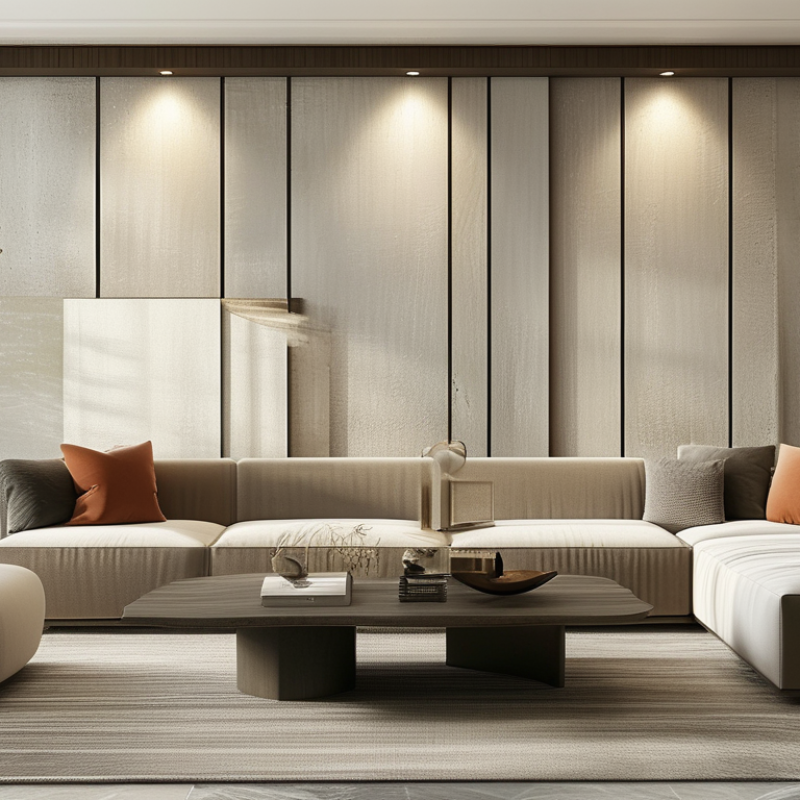
Best Fluted Wall Designs for Modern Interiors in 2026
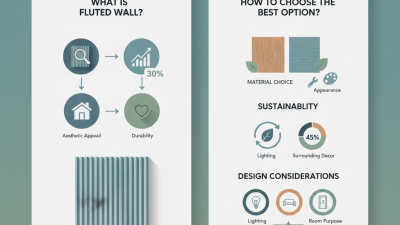
Fluted wall designs are becoming a popular choice in modern interiors. According to a recent industry report, nearly 45% of interior designers are incorporating these textures to create depth and interest. The visual appeal of fluted walls adds a contemporary touch to any space. These designs are not just about aesthetics; they also enhance acoustics, providing a calming atmosphere.
When considering fluted walls, think beyond traditional materials. Gypsum boards and wood are common, but more innovative options like plaster and metal are gaining traction. This diversity offers flexibility in design while catering to various budgets. Textured surfaces often work well in living rooms and entryways, transforming the feel of the space.
Achieving balance is essential. Too many patterns can overwhelm a room. Limit fluted designs to accent walls for a more refined look. Experiment with paint colors; muted tones can highlight the texture without being overpowering. Stay informed on trends to ensure your design remains timeless and appealing.
Understanding the Aesthetic Appeal of Fluted Wall Designs
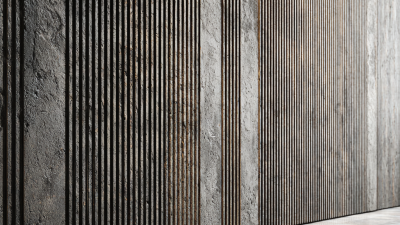
Fluted wall designs are gaining popularity in modern interiors. These vertical grooves add texture and depth. They create a sense of movement in rooms, appealing to those seeking a unique aesthetic. The lines draw the eye, breaking the monotony of flat surfaces. This can be particularly stunning in spaces flooded with natural light.
Incorporating fluted designs can be challenging. Not all settings suit bold textures. Careful consideration is needed when selecting colors and materials. The wrong choice might overwhelm a small room or clash with existing decor. Experimenting is essential to find the right balance.
These designs bridge classic and contemporary styles. They resonate with an appreciation for craftsmanship. Yet, some may find them overly trendy or distracting. It’s crucial to reflect on personal taste and the overall vibe of the space. Ultimately, fluted walls can be a bold statement that enhances any interior, if applied thoughtfully.
Materials and Techniques for Creating Fluted Wall Finishes
Fluted wall designs have gained immense popularity in modern interiors for their unique texture and visual appeal. The material choice greatly impacts the final look. Wood, plaster, or even MDF are common selections. Each material offers distinct advantages and challenges.
Creating fluted wall finishes requires an understanding of both technique and design. For wood, consider using tongue-and-groove planks for easy installation. With plaster, a skilled hand is needed for even application. Experimenting with color can enhance the texture, making it a focal point. Various profiles can result in different atmospheres.
Stick to a consistent spacing to maintain a seamless look. Ensure your walls are prepped properly to avoid imperfections. If you're new to this technique, start small. Create a feature wall in a less visible area. Over time, you'll refine your skills and develop your style. Be prepared for setbacks and learn from each attempt.
Best Fluted Wall Designs for Modern Interiors in 2026
| Design Style |
Material |
Color Palette |
Installation Technique |
Texture Finish |
| Contemporary |
Gypsum Board |
Soft Neutrals |
Direct Attachment |
Smooth Matte |
| Minimalist |
Wood Panels |
Earthy Tones |
Floating Installation |
Natural Grain |
| Industrial |
Concrete |
Dark Grays |
Cast-in-Place |
Rough Textured |
| Art Deco |
Marble |
Gold and Cream |
Paneling |
Polished |
| Sustainable |
Recycled Materials |
Soft Greens |
Eco-Friendly Adhesive |
Textured |
Incorporating Fluted Walls into Various Room Styles
Fluted walls are becoming a standout feature in modern interiors. These textured surfaces add depth and visual intrigue to any space. From living rooms to dining areas, fluted designs can transform a bland wall into an artistic focal point, enhancing both style and sophistication.
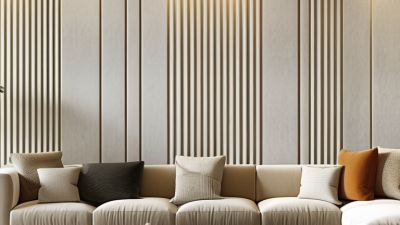
Incorporating fluted walls into various room styles requires thoughtful consideration. In minimalistic settings, light colors can keep the space airy. Choose soft beige or pastel hues to maintain simplicity while adding texture. In more eclectic interiors, bold colors like deep green or navy can create striking contrasts and serve as a conversation starter. Be mindful, though; overwhelming patterns may clash with surrounding decor.
When choosing the right room for fluted walls, think about light. Natural light enhances texture, making fluted surfaces visually appealing. Areas with limited sunlight may benefit from lighter tones to keep the room feeling spacious. It’s also important to reflect on the purpose of the space. In a cozy reading nook, soft, warm flutes can create an inviting atmosphere. Yet, in a professional setting, more structured patterns might better suit the environment. Balancing aesthetics with functionality is crucial for the best results.
Trends in Color and Texture for Fluted Wall Designs in 2026
Fluted wall designs are gaining traction in modern interiors for 2026. Their unique combination of texture and depth creates a captivating visual experience. Homeowners seek to incorporate these elements into various rooms. While traditional materials like wood remain popular, innovative composites are emerging. These new materials offer unique finishes, enhancing sustainability efforts.
Color preferences are shifting as well. Soft pastels are in vogue, providing a calming atmosphere. Bold, deep hues also capture attention, fostering an adventurous spirit. Consider pairing pastel fluted walls with vivid furnishings for an energetic appeal. The texture of the flutes adds dimension, making colors appear richer.
However, striking a balance is essential. Combining too many bold colors can overwhelm a space. The interplay between color and texture should be thoughtfully curated. Imperfect finishes can introduce authenticity, enabling a personal touch. Reflecting on how these designs affect mood is important. The right fluted wall can transform a room, but homeowners should be mindful of creating harmony.