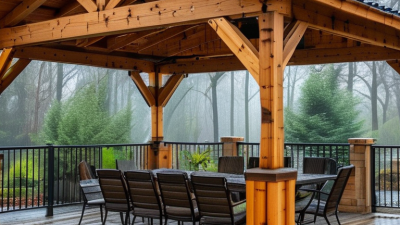
How to Choose the Best Waterproof Wood for Outdoor Use?
Choosing the right waterproof wood for outdoor projects can be challenging. With the growing demand for durable outdoor materials, industry reports show that waterproof wood can increase the lifespan of structures significantly. According to a recent study by the Timber Research Institute, properly treated waterproof wood can last up to 30 years or more when exposed to harsh weather conditions.
Expert Andrew Wallace, a renowned specialist in wood technology, emphasizes the importance of quality. He states, "Selecting the right waterproof wood is crucial for ensuring longevity in outdoor applications." His insight highlights that not all wood types are equal. For example, certain species like teak and mahogany offer natural resistance, while others require extensive treatment.
When considering waterproof wood, it's essential to think beyond aesthetics. Factors such as wood grain, treatment processes, and susceptibility to rot play a crucial role. Some options may not perform well over time, leading to flaws in structural integrity. Ultimately, the decision should be informed by both technical knowledge and practical experience in the field.
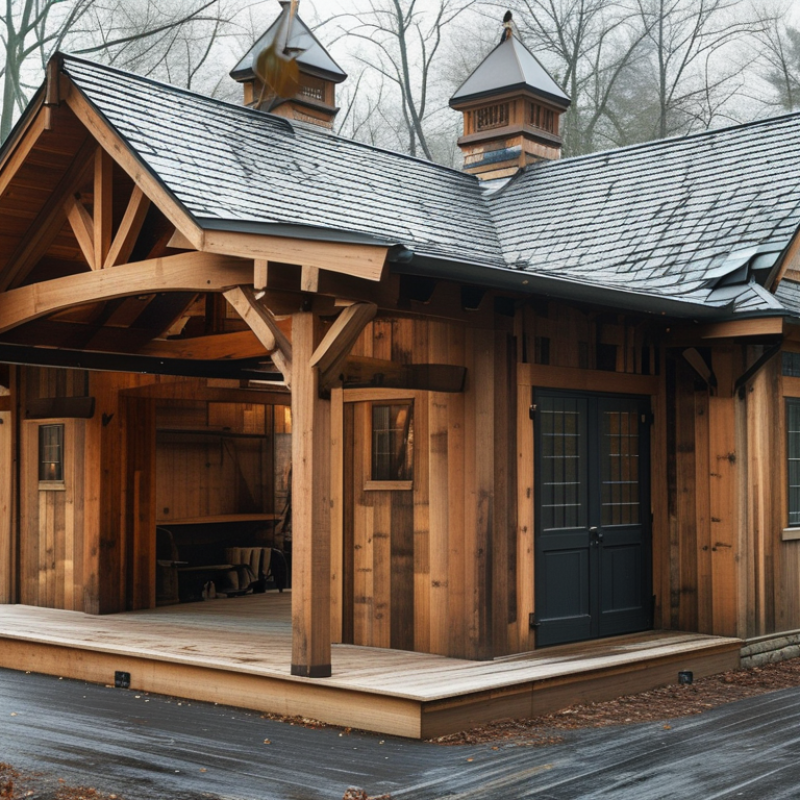
Understanding the Importance of Choosing Waterproof Wood for Outdoors
Choosing waterproof wood for outdoor use is crucial for durability and longevity. Wood exposed to moisture can warp, crack, or decay over time. According to the American Wood Council, untreated wood can see a significant reduction in lifespan when consistently subjected to wet conditions, sometimes lasting less than five years. This highlights the importance of selecting properly treated or naturally durable wood species for outdoor projects.
The key lies in understanding wood's natural properties. Some species, like cedar and redwood, contain oils that resist moisture. These woods often outperform common choices like pine, which can degrade rapidly without treatment. The Wood Database states that untreated pine may last only three to seven years outdoors, while naturally resistant species can endure for decades. This difference underscores the importance of making informed decisions.
Moreover, environmental conditions matter. Areas with high humidity or frequent rain require more resistant wood options. Regular maintenance also plays a vital role in maintaining structural integrity. While protective finishes can extend the life of even less durable woods, they require ongoing care. This balancing act of initial choice and continued upkeep is fundamental for achieving the best results in outdoor wood projects.
Key Characteristics of Waterproof Wood: What to Look For
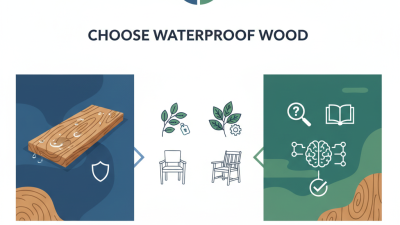
When selecting waterproof wood for outdoor projects, certain key characteristics are essential. First, consider the wood’s natural resilience to moisture. Species like cedar and redwood have oils that help repel water. This ability can prolong the wood's lifespan, especially in wet climates. However, it's important to analyze the specific moisture levels your chosen wood can withstand. Not all varieties provide the same level of protection.
Another factor is the wood’s treatment. Pressure-treated wood undergoes a process that enhances its durability against water damage. Look for types that include a protective sealant to further improve resistance. It’s crucial to check how often the treatment needs reapplication. Regular maintenance can prevent long-term degradation.
Lastly, evaluate the wood grain. A tight, dense grain often signifies better waterproof properties. On the other hand, wider grains may absorb more water, leading to potential problems. While aesthetic preferences matter, practicality should guide your choice. The balance between beauty and functionality will influence your outdoor projects. Reflecting on these aspects ensures a thoughtful selection process, even if it takes more time than anticipated.
How to Choose the Best Waterproof Wood for Outdoor Use?
Understanding the key characteristics of waterproof wood can help you make the best choice for outdoor projects. The following chart illustrates the percentage of different types of wood based on their natural resistance to moisture and environmental factors.
Top Types of Waterproof Wood: A Comparative Study of Options
When choosing waterproof wood for outdoor use, familiarity with various types is essential. Cedar and redwood are popular choices. Their natural oils repel moisture effectively, making them suitable for decks and furniture. Teak is another strong contender; it is dense and highly resistant to water. Its rich color and durability enhance the appeal of outdoor projects.
However, these woods can be costly and may require periodic maintenance. It's critical to weigh these factors based on your budget and project needs. Composite woods also offer good waterproofing, combining wood fibers with plastic. They are lower maintenance but can lack the natural aesthetic of traditional woods.
Some may overlook treated lumber, which extends the lifespan of wood. Treatment chemicals increase resistance to decay and moisture. Yet, this option may raise concerns regarding environmental impact. Exploring different woods and understanding their properties can lead to better choices for outdoor wooden structures.
Evaluating Treatment Methods for Enhanced Wood Durability
When evaluating treatment methods for enhanced wood durability, several options are available. Pressure treatment is a popular choice. This process involves forcing preservatives into the wood. It helps protect against rot and insects. However, not all treatments are equal. Some may be more effective for certain climates or exposure conditions.
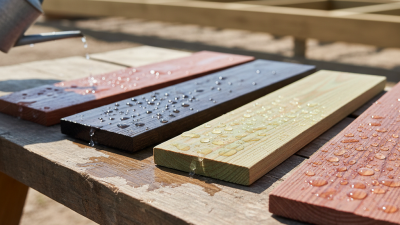
Understanding the different treatment methods can help inform your choice. Water-repellent coatings are often used for surfaces that are prone to moisture. They create a barrier on the wood, keeping water out. However, they need to be reapplied regularly to maintain effectiveness. Alternatively, treatments with natural oils penetrate the wood. They hydrate the fibers and reduce swelling, but they might not provide the same level of protection as synthetic options.
Consider these points when selecting a treatment method. It's important to test a small section first. This approach allows you to evaluate the appearance and performance. Check the compatibility of the wood species with the chosen treatment. Not all wood types respond well to all treatments. This awareness can prevent unexpected results.
Environmental Considerations: Sustainability in Choosing Outdoor Wood
When selecting wood for outdoor use, sustainability should be a primary concern. Many people overlook the environmental impact of their choices. Not all wood is created equal. It’s essential to look for wood sourced from responsibly managed forests. This ensures that ecosystems remain intact. By choosing certified wood, you can support sustainable practices. This also helps in reducing deforestation pressures.
Additionally, consider the lifespan of the wood. Some species are more durable than others. Choosing a long-lasting wood can mitigate waste. However, it’s important to question the sources. Often, the cheapest options may exploit forests without proper care. Reflecting on your choices can lead to better environmental stewardship. Every selection matters, from aesthetics to ecological impact. Embrace the challenge of finding wood that aligns with both style and sustainability.