Best Waterproof Wood Options for Your Outdoor Projects?
When it comes to outdoor projects, choosing the right materials is crucial. Waterproof wood has gained attention for its durability and resistance to elements. According to a recent industry report by the American Wood Council, up to 80% of wood structures fail due to exposure to moisture. This illustrates the importance of selecting wood that can withstand the harsh outdoor environment.
Waterproof wood options are not just about aesthetics; they offer long-term performance. Treatments like pressure-treating and special sealants enhance wood’s natural resistance to water. These advancements can extend the lifespan of outdoor structures by several years. However, understanding the right type of waterproof wood for specific projects remains a challenge. Many options exist, yet not all are suitable for every situation.
In the quest for the ideal waterproof wood, it is important to weigh benefits against potential drawbacks. Some treatments may alter the wood's appearance, while others could affect its workability. Homeowners and builders should research thoroughly, considering both performance and practical implications. Making informed choices leads to successful outdoor projects and lasting satisfaction.
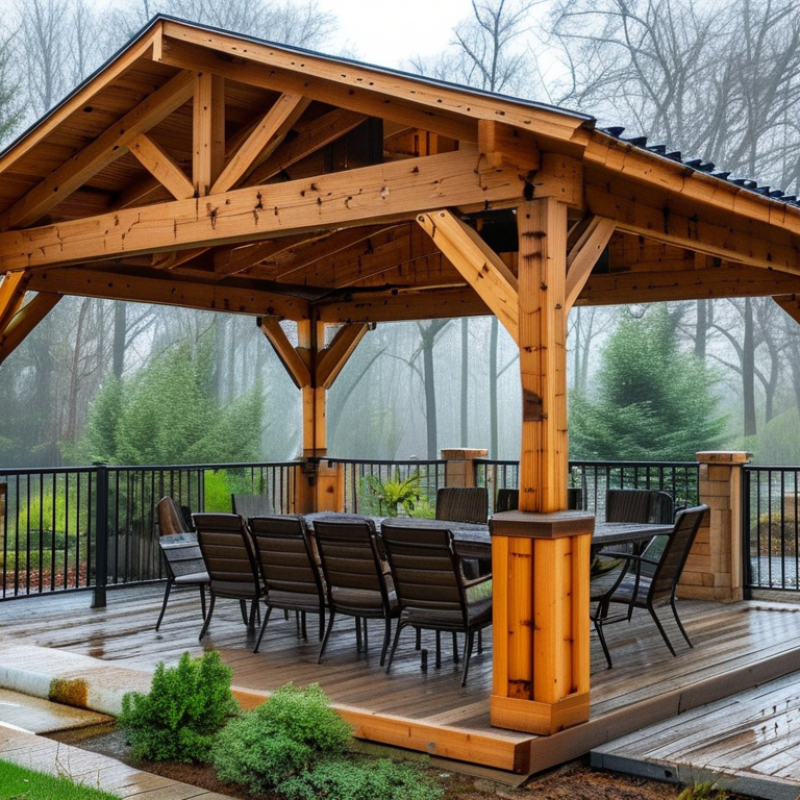
Types of Waterproof Wood Suitable for Outdoor Use
When it comes to outdoor projects, choosing the right wood is crucial. Some types of wood naturally resist water better than others. These woods can provide longevity and durability, essential for gardens, decks, and furniture.
Cedar is a popular choice. It has a natural oil that repels moisture. This wood is lightweight and easy to work with. However, it may require regular maintenance to preserve its appearance. Redwood is another excellent option. Its density provides strength and water resistance. Yet, it can be more expensive and limited in availability.
Teak is renowned for outdoor use, too. This wood is incredibly dense and durable. It withstands harsh weather conditions effectively. On the downside, it can be difficult to find. This can limit options for some projects. Each of these woods has pros and cons. Consider your specific needs before making a choice.
Benefits of Using Waterproof Wood for Outdoor Projects
Using waterproof wood for outdoor projects is essential for durability and longevity. Studies indicate that untreated wood can degrade in just a few years when exposed to moisture. Research from the Forest Products Laboratory shows that treated wood can last significantly longer. This longevity makes waterproof wood an excellent investment for decks, furniture, and various outdoor structures.
Choosing waterproof wood reduces maintenance costs over time. With traditional wood, the need for constant sealing and repair can add up. A report from the U.S. Department of Agriculture highlights that using waterproof options can cut maintenance frequency by up to 50%. This substantial reduction frees up time and resources for other important tasks.
When selecting waterproof wood, consider these tips: opt for naturally resistant species, like cedar or redwood. Investing in proper treatments can bolster wood's resistance to rot. Remember, even the best materials can fail if not maintained properly. Regular inspections for signs of wear are crucial. Proper sealing can enhance the wood’s protective qualities. Select an environmentally friendly sealant to ensure a sustainable choice. Evaluating these factors leads to more successful outdoor projects.
Factors to Consider When Choosing Waterproof Wood
When selecting wood for outdoor projects, several factors should guide your choices.
Durability is paramount, especially when exposed to moisture.
Species like cedar and redwood naturally resist water and decay.
Both types contain oils that protect them from rot. However, not all wood behaves the same way.
Even treated wood can warp or crack over time if not properly maintained.
Consider the wood's grain and texture. A tight grain often indicates better water resistance.
Additionally, pay attention to the finish. A waterproof sealant can extend wood's lifespan significantly.
Remember that regular maintenance is crucial.
Without it, even the best waterproof wood might not perform well in harsh conditions.
Tips:
Always check for wood certifications.
Forest Stewardship Council (FSC) certifications can indicate sustainable sourcing.
Don't rush your selection process. Take time to research different types of wood and their properties.
Lastly, be ready to adjust your plans. Sometimes, the best choice isn't the most obvious one.
Reflect on your project's specific needs; they can reveal unexpected options.
Maintenance Tips for Extending the Life of Waterproof Wood
When working with waterproof wood for outdoor projects, maintenance is key. The right care can significantly extend the lifespan of your wooden structures. Regular inspections are vital. Look for signs of wear, such as splintering or discoloration. Early detection can prevent more extensive damage later.
Cleaning your wood is equally important. Use mild soap and water to remove dirt and grime. A soft brush can help. Avoid harsh chemicals, as they can compromise the wood's integrity. After cleaning, consider applying a sealant every few years. This adds a layer of protection against moisture and UV rays.
Even with proper care, fading can occur. It’s natural for outdoor wood to weather over time. Don’t be discouraged by this; it gives character. You might need to sand and refinish the wood to restore its original look. Keeping up with these tasks requires commitment. But the rewards—a beautiful, long-lasting outdoor space—are worth the effort.
Best Waterproof Wood Options for Your Outdoor Projects
This bar chart illustrates the water resistance ratings of various types of wood suitable for outdoor projects. Teak stands out as the most waterproof wood option, making it an excellent choice for outdoor applications.
Comparing Cost and Performance of Different Waterproof Woods
When considering waterproof wood options for outdoor projects, cost and performance are crucial factors. Wood species vary in their natural resistance to moisture. Some types, like teak and redwood, offer excellent durability. However, their prices can be high. More affordable choices, like cedar, may not last as long but can perform adequately in less demanding environments.
Understanding the trade-offs is essential. While certain woods have superior waterproof properties, they can strain your budget. It's important to evaluate long-term value versus initial cost. Pressure-treated wood is often cheaper, but its longevity may be less than premium options. Always consider the environment where the wood will be used. A beautiful deck made of inexpensive wood may need replacing sooner than expected.
Maintenance also plays a role in performance. Regular sealing can extend the life of most woods significantly. The weather conditions in your area can impact how often this is needed. Some woods, while not the most cost-effective, may demand less upkeep. Balancing cost, durability, and maintenance needs is key to selecting the right material for your project.
Best Waterproof Wood Options for Your Outdoor Projects
| Wood Type |
Cost per Square Foot |
Water Resistance Rating |
Durability (Years) |
Maintenance Level |
| Teak |
$10 - $15 |
High |
50+ |
Low |
| Cedar |
$5 - $10 |
Moderate |
15 - 30 |
Medium |
| Ipe |
$15 - $25 |
Very High |
75+ |
Low |
| Redwood |
$7 - $12 |
High |
25 - 30 |
Medium |
| Thermally Modified Wood |
$6 - $12 |
High |
20 - 30 |
Low |