Best WPC Deck Boards for Global Buyers How to Choose?
When considering the best WPC deck boards for global buyers, it’s important to rely on expert insights. According to a report by the National Association of Home Builders, WPC (Wood Plastic Composite) decking has seen a significant increase in popularity, with a projected growth rate of 9.3% through 2027. An esteemed expert in the field, Dr. Emily Carter, emphasizes, “Quality WPC deck boards blend durability and aesthetics, making them a preferred choice for homeowners.”
Choosing WPC deck boards can be complex. Factors such as environmental conditions, intended use, and budget play critical roles. High-quality options resist fading, scratching, and mold, which are common concerns in outdoor settings. Yet, many buyers overlook the importance of proper maintenance. It’s essential to understand that even the best products require attention.
While affordability is tempting, cheaper WPC options can lead to increased replacement costs in the long run. Reflecting on important aspects before purchasing is crucial. Aim for balanced decisions, focusing not just on price, but on long-term value and performance. The right WPC deck boards can indeed elevate outdoor spaces while ensuring longevity and satisfaction.
Understanding WPC Deck Boards: Composition and Benefits
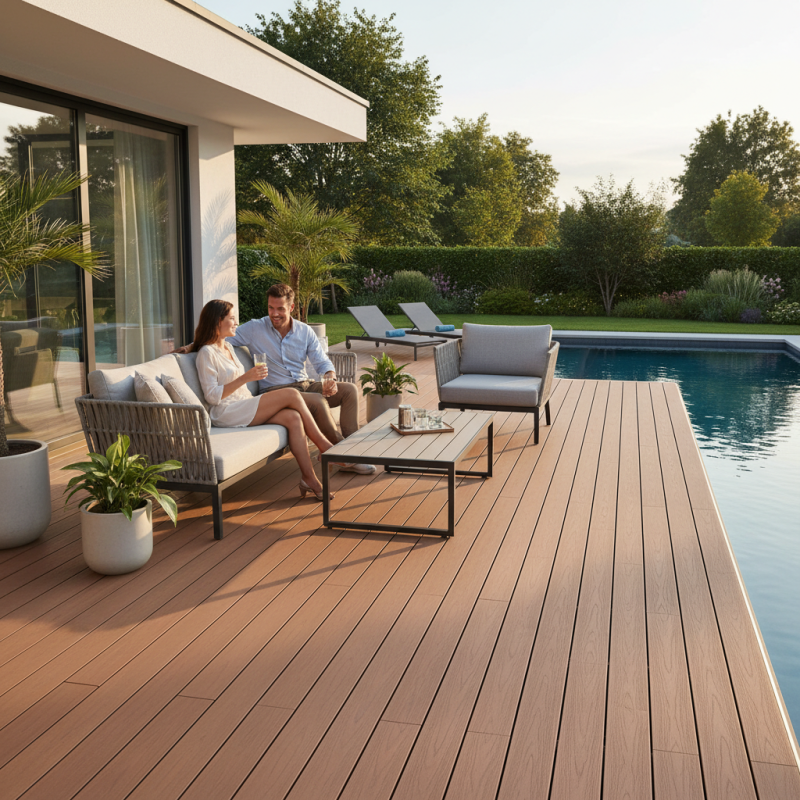
WPC, or Wood-Plastic Composites, are gaining popularity for decking projects worldwide. These materials combine wood fibers with recycled plastics. This unique composition results in durability and aesthetic appeal. According to industry reports, WPC decking can last over 25 years with minimal maintenance. This longevity makes it an excellent investment for homeowners.
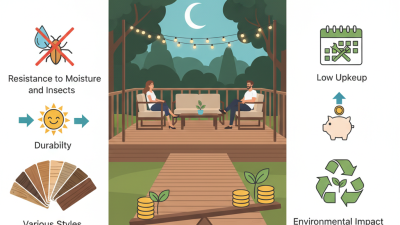
One key benefit of WPC boards is their resistance to moisture and insects. Traditional wood can warp or rot, whereas WPC maintains its structural integrity. This characteristic is particularly valuable in humid climates, where wood may struggle. Additionally, WPC decks do not require regular staining or sealing, saving both time and money. However, it's important to recognize that not all WPC products are created equal. Some may contain higher plastic content, affecting performance and appearance.
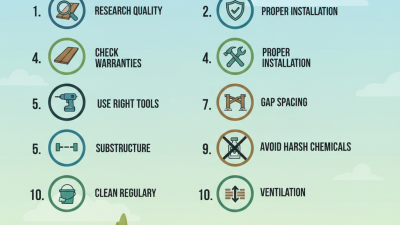
When choosing WPC decking, consider the following tips: Look for materials certified for environmental sustainability. Check for warranties, which can provide long-term peace of mind. Finally, sample different textures and colors to ensure they fit your design vision. Remember, investing in quality can prevent future disappointments. Be mindful of the composition labels; they often reveal essential information about durability and potential issues. Taking these factors into account can significantly enhance your decking experience.
Key Factors to Consider When Choosing WPC Deck Boards
When selecting WPC deck boards, several key factors should guide your decision. Consider the material composition first. WPC, or Wood Plastic Composite, combines wood fibers and plastic materials. This blend influences durability and maintenance. A well-constructed board resists fading and warping while providing a natural wood look.
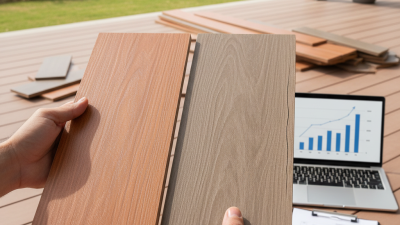
Next, think about the required aesthetic. Colors and textures vary widely, catering to diverse design preferences. Choose shades that complement your outdoor space. You may want to sample different colors before making a commitment. This is crucial for achieving a cohesive look in your environment.
**Tips:** When assessing quality, check for warranty details. A longer warranty often indicates reliability. Pay attention to the slip resistance of the boards, especially for wet areas. Lastly, keep in mind that your initial budget might impact your choices. However, investing a bit more can lead to better performance and longevity.
Comparing Leading WPC Deck Board Brands for Quality and Price
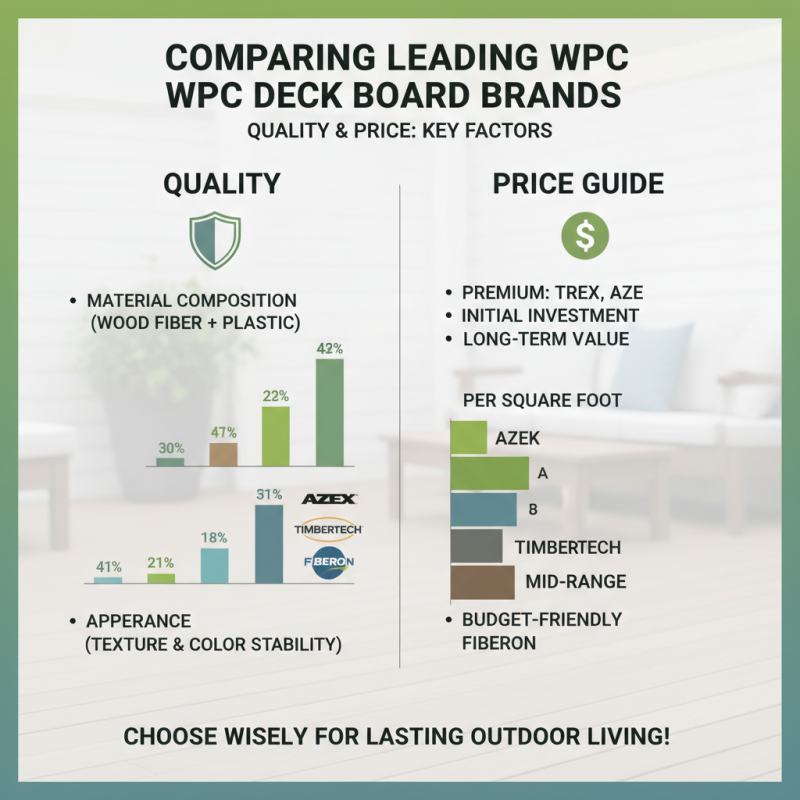
When choosing WPC deck boards, quality and price are key factors. Many brands offer a range of products. It can be challenging to compare them effectively. Pay attention to the material composition. WPC, or wood-plastic composite, combines wood fiber and plastic. This mixture affects durability and appearance.
Don't forget to consider the warranty and customer support. Some brands provide longer warranties, which can be a sign of reliability. Ask about feedback from previous buyers. Real experiences can guide your decision. Look for options that withstand weather variations.
Tips for selection: check the texture and color options. A variety of finishes may enhance your outdoor space. Consider installation requirements. Some boards may need professional help, adding to the overall cost. Look for products that balance price and performance effectively. This can prevent overspending while ensuring longevity. Always remember, not every high-priced board is the best choice. Test the weight and feel; it tells you much about the product's quality.
Sustainability and Environmental Impact of WPC Decking Options
WPC decking, made from wood and plastic composites, is becoming popular due to its sustainability. Many consumers are seeking eco-friendly building materials. WPC boards typically consist of recycled wood fibers and plastics. This combination reduces waste and lessens the need for virgin materials.
The environmental impact of WPC decking options can be significant. When produced responsibly, WPC can offer a greener choice compared to traditional timber. Trees take years to grow, while recycled materials can be sourced and processed more quickly. Using WPC can help lower the carbon footprint of building projects.
However, not all WPC products are equal in sustainability. Factors such as production processes, transportation, and recycling options must be considered. Buyers should research suppliers to ensure their materials are sourced ethically. It's essential to look for transparency in the supply chain. This awareness can help make better choices for both personal projects and the environment.
Installation and Maintenance Tips for Long-Lasting WPC Decking
When considering WPC deck boards, installation and maintenance are crucial for longevity. The first step is choosing a suitable foundation. A solid, level substructure minimizes movement over time. According to industry reports, decks with proper installation can last over 25 years with minimal maintenance. Regularly checking for area drainage can prevent premature damage.
Cleaning your deck is equally important. Use a gentle cleaner and a soft brush to remove dirt and debris. Avoid harsh chemicals, as they can harm WPC material. Interestingly, about 30% of homeowners neglect this step, leading to discoloration and structural issues. Simple annual maintenance can enhance your deck's appearance and lifespan.
Inspecting for loose boards or fasteners is vital. Research shows that 15% of deck failures occur from overlooked repairs. Keeping an eye on the screws and connections helps maintain stability. Consider applying a UV protectant every few years. It helps reduce fading, especially in direct sunlight. An informed approach to maintenance ensures your WPC deck remains both functional and beautiful.
Best WPC Deck Boards for Global Buyers How to Choose? - Installation and Maintenance Tips for Long-Lasting WPC Decking
| Property |
WPC Deck Board Type |
Durability (Years) |
Cost per Square Foot |
Maintenance Level |
| Aesthetic Appeal |
Wood-Look WPC |
15-25 |
$2.50 - $5.00 |
Low |
| Slip Resistance |
Textured WPC |
20-30 |
$3.00 - $6.00 |
Medium |
| Eco-Friendly |
Recycled WPC |
25-40 |
$2.00 - $4.50 |
Low |
| Color Variability |
Solid Color WPC |
15-20 |
$2.50 - $5.50 |
High |