What is WPC Flooring and How Does it Benefit Your Home?
WPC flooring, or wood plastic composite flooring, combines natural wood and plastic fibers. This innovative product has gained popularity due to its durability and versatility. According to MarketWatch, the WPC flooring industry is projected to grow significantly, reaching a market value of over $3 billion by 2026.
Homeowners increasingly favor flooring WPC for its unique benefits. It resists moisture, making it suitable for kitchens and bathrooms. Unlike traditional hardwood, WPC flooring does not warp or crack easily. The aesthetic appeal is also notable, with designs mimicking natural wood. However, some potential buyers struggle with the variety of options available. Choosing the right finish and color can be overwhelming.
Additionally, while WPC flooring boasts high resistance to stains and scratches, it is essential to recognize its limitations. Proper maintenance is crucial. Without it, the material can lose its charm over time. Despite its advantages, homeowners should weigh both benefits and drawbacks before making a decision.
What is WPC Flooring?
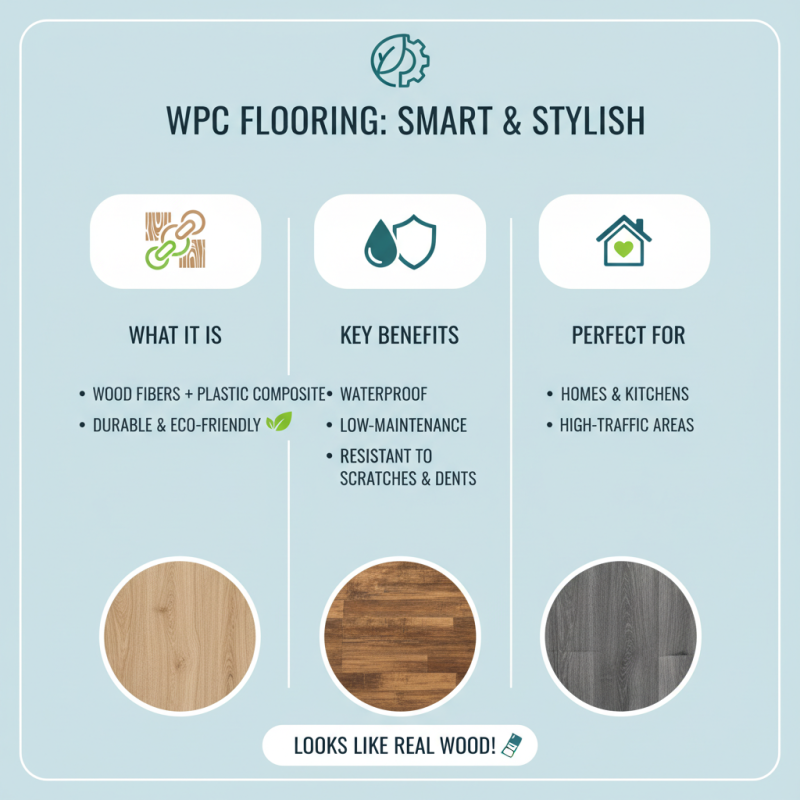
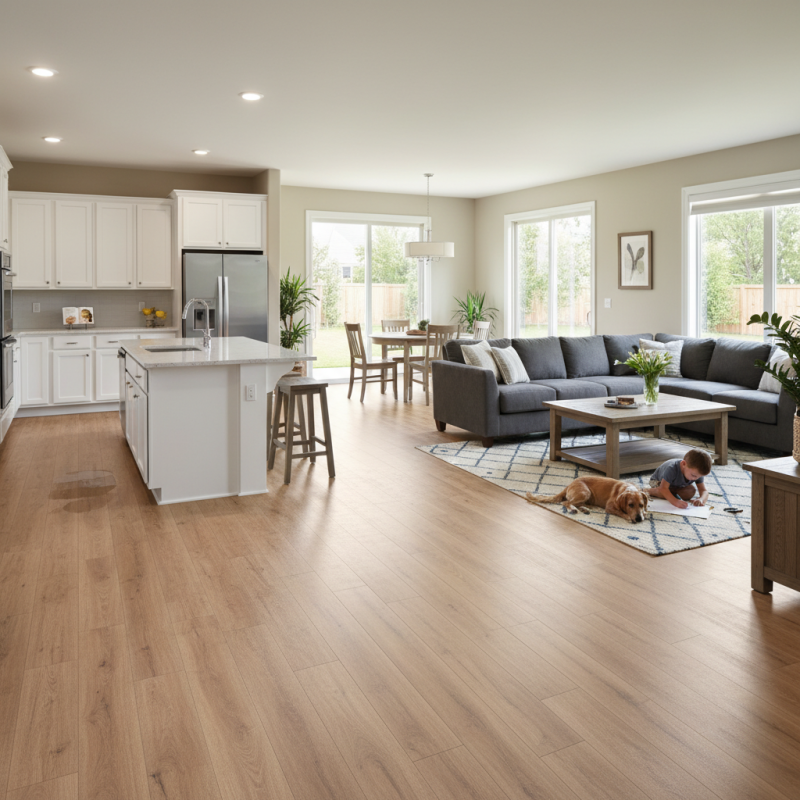
WPC flooring stands for Wood Plastic Composite flooring. It combines wood fibers and plastic materials. This innovative flooring solution is gaining popularity in homes. WPC flooring often mimics the look of natural wood. It offers warmth and style without the maintenance concerns.
One of the key benefits of WPC flooring is its water resistance. This makes it ideal for kitchens and bathrooms. You won’t have to worry about spills damaging the floor. Moreover, its durability is impressive. It withstands heavy foot traffic well. However, it’s essential to choose a quality product to reap these benefits fully.
Installation of WPC flooring can vary. Some homeowners prefer to do it themselves, but professional help is often recommended. It can be a learning experience. Mistakes can happen if you’re not careful. Adequate preparation is needed to ensure a lasting installation. While WPC flooring promises many advantages, it’s crucial to consider personal needs and preferences.
The Composition and Structure of WPC Flooring
WPC flooring, or Wood Plastic Composite flooring, is a blend of wood fibers and plastic. This unique combination creates a durable and versatile flooring option. The structure typically consists of a core layer of high-density foam, surrounded by a protective outer layer. It resembles hardwood, which appeals to many homeowners.
In terms of composition, WPC flooring is designed to be water-resistant and resistant to wear. The wood fibers provide a natural look, while the plastic components enhance durability.
However, not all products of this type are equal. Some may not have the best UV protection, leading to fading over time. This can be a downside for areas with plenty of sunlight.
Moreover, the installation of WPC flooring can be straightforward, but it still requires careful planning. It is essential to prepare the subfloor adequately to avoid issues later. While some homeowners find it an easy task, others might face challenges. A diligent approach can help ensure a lasting result.
Key Benefits of WPC Flooring for Your Home
WPC flooring, or Wood Plastic Composite flooring, offers numerous advantages for homeowners. Its unique composition combines the warmth of wood with the durability of plastic. This means it can withstand moisture and high traffic. Ideal for kitchens and bathrooms, WPC flooring remains resilient against spills and humidity. Many enjoy its easy installation process, allowing homeowners to transform spaces quickly.
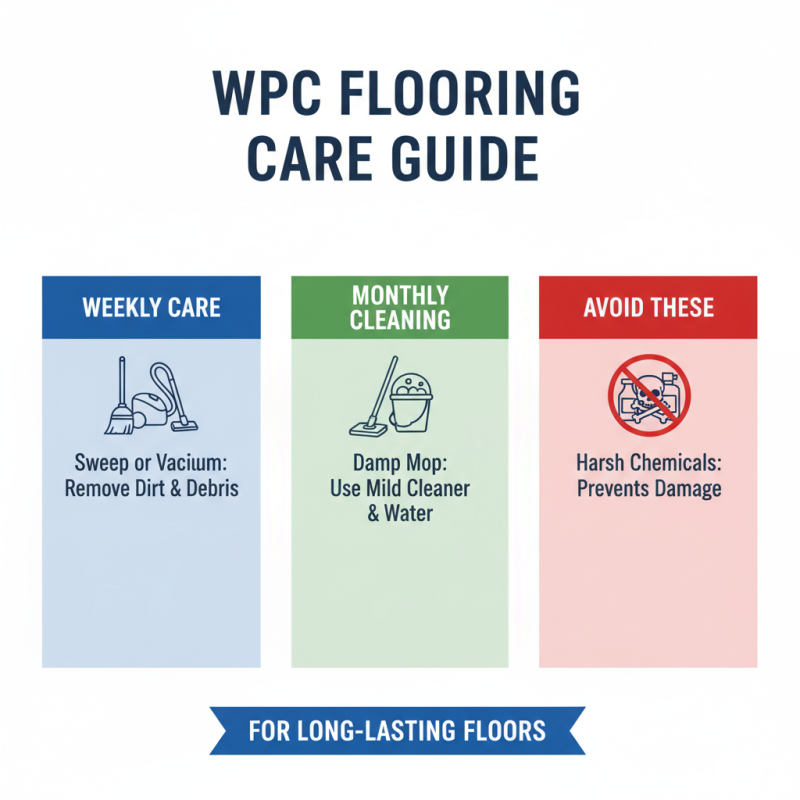
One of the standout benefits is its sound insulation. WPC flooring absorbs sound, making it quieter than traditional flooring options. Families with pets or small children can appreciate the reduction in noise. Additionally, this type of flooring is available in various styles and colors. However, it's worth noting that some may find the appearance less authentic than real wood. The convenience of maintenance is another plus. A simple sweep or mop keeps it looking fresh. Yet, over time, it may scratch or scuff, requiring some attention. Balancing these aspects can help homeowners make an informed choice.
Installation Process of WPC Flooring
Installing WPC flooring can be a rewarding project for your home. The process starts with measuring your space accurately. Gather all necessary tools such as a saw, measuring tape, and spacers. Make sure the subfloor is clean and dry. Any debris can ruin the finish.
One key tip is to let WPC planks acclimate. This helps prevent expansion or contraction after installation. Leave them in the room for at least 48 hours. During this time, unpack them and lay them flat. It's essential to inspect each plank for defects. Some may have slight imperfections that you need to manage.
When laying down the planks, start from a corner and work your way across. Use spacers around the edges to maintain a gap for expansion. Be mindful of your cuts; you may need to adjust your method. Remember, a miscalculation can lead to wasted materials. Finally, consider using an underlayment for added comfort and soundproofing. This simple step can enhance the overall experience of your new flooring.