What is Wpc Deck Boards and How Do They Benefit Your Outdoor Space?
Wpc Deck Boards have gained significant popularity in recent years. A report by the Freedonia Group forecasts that the demand for wood-plastic composites will reach over $6 billion by 2027. These boards combine the best features of wood and plastic, offering durability and aesthetic appeal.
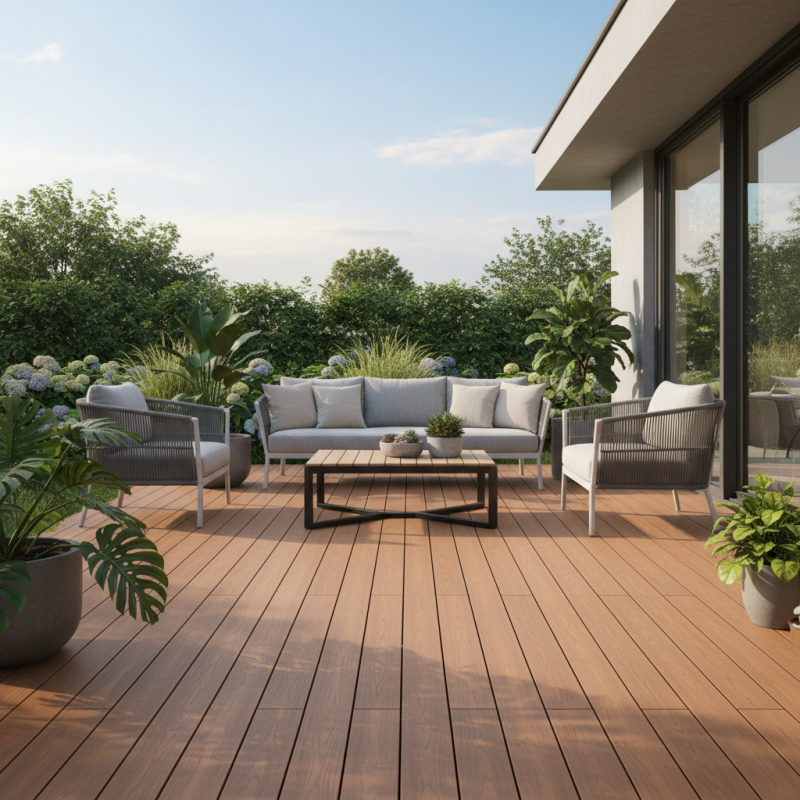
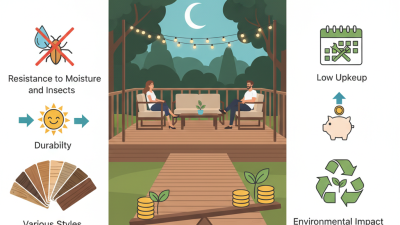
Outdoor spaces are essential for relaxation and entertainment. Wpc Deck Boards enhance these areas with their attractive designs, providing a warm, inviting atmosphere. Their resistance to moisture and insects makes them a practical choice, especially in varied climates. In fact, almost 70% of homeowners report increased outdoor usage after installing composite decking.
However, it is crucial to consider potential drawbacks. Some users have noted fading over time. Additionally, the upfront cost may discourage budget-conscious homeowners. Addressing these concerns can lead to better product choices and improved outdoor experiences.
What Are WPC Deck Boards?
WPC deck boards, or wood-plastic composite deck boards, are a popular option for outdoor spaces. They combine recycled wood fibers and plastic. This blend creates a durable material that resists moisture, insects, and UV rays. WPC boards come in various colors and textures, mimicking traditional wood without the same maintenance needs.
The benefits of using WPC boards are impressive. They require less upkeep, saving time and money. You won't need to sand, stain, or seal them regularly. The material is also splinter-free, making it safe for children and pets. However, some may find them less appealing than natural wood due to their synthetic appearance.
**Tip:** Consider adding greenery around your WPC deck. Plants can create a natural, welcoming atmosphere.
Another consideration is the heat retention of WPC boards. On very hot days, the surface can get warm. It may be uncomfortable to walk on barefoot. Choosing lighter colors can help mitigate this issue.
**Tip:** Use outdoor rugs to enhance comfort and style on your deck. They can also provide a touch of softness.
Benefits of WPC Deck Boards in Outdoor Spaces
Composition and Manufacturing Process of WPC Deck Boards
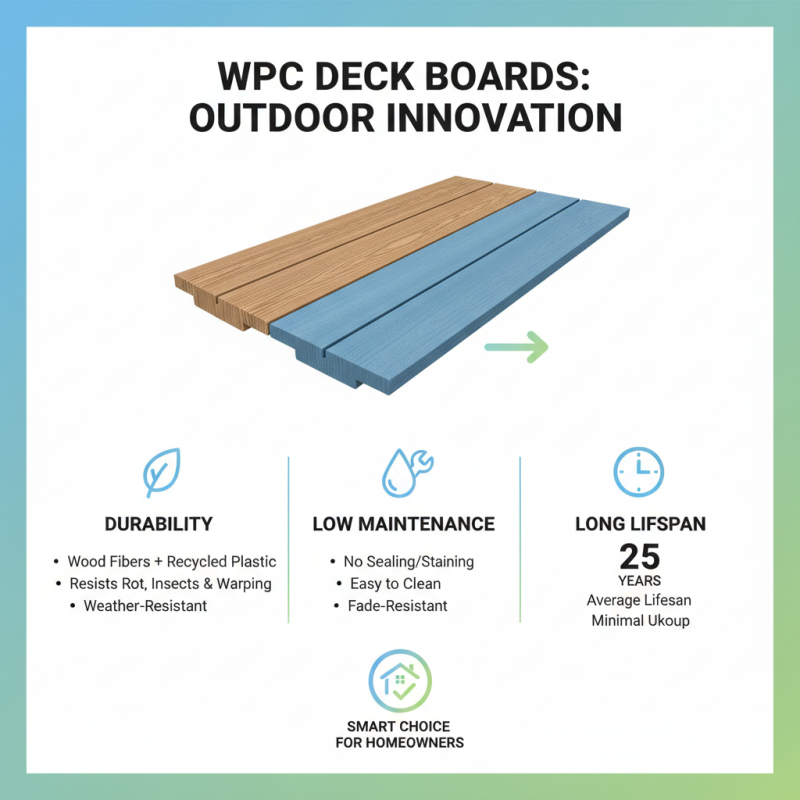
WPC deck boards are an innovative solution for outdoor spaces. They combine wood fibers and plastic polymers. This unique composition provides durability and versatility. A report by the American Wood Council indicates that WPC products can last 25 to 30 years. This lifespan is significantly longer than traditional wood decking.
The manufacturing process includes mixing wood fibers with recycled plastics. This method reduces waste and promotes sustainability. The mix is then extruded or molded into boards. During production, quality control is crucial. Even a minor flaw can weaken the board.
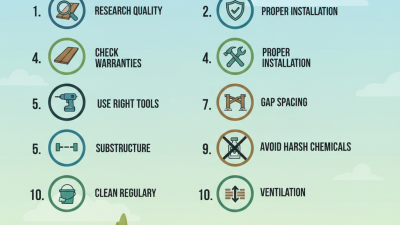
Tip: Always check the specifications when choosing WPC deck boards. Look for boards with a higher percentage of wood fiber for better aesthetics.
WPC boards are resistant to rotting and insects. However, they require regular cleaning to maintain their appearance. Neglecting care can lead to discoloration. Try using a mild soap solution for cleaning. It’s effective and eco-friendly.
What is WPC Deck Boards and How Do They Benefit Your Outdoor Space?
| Property |
Description |
| Material Composition |
Wood fibers, recycled plastic, additives |
| Durability |
Resistant to moisture, rot, and insect damage |
| Maintenance |
Low maintenance, easy to clean |
| Environmental Impact |
Made from recycled materials, eco-friendly |
| Aesthetic Appeal |
Available in various colors and textures |
| Installation |
Easy to install with hidden fasteners |
| Cost |
Cost-effective compared to traditional wood |
Key Benefits of Using WPC Deck Boards in Outdoor Spaces
WPC deck boards, made from wood-plastic composites, are gaining popularity in outdoor spaces. They blend wood fibers and recycled plastics. This combination creates a durable and low-maintenance option. According to industry studies, WPC boards can last up to 25 years with minimal upkeep. This longevity is appealing to homeowners.
One key benefit of WPC deck boards is their resistance to various weather conditions. Unlike traditional wood, they do not warp or splinter. They also withstand moisture, making them less prone to mold and decay. Studies show that WPC materials can prevent common outdoor issues by up to 90%. This enhances usability in different climates.
Moreover, WPC decks can improve outdoor aesthetics. They come in various colors and textures, simulating natural wood. A survey by outdoor design firms revealed that over 70% of homeowners prefer the look of composite decking. However, some users report uneven fading over time, which may require periodic maintenance. It's essential to consider these challenges when planning installation.
Comparing WPC Deck Boards with Traditional Wood Decking
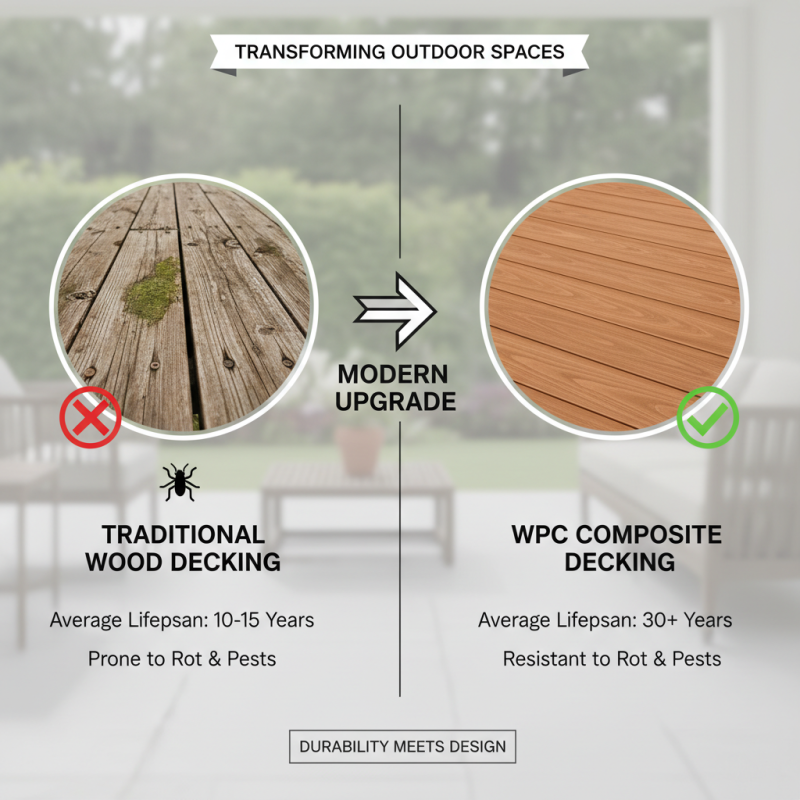
WPC deck boards are transforming outdoor spaces. They offer a unique blend of wood and plastic, creating durability and aesthetic appeal. Traditional wood decking, while classic, is often susceptible to rot and insect damage. Reports show that around 25% of wood decks require replacement every 10 years due to these issues. WPC decks, on the other hand, boast a lifespan that can exceed 30 years with proper maintenance.
When comparing WPC with traditional wood, moisture resistance stands out. Wood absorbs water, leading to warping and splintering. WPC boards resist moisture, maintaining structural integrity. A study noted that WPC decks showed 90% less swelling than wood after exposure to rain. However, some users report a less natural feel underfoot. This can be a consideration for homeowners looking for traditional aesthetics.
Additionally, the environmental impact of sourcing materials differs significantly. Traditional wood often involves deforestation. In contrast, WPC utilizes recycled plastics, reducing landfill waste. This aspect may appeal to eco-conscious consumers. Yet, some argue that the recycling process itself can be energy-intensive. Each option presents pros and cons, inviting deeper reflection on what truly fits your outdoor needs.
Maintenance and Care Tips for WPC Deck Boards
WPC deck boards are known for their durability and versatility, but they do require specific maintenance to maximize their lifespan. Regular cleaning is crucial. Experts recommend cleaning your WPC decking biannually with a gentle soap solution and a soft brush. This prevents mold and algae build-up, which can deteriorate the material over time. Surprisingly, neglecting these basic maintenance tasks can lead to costly repairs.
In addition to cleaning, it is essential to inspect your deck boards for signs of wear. Look for scratches or splintering. Studies suggest that approximately 10% of WPC users report such issues within the first three years. While WPC materials are resistant to mold and insects, they still require attention. This may surprise some homeowners who expect a maintenance-free solution. Sealing the boards for added protection may also be beneficial, particularly in areas with harsh weather conditions.
Keeping your outdoor space looking good is an ongoing process. The investment in WPC decks can sometimes feel daunting. However, when cared for properly, they can enhance your property for years. Be prepared to invest time and effort for the best results.