Why Choose Composite Decking WPC for Your Outdoor Spaces?
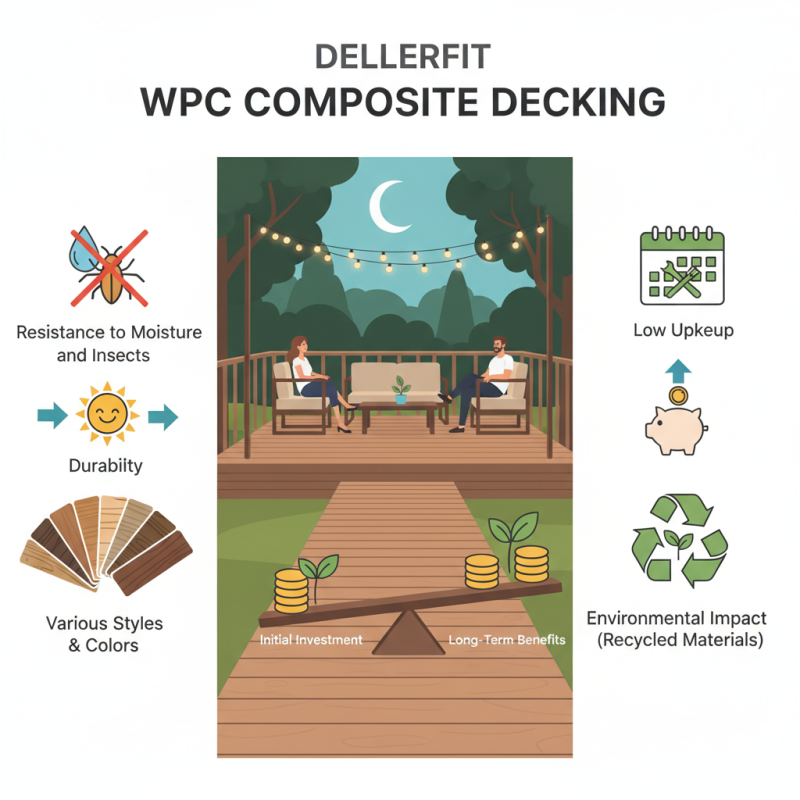
Composite Decking WPC is a popular choice for outdoor spaces. This material combines wood and plastic fibers, offering durability and aesthetics. People appreciate its resistance to moisture and insects. With various styles and colors, it enhances any backyard.
Imagine relaxing on a beautiful deck during warm summer nights. Composite Decking WPC provides a comfortable and appealing environment. However, some may wonder about its cost compared to traditional wood. It's essential to weigh the initial investment against long-term benefits.
Reflecting on maintenance, many choose Composite Decking WPC for its low upkeep. No need for frequent painting or sealing reduces labor and expenses. Yet, buyers should consider the environmental impact. Choosing products made from recycled materials can help mitigate this concern.
Benefits of Composite Decking WPC in Outdoor Environments
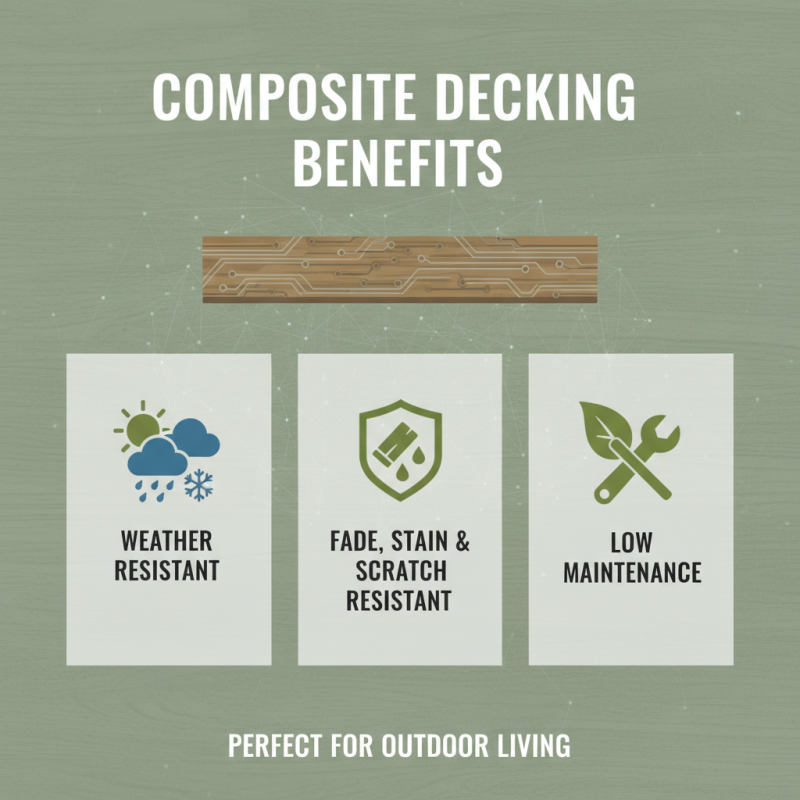
Composite decking, made from wood and plastic, offers many benefits. It stands up well against the elements. This material resists fading, staining, and scratching. Therefore, it’s perfect for outdoor environments. You can enjoy your deck without worrying about maintenance.
Here are some tips for choosing composite decking. First, consider the color and texture. There are many options available. Pick one that matches your home and style. Also, think about design. Will it be exposed to a lot of sunlight? Some colors hold up better than others.
Another tip is to check the warranty. Composite decking should come with a solid guarantee. This shows confidence in the product. Lastly, measure your space carefully. You want to avoid wasting materials. Installing the wrong size can lead to costly mistakes.
Durability and Weather Resistance of Composite Decking
Composite decking stands out for its exceptional durability and weather resistance. Unlike traditional wood, it is designed to withstand harsh elements. Rain, snow, and intense sun will not warp or crack it. Many homeowners find that they save on maintenance costs because it does not require regular sealing or staining. This feature can be seen as a time-saver, yet some may miss the natural look of real wood.
When considering exterior spaces, think about the seasons. Composite decking does not fade as quickly as wood when exposed to UV rays. Its color remains vibrant longer, even in heavy sunlight. Some may wonder if this longevity comes at the cost of aesthetics. However, many composites come in various tones, mimicking wood while offering a sleek finish. A closer look reveals unique textures that can elevate outdoor areas.
Another point of reflection is the slip resistance of composite materials. In wet conditions, this can protect against falls and accidents. However, not all composite decks are created equal. It's essential to research and choose wisely. Not every option on the market provides the same level of resistance to wear and tear. Balancing these factors is crucial when selecting the right material for your needs.
Maintenance Requirements Compared to Traditional Wood
Composite decking, made from wood plastic composites, offers significant advantages in maintenance. Unlike traditional wood, WPC does not require regular sealing or staining. This natural resistance to fading and moisture means less hassle for homeowners. You can enjoy more leisure time rather than worrying about upkeep.
Cleaning is also straightforward. A simple soap and water solution suffice. You won’t need harsh chemicals or special tools. In contrast, wood often demands more effort. Scraping off mold and mildew can be frustrating. Yet, with composite decking, dirt and grime wash away easily.
However, no solution is perfect. Some people miss the classic feel of real wood. While composite decking is durable, it may not replicate that authentic texture. Additionally, fading can occur over time, albeit less dramatically. Homeowners should consider this before making their choice. Overall, the reduced upkeep can outweigh these concerns for many.
Maintenance Requirements: Composite Decking vs Traditional Wood
Aesthetic Versatility: Colors and Textures of WPC Decking
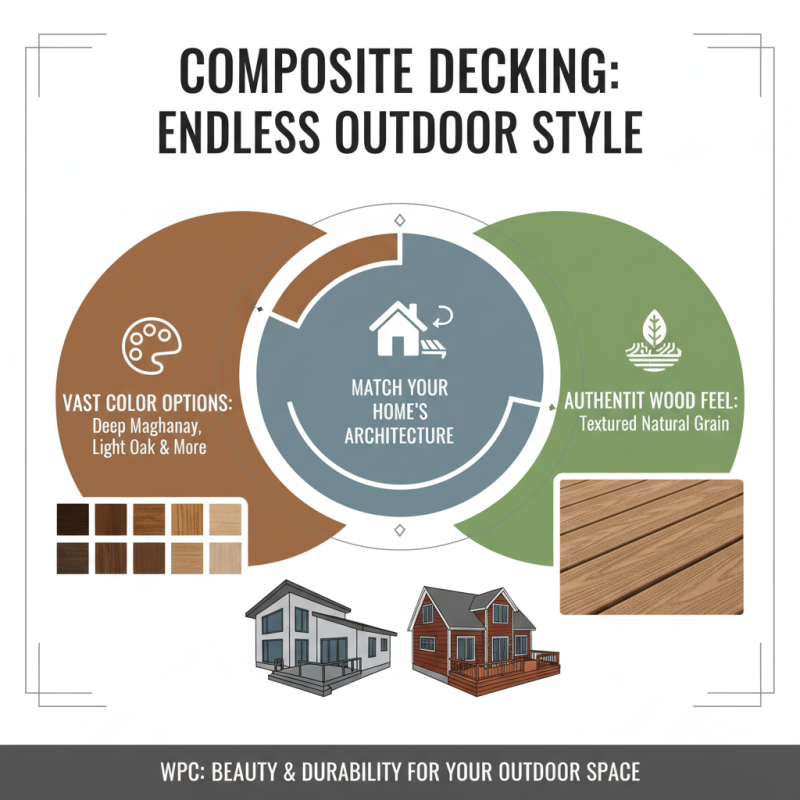
Composite decking, or WPC, offers incredible aesthetic versatility for outdoor spaces. Homeowners can choose from a vast array of colors, from deep mahogany to light oak. These options allow you to match your deck to your home’s architecture. The textured surfaces also simulate natural wood grain, adding an authentic feel to your outdoor area.
The beauty of WPC decking lies in its adaptability. It can fit modern, rustic, or traditional aesthetics. However, some colors might fade over time. This requires periodic maintenance to keep the deck looking fresh. The textures, while visually appealing, can sometimes be too slippery when wet. Care must be taken to choose a finish that balances beauty and safety.
WPC decking can truly elevate your outdoor environment. Choosing the right color and texture is essential. Experimenting with different combinations can lead to unexpected results. But the challenge often lies in finding the perfect match for your personal style. Each choice opens up a dialogue with your space, inviting you to reflect on what you want to create.
Environmental Impact and Sustainability of Composite Materials
Composite decking made from wood-plastic composites (WPC) is increasingly popular for outdoor spaces. One major reason is its environmental impact. WPC is made from recycled materials, reducing landfill waste. According to a recent study by the American Society for Testing and Materials, using WPC can lower the carbon footprint of decking by nearly 50% compared to traditional wood. This makes it a greener choice for homeowners.
WPC is also durable and long-lasting. Unlike wood, it resists rot, fading, and insect damage. This durability means fewer resources are required for replacements or repairs over time. However, it's essential to consider that not all composite materials are created equal. Some may still involve the use of harmful chemicals, which can be counterproductive to sustainability efforts.
**Tip:** When selecting composite decking, look for products that are certified by sustainability organizations. This ensures that the materials have undergone rigorous testing for environmental safety.
Another point to remember is the energy required to manufacture composite decking. Although WPC is made from recycled materials, the manufacturing process can be energy-intensive. It is crucial to weigh these factors against the long-term benefits.
**Tip:** Research local recycling programs that accept composite materials to promote responsible disposal when your decking eventually wears out.
Why Choose Composite Decking WPC for Your Outdoor Spaces?
| Aspect |
Composite Decking (WPC) |
Traditional Wood |
| Sustainability |
Made from recycled materials, reducing waste. |
Requires harvesting of timber, leading to deforestation. |
| Maintenance |
Low maintenance; does not require painting or staining. |
High maintenance; often requires regular sealing and staining. |
| Durability |
Resistant to mold, insects, and weathering. |
Prone to rotting, warping, and insect damage. |
| Lifespan |
Can last 25-30 years or more. |
Typically lasts 10-15 years with maintenance. |
| Environmental Impact |
Lower carbon footprint; often made from recycled sources. |
Higher carbon footprint due to deforestation and product processing. |
| Aesthetic Variety |
Wide range of colors and textures available. |
Natural wood variations but limited color options. |