Leave Your Message

10 Tips for Using Wood 3D Panels to Enhance Your Interior Design

In recent years, interior design trends have increasingly embraced the use of natural materials, with wood taking center stage due to its versatility and aesthetic appeal. Among these materials, the Wood 3D Panel has emerged as a popular choice for enhancing spatial dynamics and adding depth to living spaces. Designed to create striking visual effects, these panels come in a variety of textures and patterns, making them ideal for both modern and traditional interiors.

The integration of Wood 3D Panels not only elevates the overall ambiance of a room but also brings in a touch of nature that can soften the hardness of other materials. Whether used as feature walls, ceiling accents, or decorative elements, these panels can transform a mundane space into an inviting sanctuary. In this article, we will explore 10 tips for effectively utilizing Wood 3D Panels to make your interior design stand out. From selecting the right patterns to ensuring proper installation, these insights will help you achieve a harmonious balance between aesthetics and functionality in your home decor.
10 Tips for Using Wood 3D Panels to Enhance Your Interior Design

Understanding the Benefits of Wood 3D Panels in Interior Design

10 Tips for Using Wood 3D Panels to Enhance Your Interior Design

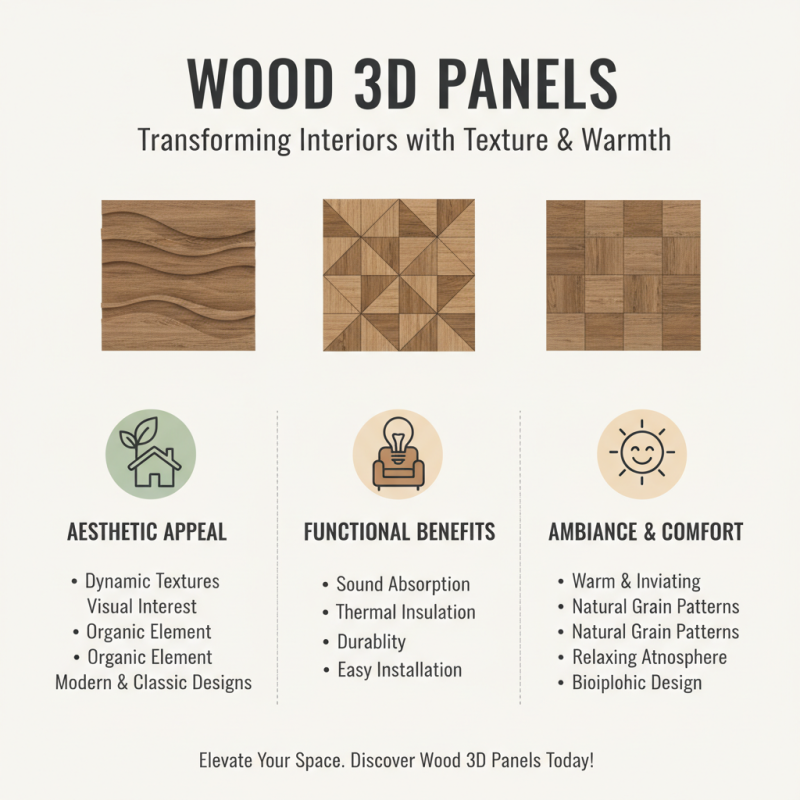
Wood 3D panels have emerged as a popular choice in interior design, offering a unique combination of aesthetic appeal and functional benefits. These panels can transform a space by adding dynamic textures and visual interest, making them ideal for residential and commercial interiors. One of the primary advantages of wood 3D panels is their ability to create a warm and inviting atmosphere. The natural grain and patterns of wood bring an organic element into any room, which can enhance the overall ambiance and promote a sense of comfort.

In addition to their visual impact, wood 3D panels also provide practical benefits. These panels offer excellent insulation properties, helping to regulate temperature and reduce energy costs in a space. Furthermore, they can improve acoustics by dampening sound, making them particularly suitable for environments where noise control is essential, such as offices or living areas. The versatility of wood 3D panels allows them to be used in various applications, from feature walls to ceiling installations, enabling designers to get creative and personalize their projects effectively.
Choosing the Right Type of Wood 3D Panels for Your Space

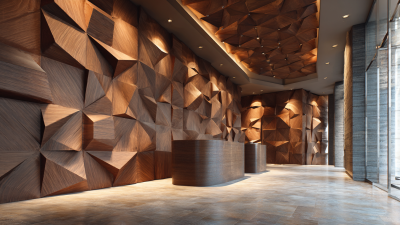
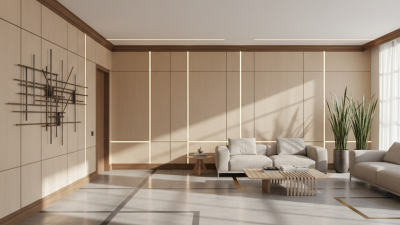
When selecting the right type of wood 3D panels for your space, it’s crucial to consider the overall aesthetic you want to achieve. Different types of wood impart various visual effects; for instance, lighter woods like maple create a fresh and airy vibe, while darker woods such as walnut exude warmth and sophistication. Pay attention to the grain patterns as well, as they can add unique textures and character to your walls.

Incorporating wood 3D panels can transform your interior design, but it’s essential to match the panels with your decor style. If you’re aiming for a modern look, opt for sleek and geometric designs, as they complement minimalist aesthetics beautifully. For a rustic or farmhouse theme, look for panels with a more natural finish featuring rough textures or reclaimed wood. To enhance their impact, consider the spatial arrangement and lighting in your room; strategically placed panels can create focal points and depth, enriching the overall ambiance.

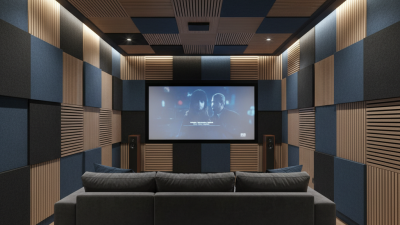
Another important tip is to evaluate the acoustic properties of the wood panels. Some designs offer sound absorption benefits, making them perfect for spaces like home theaters or offices where noise reduction is desired. Additionally, explore various finishes that can help protect the wood while enhancing its appearance, ensuring that your choice is both beautiful and functional for long-term enjoyment.

Design Techniques to Integrate Wood 3D Panels into Your Decor

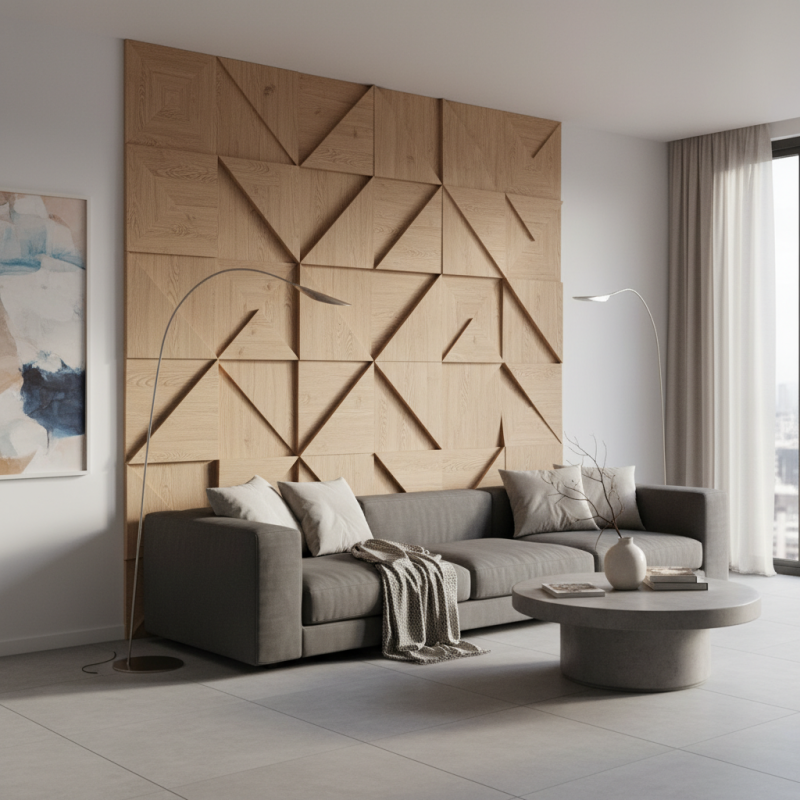
Integrating wood 3D panels into your interior design can dramatically transform any space, creating a unique, textured aesthetic that resonates with the warmth of nature. One effective design technique is to use these panels as a feature wall. A report by the Wood Products Council indicates that textured wall coverings can increase the perceived value of a home by up to 20%. When selecting a wall, consider areas that naturally draw the eye, such as behind a sofa or in a dining room. Opt for panels that contrast with the existing décor to create depth and visual interest, while maintaining a cohesive color palette for balance.

Another innovative approach is layering wooden 3D panels with other materials. Designers have found that combining wood with metals or fabrics adds organic charm and sophistication. According to a study by the American Institute of Architects, integrating mixed materials can elevate a space's design complexity and comfort, resulting in satisfied clients who are more likely to invest in upscale furnishings. Create a dining area that features wood panels alongside sleek metal accents and soft textiles, enhancing both the aesthetic appeal and the tactile experience of the space. This versatility allows wood 3D panels to fit seamlessly into various design styles, from modern minimalism to rustic chic.

Enhancing Interior Design with Wood 3D Panels

Maintenance and Care Tips for Wood 3D Panels

10 Tips for Using Wood 3D Panels to Enhance Your Interior Design

Wood 3D panels have gained popularity in contemporary interior design, serving as striking focal points that add depth and warmth to any space. However, maintaining their beauty and integrity is essential for long-lasting appeal. According to a report by the American Wood Council, proper maintenance of wood products can significantly extend their lifespan, with well-cared items often lasting up to 25% longer than those neglected. Regularly dusting the panels with a soft cloth can prevent dirt buildup, while occasional deep cleaning with a mild soap solution can keep them looking pristine.

Humidity control is also crucial for the maintenance of wood 3D panels. The Wood Products Council highlights that wood is sensitive to changes in humidity, which can cause warping or cracking. Maintaining indoor humidity levels between 30% and 50% is ideal to prevent such issues. Additionally, homeowners should apply a coat of wood conditioner or sealant every few years, which can protect the surface while enhancing the natural grain. These simple yet effective maintenance strategies not only preserve the aesthetic quality of wood 3D panels but also ensure they contribute positively to the overall ambiance of your interior design.

Exploring Color and Texture Combinations with Wood 3D Panels

Wood 3D panels offer an extraordinary opportunity to explore innovative color and texture combinations that can elevate your interior design. When selecting colors, consider the natural hues of the wood itself. Rich browns can bring warmth to a space, while lighter shades can create an airy feeling. Pairing these panels with complementary color palettes—such as soft pastels or bold jewel tones—can enhance their features and provide an engaging visual contrast. For instance, placing light wood panels alongside deep navy or emerald accents can create a sophisticated look that balances warmth with elegance.

Texture is another crucial element to consider when using wood 3D panels. The tactile nature of these panels adds depth and dimension to interiors. To play up the texture, think about the various finishes that can be applied, such as matte, glossy, or distressed looks. Mixing different textures within the same space can create a dynamic interplay; for example, pairing smooth wooden panels with rougher elements like stone or fabric can result in a striking aesthetic. By thoughtfully combining colors and textures, wood 3D panels can transform your space into a harmonious and visually captivating environment.

10 Tips for Using Wood 3D Panels to Enhance Your Interior Design

Tip Number Tip Description Color Combination Texture Recommendation
1 Choose the right type of wood panel Warm tones (e.g., oak, teak) Smooth finish for elegance
2 Experiment with different panel layouts Contrasting colors Textured panels for depth
3 Incorporate wood panels in unexpected areas Neutral shades (e.g., gray, beige) Rough-hewn finish for rustic charm
4 Combine with other materials Bold colors (e.g., navy, emerald) Mixed textures (smooth and rough)
5 Use lighting to enhance the wood panels Warm white Glossy finish for reflection
6 Create a focal point with a feature wall Dark versus light Chiseled texture for impact
7 Balance with soft furnishings Soft color palette Soft textures (fabric, cushions)
8 Add decorative elements Accent colors Mixed materials for interest
9 Consider scale and proportion Monochromatic scheme Bold textures for contrast
10 Maintain a cohesive theme Harmonious colors Consistent textures throughout