Top 7 Cladding Wall Panel Designs for Modern Homes in 2023
In the ever-evolving landscape of modern architecture, the significance of Cladding Wall Panels cannot be overstated. Renowned design expert Dr. Emily Thompson once stated, “Cladding Wall Panels not only enhance aesthetic appeal but also offer functional benefits such as insulation and weather resistance.” As homeowners and architects seek innovative ways to harmonize beauty and utility, the latest designs in cladding wall panels have emerged as pivotal elements in contemporary home design.
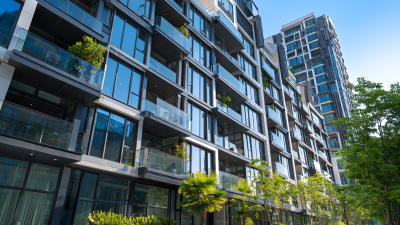
In 2023, the market is witnessing a surge in creative applications of Cladding Wall Panels, reflecting a balance between sustainability and style. From minimalist finishes to bold textures, these panels are transforming the façades of urban dwellings and suburban retreats alike. With advancements in materials and technology, cladding has transcended its traditional role, becoming a critical design feature that dictates the character of a structure. This article explores the top seven Cladding Wall Panel designs that are defining modern homes this year, emphasizing their potential to revolutionize residential architecture.
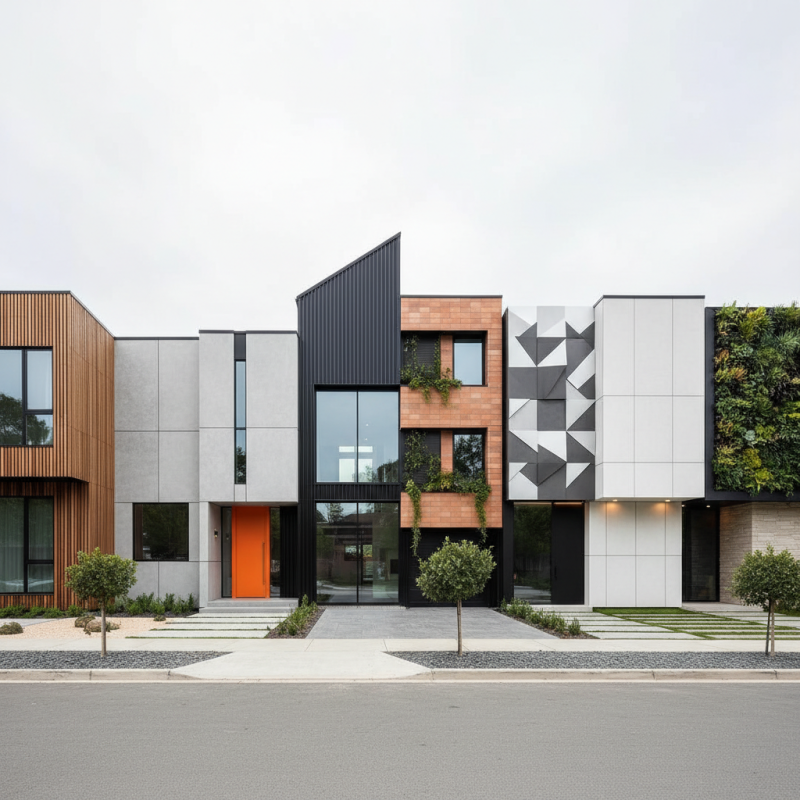
Modern Cladding Wall Panels: An Overview of Trends in 2023
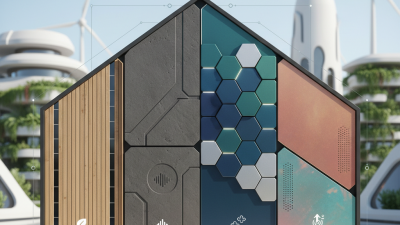
In 2023, modern cladding wall panels are embracing a blend of aesthetics, sustainability, and functionality. Homeowners are increasingly opting for eco-friendly materials that not only enhance the visual appeal of their spaces but also contribute to energy efficiency. Trends show a rising popularity of natural textures like wood and stone, which bring an organic feel to contemporary designs. The focus on minimalist styles is evident, with smooth, sleek panels that offer a clean finish while allowing for easy maintenance and durability.
Additionally, color palettes are shifting towards earthy tones and muted shades, reflecting a growing desire for harmony with nature. Innovations in manufacturing processes are enabling the creation of lightweight panels that can easily be installed, offering versatility in design. This year also sees an emphasis on acoustic performance, with cladding systems designed to reduce noise, thus making homes quieter and more comfortable. As homeowners continue to seek unique ways to express their individuality through design, cladding wall panels are evolving to meet these demands, ensuring that modern homes remain stylish and functional.
Key Materials Used in Contemporary Cladding Panel Designs
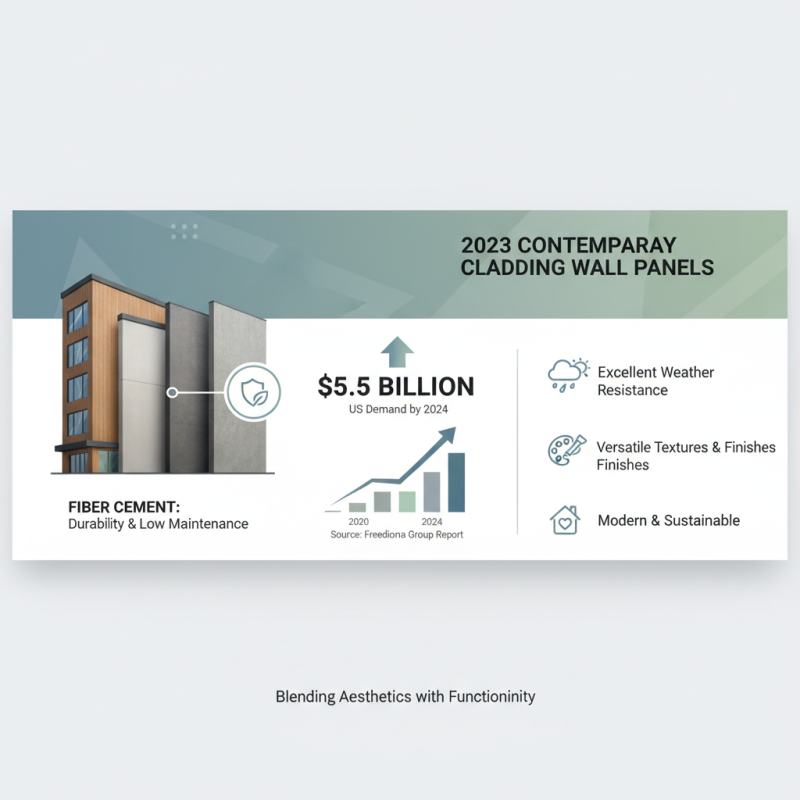
In 2023, contemporary cladding wall panel designs are showcasing a variety of innovative materials that blend aesthetics with functionality. One of the most popular materials is fiber cement, known for its durability and low maintenance. According to a report by the Freedonia Group, the demand for fiber cement siding in the U.S. is projected to reach $5.5 billion by 2024, reflecting its growing preference among homeowners for modern and sustainable building solutions. Fiber cement panels provide excellent weather resistance while offering a versatile range of textures and finishes that appeal to modern sensibilities.
Another key material gaining traction is metal, particularly aluminum and galvanized steel, which are celebrated for their sleek appearance and longevity. The Global Metal Panel Market report indicates that the demand for metal cladding is expected to grow significantly, driven by architectural trends favoring minimalism and industrial aesthetics. Metal panels can create striking visual effects while also ensuring energy efficiency, as they often include insulation components that enhance a building's thermal performance. Furthermore, advancements in perforation technology allow for greater customization and design flexibility, catering to the unique tastes of contemporary homeowners.
As sustainability remains a priority in construction, materials like reclaimed wood and eco-friendly composites are also increasingly incorporated into cladding designs. According to the World Green Building Council, green building materials are projected to constitute over 50% of the construction market by 2025. These materials not only enhance the visual appeal of modern homes but also contribute to reduced environmental impact, making them a focal point for designers aiming to create responsible yet stylish living spaces.
Innovative Textures and Finishes for Modern Wall Panels
In 2023, wall panel designs for modern homes are pushing boundaries with innovative textures and finishes that are transforming both interiors and exteriors. With a rising demand for aesthetic versatility and sustainability, industry reports indicate that the wall panel market is expected to grow significantly, potentially reaching USD 24.5 billion by 2027. This growth is driven by advancements in manufacturing technologies that enable the production of panels featuring intricate textures and customizable finishes, catering to contemporary architectural trends.
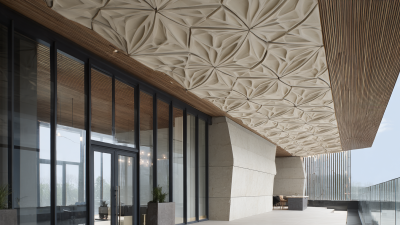
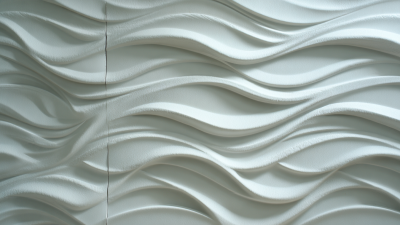
Among the standout trends this year are 3D textured panels and eco-friendly materials, which respond to increasing consumer interest in sustainable design. Research shows that materials like recycled wood and composite panels not only reduce environmental impact but also provide unique visual appeal. Designers are increasingly favoring finishes that mimic natural textures, such as stone or timber, which enhance the aesthetic experience while ensuring durability. Additionally, the incorporation of bold colors and mixed materials is becoming prevalent, allowing homeowners to create personalized statements that reflect individual styles in their modern living spaces. As the demand for aesthetically pleasing and functional designs grows, wall panels stand out as a significant element in contemporary home aesthetics.
Sustainable Cladding Options for Eco-Friendly Homes
As modern homeowners increasingly prioritize sustainability, the demand for eco-friendly cladding materials is on the rise. According to a report from the Global Eco-Friendly Materials market, it is projected that the demand for sustainable building materials will exceed $370 billion by 2025. This shift stems from a growing awareness of the environmental impact associated with traditional construction materials, such as vinyl and conventional timber, which often involve harsh manufacturing processes and contribute to deforestation.
In 2023, innovative materials such as reclaimed wood, bamboo, and fiber cement are at the forefront of sustainable cladding options. Reclaimed wood not only reduces waste but also adds a unique aesthetic to modern homes. Similarly, bamboo is gaining popularity due to its rapid growth rate and minimal carbon footprint. Moreover, fiber cement, made from a blend of sand, cement, and cellulose fibers, offers durability and resistance to moisture while being a recyclable option.
These materials not only enhance the longevity of buildings but also contribute significantly to energy efficiency. Reports indicate that homes built with sustainable cladding can achieve energy savings of up to 30%, reinforcing their role in the greener construction movement. As we move further into 2023, these eco-friendly cladding solutions are becoming essential in creating modern, environmentally conscious homes.
Integrating Cladding Panels with Architectural Styles and Colors
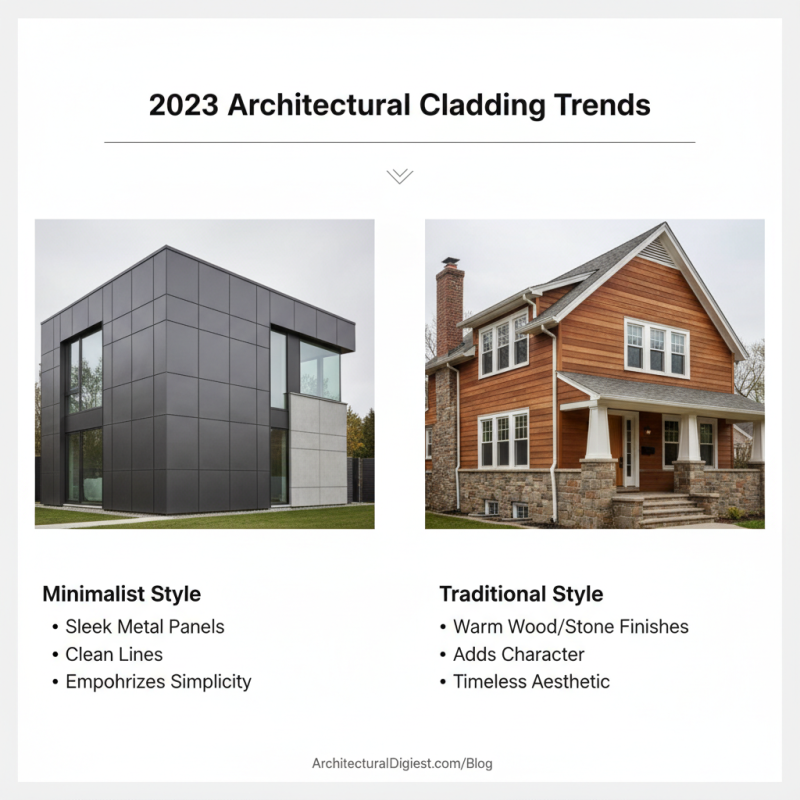
In 2023, the integration of cladding panels with various architectural styles has become a defining trend in modern homes. Architects and designers are increasingly exploring how different textures, materials, and colors can complement the structural elements of a building. For instance, a minimalist style often pairs seamlessly with sleek, metal cladding that enhances clean lines and emphasizes simplicity. On the other hand, traditional styles benefit from the warmth of wood or stone finishes, which add character and a sense of timelessness to the overall aesthetic.
Colors also play a significant role in this integration. Neutral tones remain popular, offering versatility and harmony with the environment, while bold hues are being embraced to create striking facades that stand out. The right color choice can dramatically alter the perception of a home, enhancing its architectural elements and setting the mood of the space. With advancements in technology, cladding panels can now be produced in a wide range of finishes and colors, allowing homeowners to express their individuality while maintaining a cohesive relationship with the surrounding landscape. This convergence of design and color creates homes that are not only functional but also visually appealing, embodying a modern ethos that embraces creativity and personal expression.