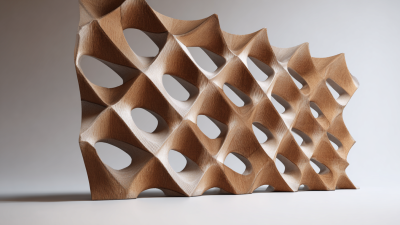
In the pursuit of serene living environments, the integration of advanced sound wall technologies is becoming increasingly vital. A report from the Acoustical Society of America indicates that sound pollution can raise stress levels and detract from quality of life in urban settings. With the global population expected to reach 9.7 billion by 2050, addressing noise contamination is paramount. Sound walls, designed to effectively reduce noise transmission from external environments, are emerging as a leading solution for homeowners seeking tranquility without sacrificing outdoor accessibility.
As we approach 2025, innovations in sound wall design and materials promise to elevate acoustic comfort in residential spaces significantly. The World Health Organization has highlighted that excessive noise exposure is linked to various health issues, including sleep disturbances, cardiovascular diseases, and impaired cognitive function. This reinforces the urgency for effective sound barrier implementations. Emerging technologies utilizing sound-absorbing materials and eco-friendly composites are not only enhancing the aesthetic appeal of sound walls but also improving their performance in noise reduction, thus fostering a healthier living environment for future generations. Embracing these advancements positions homeowners to cultivate peace and well-being within their homes.
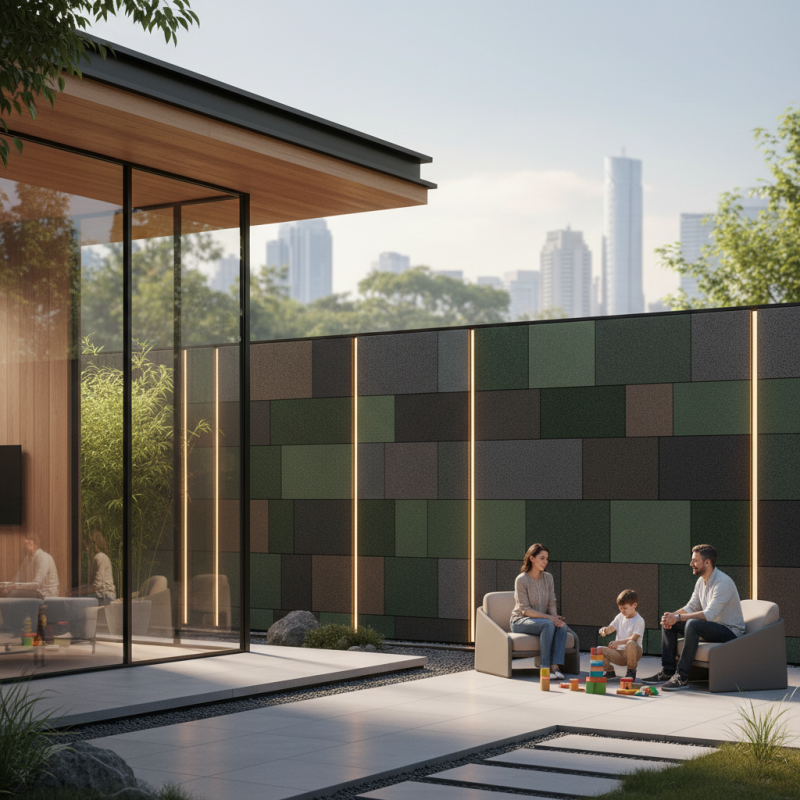
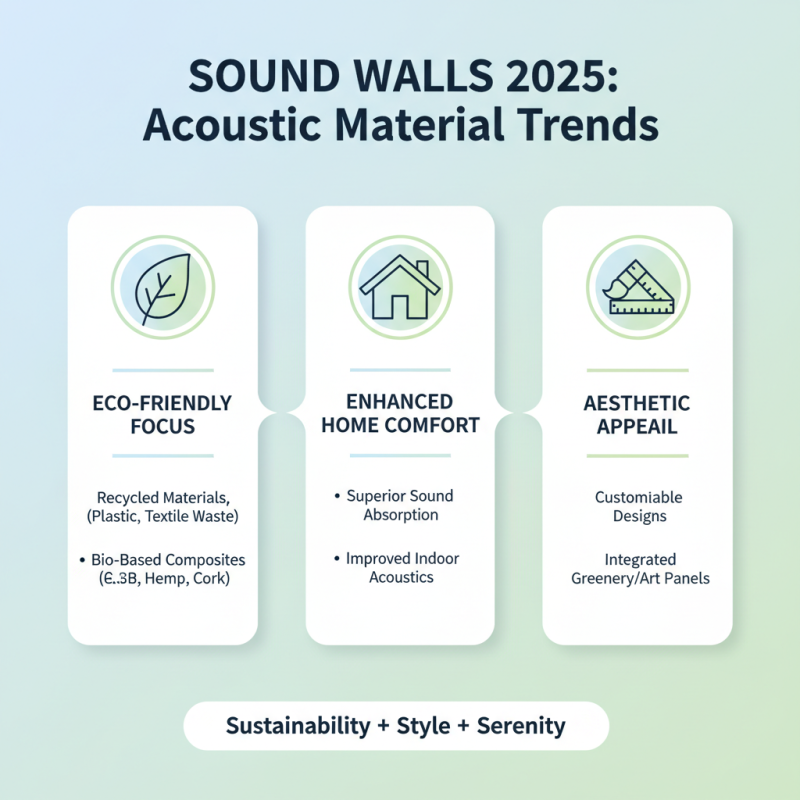
As we look towards 2025, the world of acoustic materials for sound walls is set to witness remarkable trends aimed at enhancing both residential comfort and aesthetic appeal. The emphasis on eco-friendly materials is becoming increasingly significant, with homeowners prioritizing sustainability alongside sound insulation. Innovations in recycled materials and bio-based composites are not only reducing environmental impact but also providing effective sound absorption, making these options highly desirable for modern sound walls.
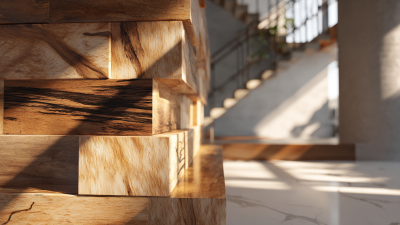
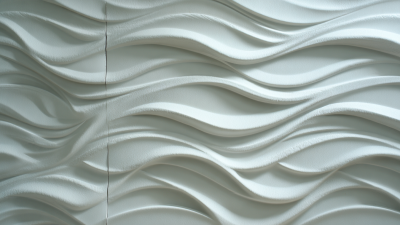
In terms of design, naturalistic textures and finishes are gaining popularity, allowing sound walls to blend seamlessly into outdoor and indoor environments. Textured panels that mimic natural elements such as wood or stone offer both aesthetic value and functional benefits. These materials enhance acoustic performance while providing homeowners with a chic and stylish appearance for their living spaces.
**Tips:** When selecting acoustic materials, consider dual-purpose solutions that contribute to the overall design of your home while improving sound quality. Look for options that can fit with landscaping or interior decor. Also, ensure proper installation to maximize the effectiveness of sound absorption—hire a professional if needed to achieve optimal results. By choosing modern acoustic solutions, you can create a peaceful environment tailored to your lifestyle.
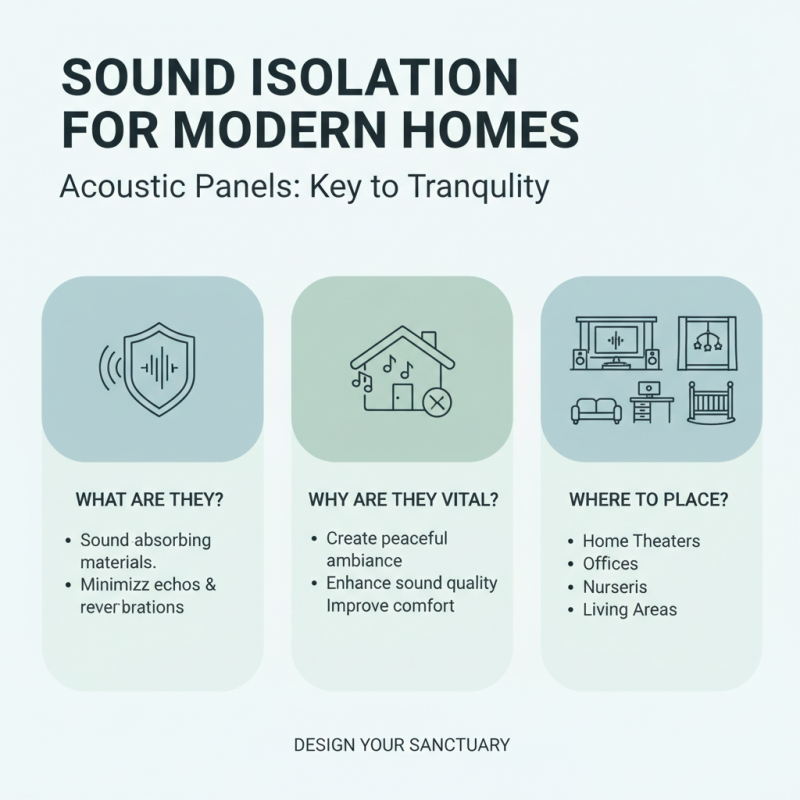
In the quest for tranquility within modern homes, innovative sound isolation techniques have emerged as vital components in home design. One prominent method involves the integration of acoustic panels into interior spaces. These panels are crafted from sound-absorbing materials, effectively minimizing echoes and reverberations that can disrupt the peaceful ambiance of a home. By strategically placing these panels in rooms such as home theaters, offices, or even nurseries, homeowners can create environments that prioritize sound quality and comfort.
Another cutting-edge approach includes the use of specialized soundproofing materials in wall construction. This technique goes beyond traditional drywall methods by incorporating dense, sound-dampening layers that act as barriers against external noise. Furthermore, innovative designs such as staggered stud walls or resilient channels can significantly reduce sound transmission between rooms, providing a serene living experience. As homeowners continue to seek ways to enhance their personal sanctuaries, these advancements in sound isolation practices are set to transform the way we perceive and interact with our living spaces in 2025 and beyond.
As homeowners increasingly prioritize the integration of functionality and style, sound walls have emerged as a key component in contemporary home design. These innovations not only serve as effective sound barriers but also enhance the aesthetic appeal of living spaces. By employing materials and finishes that complement existing décor, sound walls can create a harmonious balance between beauty and acoustic control. Options such as wood paneling, fabric-covered surfaces, or even artistic installations allow homeowners to customize their sound walls, ensuring they align with personal tastes while delivering the desired auditory benefits.
In addition to traditional designs, new trends in sound wall aesthetics focus on creativity and personalization. Homeowners can choose colors, patterns, and textures that echo their interior themes, transforming what was once a utilitarian feature into a statement piece. For instance, a vibrant mural or geometric design can draw the eye, making the sound wall an integral part of the room’s visual narrative. By utilizing innovative technologies such as acoustic art panels, individuals can achieve both sound absorption and artistic flair, further blurring the lines between utility and style. Ultimately, the integration of sound walls into home décor exemplifies a forward-thinking approach to design, where aesthetics and functionality coexist seamlessly.
As we approach 2025, the integration of smart technology in sound wall solutions is set to revolutionize how we enhance our living environments. According to a recent report by the Global Sound Insulation Market, the demand for soundproofing solutions is projected to grow by over 10% annually through the next five years, driven largely by urbanization and the increasing need for privacy in densely populated areas. Smart technology is leading the charge in this transformation, allowing homeowners to install sound walls that not only block noise but also engage with other smart home systems.
These advanced sound walls are equipped with sensors and automation capabilities that can adjust sound barriers based on real-time noise levels. For example, when outdoor noise peaks during traffic hours, the sound wall can automatically tighten its structure or activate sound-masking features. Research from the Institute of Noise Control Engineering indicates that homes equipped with such intelligent soundproofing systems experience a reduction in perceived noise levels by up to 30%. This seamless interaction with home automation systems, such as smart hubs and mobile apps, enhances user experience, allowing homeowners to tailor their acoustic environments based on personal preferences or schedules.
Moreover, the environmental impact of sound wall innovations cannot be overlooked. Studies by the Acoustic Society of America reveal that integrating renewable materials and smart technology can significantly reduce the carbon footprint of building projects. As homeowners become increasingly eco-conscious, the combination of sustainable soundproofing solutions with smart technology not only meets acoustic needs but also contributes positively to the environment, promising a quieter and greener future in residential design.
| Innovation | Description | Key Features | Integration Type | Estimated Cost |
|---|---|---|---|---|
| Acoustic Panels with Smart Sensors | Panels that adapt dynamically to sound levels and environmental conditions. | Sound detection, environmental adjustment, aesthetic design. | Home Automation Systems | $200 - $500 per panel |
| Smart Sound Walls with AI | Intelligent walls that learn user preferences for optimized sound experience. | AI learning, user customization, energy efficiency. | IoT Devices | $800 - $1500 |
| Eco-Friendly Acoustic Materials | Sustainable materials designed for sound absorption and environmental friendliness. | Sustainability, high acoustics, diverse aesthetics. | Passive Sound Mitigation | $150 - $300 per panel |
| Modular Sound Wall Systems | Customizable wall sections allowing homeowners to change designs easily. | Modular design, installation ease, versatile layouts. | Custom Home Solutions | $500 - $1000 (installation included) |
| Integrated Speaker Sound Walls | Walls with built-in sound systems providing high-quality audio. | High-fidelity audio, easy connectivity, sleek design. | Home Entertainment Systems | $1000 - $3000 |
In 2025, homeowners are increasingly seeking cost-effective strategies to install sound barriers that enhance their living environments. According to the Acoustic Society of America, noise pollution levels in urban areas have been rising, with studies indicating that over 50% of residents in major cities report significant disturbances from external noise. Given these statistics, the demand for effective sound wall innovations is more critical than ever.
One of the most efficient and economical strategies for soundproofing is the use of natural materials for sound barriers. Research published in the Journal of Building Acoustics reveals that elements like earth berms and dense vegetation can reduce noise by up to 15 decibels, making them a sustainable alternative to traditional sound barriers. Additionally, integrating acoustic panels made from recycled materials not only minimizes environmental impact but also offers a cost-saving solution. Estimates suggest that utilizing these materials can lower installation costs by nearly 25%, while still achieving substantial noise reduction.
Moreover, homeowners can explore DIY soundproofing methods, which can be both economical and effective. Simple techniques such as installing heavy curtains, using bookshelves as sound barriers, or applying mass-loaded vinyl can significantly reduce sound transmission within a home. Recent surveys indicate that nearly 70% of homeowners who engaged in DIY soundproofing reported improved acoustical comfort without the need for extensive renovations. This approach not only saves costs but also empowers homeowners to create personalized and quiet living spaces.