Everything You Need to Know About Acoustic Panels Walls?
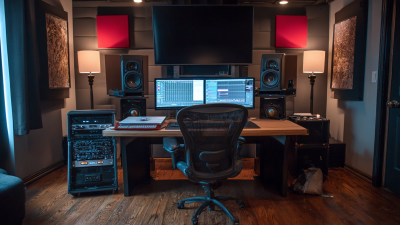
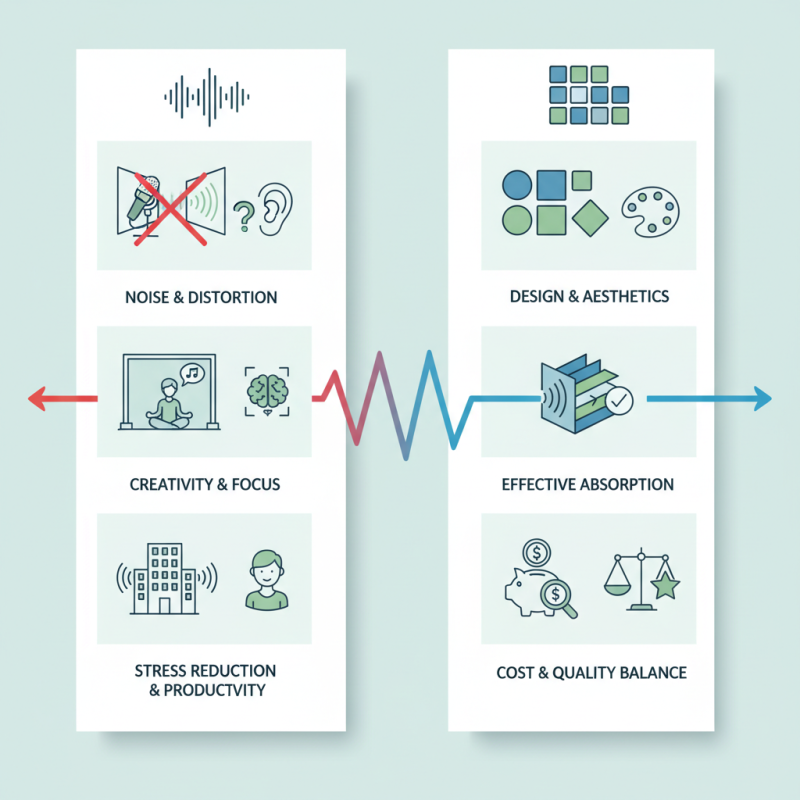
Acoustic Panels Walls can transform a room drastically. These panels reduce noise and improve sound quality. Whether in a studio, office, or home, they play a crucial role. Imagine a recording studio without them. The sound would bounce off walls, creating echoes and distortion. In crowded spaces, noise pollution can lead to stress. Acoustic panels can help mitigate this issue.
Installing these panels is more than just functional. They come in various designs, colors, and textures. The aesthetics can match any interior style while serving a practical purpose. Many people overlook their importance. However, a room filled with unwanted noise can hinder creativity and productivity. It's easy to forget how a quiet environment enhances focus.
Yet, there are challenges to consider. Not all panels are effective in every space. Some might require more than one layer for optimal sound absorption. Budget constraints can also limit options for many. It’s essential to find the right balance between cost and quality. Reflecting on these factors will lead to better choices regarding Acoustic Panels Walls.
What Are Acoustic Panels and How Do They Work?
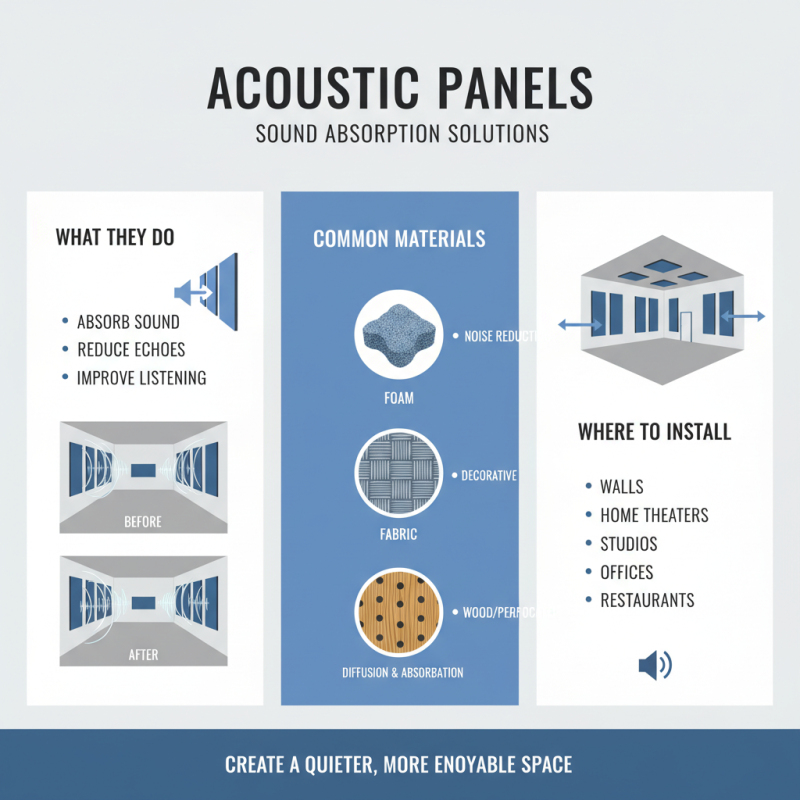
Acoustic panels are specialized materials designed to absorb sound. They are often installed on walls or ceilings to reduce noise. They help in minimizing echoes and creating a better listening environment. These panels can be made of foam, fabric, or wood. Each material has its own properties that affect sound absorption.
When sound waves hit these panels, they are either absorbed or diffused. This process helps to improve sound quality in a room. However, not all panels work the same way. Some may be more effective in specific frequencies. It’s essential to choose the right type for your space.
Installation can also be tricky. Correct placement is crucial for maximum effectiveness. Misalignment can lead to subpar performance. Many users overlook this aspect. Soundproofing is not just about using panels; it's about understanding your space. Every room has unique characteristics that affect acoustics. Knowing the limits of your setup can help improve the results.
Types of Acoustic Panels: Materials and Designs
Acoustic panels come in various types, tailored to different environments. They can enhance sound quality significantly. One common type is foam panels. These are lightweight and easy to install. Their porous structure absorbs sound waves effectively. However, they may not offer a premium look. This can sometimes be a drawback in design-focused spaces.
Another popular choice is fabric-wrapped panels. These panels combine style and functionality. Available in a multitude of colors, they can be aesthetically pleasing. They are often used in offices and studios. However, they require maintenance to keep them looking good. Dust and static can accumulate, affecting their performance.
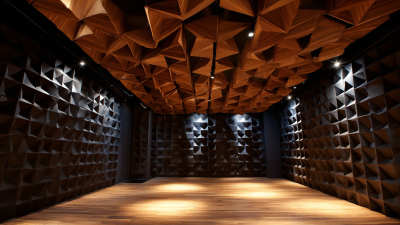
Wooden acoustic panels provide a natural touch. They deliver warmth while controlling sound. The texture adds character to a room. Yet, their cost can be high, limiting accessibility. They may also need proper finishing to avoid damage. Every option has its pros and cons; it's essential to consider the specific needs of your space carefully.
Benefits of Installing Acoustic Panels in Different Spaces
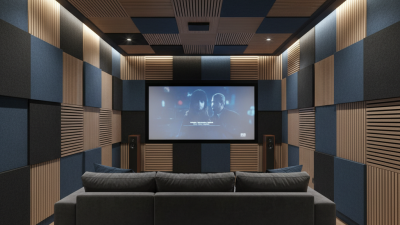
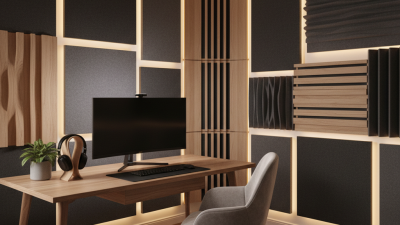
Installing acoustic panels can significantly improve sound quality in various spaces. In home theaters, paneling reduces echo, offering a cinematic experience. In offices, they promote focus by minimizing distractions. Restaurants also benefit, as they create a more enjoyable atmosphere for patrons.
Consider the layout of your space. Think about where noise bounces off surfaces. Corners and flat walls often amplify sound. For effective results, place panels strategically to break up sound waves. Remember, less is more. Too many panels can make a room feel cramped.
Keep aesthetics in mind. Acoustic panels come in various colors and designs. They should complement your existing décor. Sometimes, a bold color or unique texture can spark a conversation. Reflect on how the panels impact your space’s overall vibe. Finding the right balance can enhance both functionality and style.
How to Choose the Right Acoustic Panels for Your Needs
Choosing the right acoustic panels for your space can be challenging. Start by assessing your needs. Consider where you will install them. Are you in a home studio, office, or theater? Each space has unique acoustics. Measurement of dimensions is crucial.
Material plays an essential role. Panels can be made of foam, fiberglass, or cotton. Each material absorbs sound differently. Foam panels are lightweight and cost-effective, but may not perform as well in larger spaces. Solid panels, while often more expensive, can provide better sound reduction.
Think about aesthetics, too. Acoustic panels come in various colors and designs. If they clash with your decor, you may avoid installing them. Consider their placement carefully. Sometimes, the most practical solutions are overlooked. You might need more than you think. Achieving the perfect acoustics is a journey. Don't hesitate to re-evaluate your choices.
Everything You Need to Know About Acoustic Panels Walls? - How to Choose the Right Acoustic Panels for Your Needs
| Panel Type |
Material |
Thickness |
NRC Rating |
Ideal Use |
| Polyester Fiber Panels |
Recycled Polyester |
1 inch |
0.95 |
Home Theaters, Offices |
| Foam Panels |
Melamine Foam |
2 inches |
0.80 |
Recording Studios, Workshops |
| Wooden Panels |
Plywood |
1.5 inches |
0.75 |
Living Rooms, Restaurants |
| Fabric Wrapped Panels |
Acoustic Fabric over Mineral Core |
2 inches |
1.00 |
Conference Rooms, Theaters |
| Mass Loaded Vinyl |
Vinyl |
Varied |
0.70 |
Basements, Music Rooms |
Installation Tips and Maintenance for Acoustic Panel Walls
Acoustic panel walls are essential for sound control in any space. Installing them effectively can greatly enhance the acoustic experience. Start by selecting the right location. It should be where sound reflections are most problematic. Measure the wall area carefully. This ensures you purchase the right amount of material. Use a level to mark where the panels will go. A precise installation makes a difference.
Maintenance is also key once the panels are up. Dust can accumulate, affecting their performance. Gently vacuum or wipe them regularly. If stains occur, use a damp cloth to clean them promptly. Be cautious with cleaning solutions; they can damage the surface. Pay attention to how the panels respond over time. Do they still absorb sound effectively? If not, consider re-evaluating your layout or even replacing them. Remember, sound management is an ongoing process that requires regular reflection and adjustment.
Acoustic Panels Effectiveness by Frequency