10 Essential Tips for Choosing Panel Wall PVC for Your Home?
Choosing the right Panel Wall PVC for your home can be overwhelming. With so many options available, it's easy to feel lost. This material is popular for its durability and aesthetic appeal. However, not all Panel Wall PVC products are created equal.
When selecting, consider your space and lifestyle. Do you prefer a modern look or a classic style? Think about how easy it is to clean. Some finishes attract dirt more than others. You’ll want to choose colors and textures that improve your home’s atmosphere.
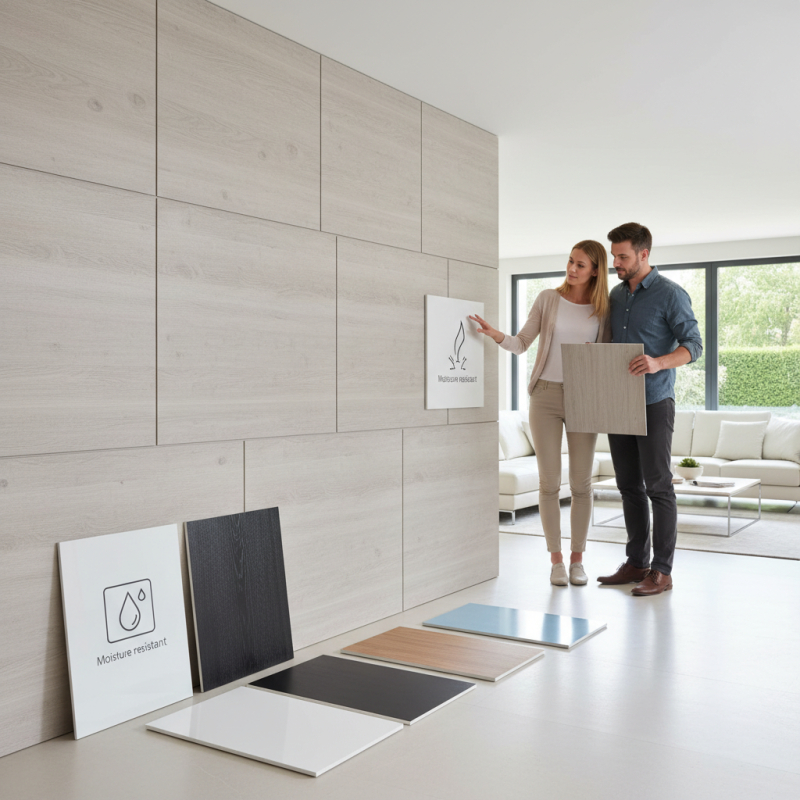
Beyond aesthetics, think practicality. Does the product resist moisture well? In areas like bathrooms, this is vital. Also, some panels are better suited for high-traffic areas. As you browse, remember that the cheapest option may not be the best investment. Reflect on both immediate needs and long-term goals. The right choice will enhance both function and design in your home.
Understanding the Benefits of PVC Panel Walls for Home Interiors
PVC panel walls are gaining popularity for home interiors. They offer a range of benefits that make them an excellent choice. One significant advantage is their durability. They resist moisture, making them suitable for bathrooms and kitchens. Remember, not all PVC panels are the same. Choose high-quality options for better longevity.
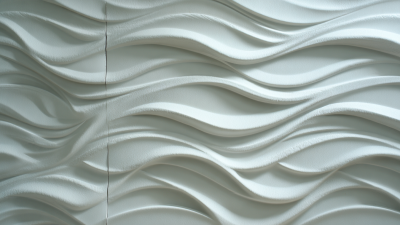
When selecting PVC panels, consider the design. There are many colors and textures available. Look for options that complement your interior style. This adds character to your home. A light color can make a small space feel larger. A bold color can create a striking focal point. Be mindful of how patterns in the panels interact with your furnishings.
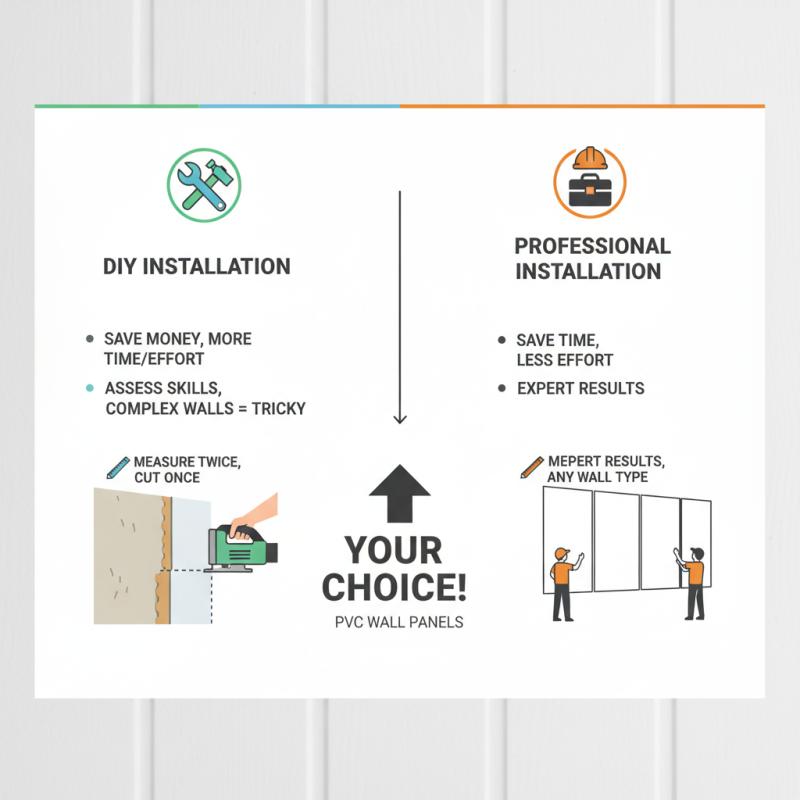
Also, think about installation. Some panels are easier to install than others. If you are handy, this could save money. Yet, if you are unsure, hiring a professional can prevent mistakes. Mistakes can lead to a poorly finished look. Make your choices wisely. Quality matters. The right panels can transform your home into a stylish retreat.
Identifying the Right Styles and Designs for Your Space
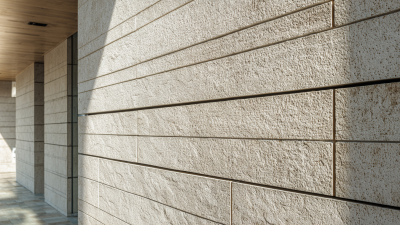
Choosing the right panel wall PVC for your home can be a fun yet challenging task. Styles and designs play a crucial role in creating a cohesive look. Think about your existing decor. What complements it? Do you prefer modern or rustic elements? Take a moment to visualize how different textures impact your space. For example, a wood grain finish can add warmth, while a sleek, glossy panel can bring a contemporary feel.
Consider your room's function. Is it a lively family area or a cozy reading nook? Color choice is vital. Lighter colors can make small spaces appear larger. Darker shades may create a more intimate atmosphere. Pay attention to patterns as well. Subtle designs can enhance elegance, while bold patterns make statements. Experimenting with sample panels can help you decide.
Before finalizing your choice, reflect on durability. PVC panels should stand the test of time. Quality matters, especially in high-traffic areas. Different environments may require different finishes. Don’t overlook maintenance ease. Some materials need more care than others. Ensure your selection fits your lifestyle. Trust your instincts, but also be ready to pivot if something doesn’t feel right.
Evaluating Durability and Maintenance Needs of PVC Panels
When selecting PVC panel walls for your home, durability and maintenance are key factors. Research from the American Society for Testing and Materials (ASTM) indicates that high-quality PVC can endure a range of environmental conditions. They are resistant to moisture and do not warp like traditional materials. This makes them ideal for areas prone to humidity, like bathrooms. Yet, all PVC products vary in composition, which impacts their long-term performance.
Regular maintenance can be minimal with PVC panels. A simple wipe with a damp cloth can often suffice. However, their surface can become scratched over time, which may require touch-up solutions. According to the National Association of Home Builders, scratches can diminish aesthetic appeal but rarely affect structural integrity. It’s important to check the warranty and upkeep guidelines provided, as discrepancies could arise later.
Some PVC panels can become brittle with prolonged exposure to sunlight. This may lead to fading or cracking, particularly in areas with heavy sunlight. Remember, while the initial cost is appealing, the cost-effectiveness may vary based on material quality and usage. Assessing these factors critically will guide you in making an informed decision for your home’s needs.
Durability and Maintenance Needs of PVC Panels
This bar chart presents the evaluation criteria for the durability and maintenance needs of PVC panels, showing a high score in durability, weather resistance, and ease of cleaning, making it a suitable choice for home use.
Considering Installation Options and Costs for PVC Wall Panels
When considering PVC wall panels for your home, installation options play a crucial role. You can opt for DIY installation or hire a professional. DIY can save money but requires time and effort. It’s essential to assess your skills and the complexity of the project. Installing panels on uneven walls can be tricky. Measure twice, cut once is a common adage in DIY circles. Failure to do so may lead to wasted materials.
Costs can vary widely. The price depends on the quality of the panels and your chosen installation method. Some panels are flexible and easier to handle. Others may require special tools for installation, driving up costs. Always factor in additional expenses like adhesives and finishing trims. Planning your budget carefully is key. Underestimating these costs can lead to frustration later.
Don’t forget to consider the long-term maintenance of your PVC panels. Some materials can discolor or warp over time, affecting the aesthetics. In areas with high humidity, this issue may be more pronounced. Researching various options helps avoid unpleasant surprises. Reflect on the overall design and how it fits into your home. These dimensions matter in turning your house into a home.
Ensuring Safety and Environmental Factors When Choosing PVC Panels
When selecting panel wall PVC for your home, safety and environmental impact are critical. Many PVC panels contain additives or chemicals that may pose risks. Look for panels labeled as low in volatile organic compounds (VOCs). These lower emissions help create a healthier indoor environment.
Consider the production process of the PVC panels as well. Manufacturing methods can vary widely. Some processes are more eco-friendly than others. Research the suppliers' practices to ensure environmental responsibility. Opt for panels that are recyclable or produced from recycled materials. This choice can lessen your home's ecological footprint.
Don't forget about fire safety as well. Some PVC panels may not meet fire resistance standards. Check for certifications to ensure compliance. Speak to suppliers about the materials' fire ratings. It’s worth reflecting on your choices. Sometimes, low-cost options come with hidden risks. Balancing affordability and safety is vital in your decision-making process.
10 Essential Tips for Choosing Panel Wall PVC for Your Home
| Tip Number |
Tip |
Safety Factor |
Environmental Factor |
| 1 |
Check for Certifications |
Fire resistance certification |
Complies with environmental standards |
| 2 |
Evaluate Durability |
Impact resistant ratings |
Long-lasting materials that reduce waste |
| 3 |
Look for Non-Toxic Options |
No harmful chemicals |
Made from recycled materials |
| 4 |
Consider Water Resistance |
Mold and mildew resistant |
Suitable for sustainable environments |
| 5 |
Choose Lightweight Material |
Easier and safer to handle |
Lower energy usage during transport |
| 6 |
Inspect Installation Process |
Safety during installation |
Minimizes construction waste |
| 7 |
Assess Thermal Insulation |
Improved energy efficiency |
Reduces carbon footprint |
| 8 |
Review Maintenance Needs |
Safety in maintenance tasks |
Less frequent replacements due to durability |
| 9 |
Color and Finish Options |
No toxic paints or finishes |
Eco-friendly finishing processes |
| 10 |
Budget Considerations |
Ensuring safety without overspending |
Investing in sustainable solutions |