Top Decorative Moulding Trends in 2025 to Transform Your Home Decor
In the ever-evolving landscape of home decor, decorative moulding stands as a timeless element that adds both character and elegance to interior spaces. As we look toward 2025, experts suggest that this trend will not only continue to flourish but will also take on innovative forms that blend traditional craftsmanship with modern aesthetics. Renowned decorative moulding specialist, James Turner, notes, “The right moulding can transform a room from ordinary to extraordinary, reflecting the homeowner's unique style and vision.”
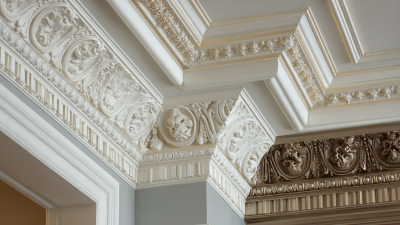
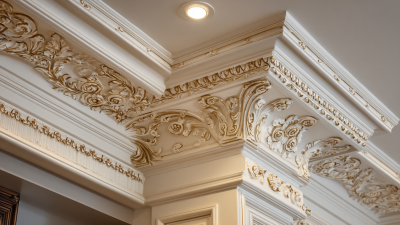
This year, homeowners are expected to embrace a mix of bold designs and subtle textures, showcasing how decorative moulding can be used to create striking focal points in any room. From elaborate crown mouldings to minimalist baseboards, the versatility of decorative moulding allows for creative expression that enhances a home’s overall ambiance. As we delve into the top decorative moulding trends of 2025, we will explore how these elements can serve as the finishing touches that bring spaces to life, making them feel more inviting and personalized.
Join us as we uncover the exciting directions that decorative moulding is heading in, and discover how you can incorporate these trends into your home for a truly transformative decor experience.
Emerging Styles in Decorative Moulding for Modern Interiors
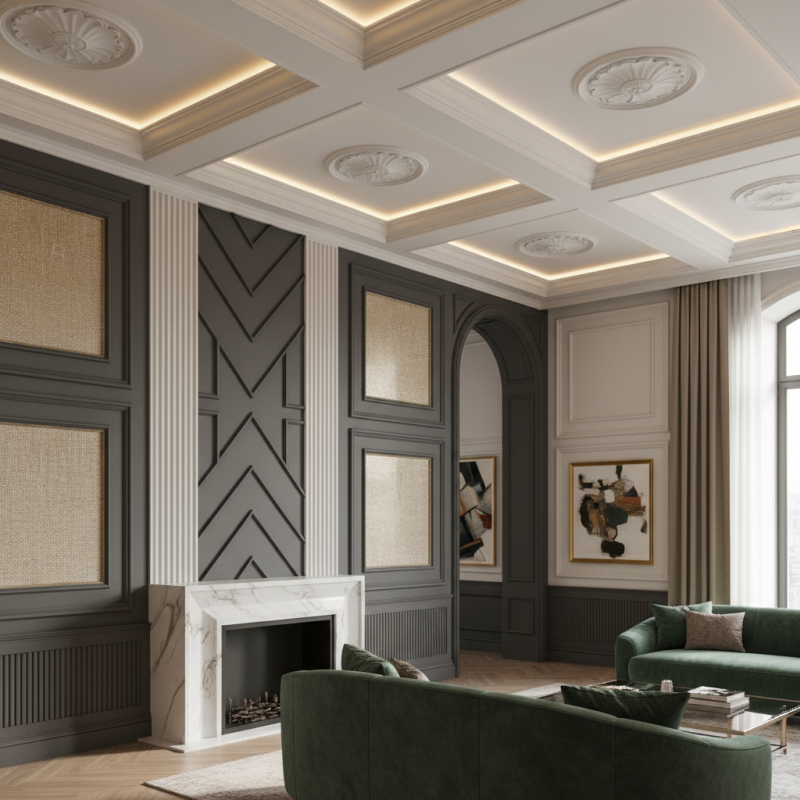
As we look ahead to 2025, decorative moulding is set to play a pivotal role in modern interior design, with several emerging styles reshaping the way homeowners approach their decor. According to a recent report from the National Association of Home Builders, the demand for custom moulding options is on the rise, with over 70% of homeowners indicating an interest in personalized design elements that reflect their unique tastes. This trend highlights a shift towards more intricate and tailored moulding choices that enhance the overall aesthetic of a space.
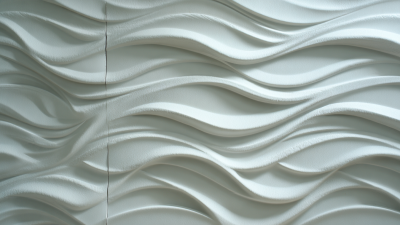
One notable style gaining traction is the use of organic, flowing shapes in moulding designs. Homeowners seek to create softer, more inviting spaces, and this trend reflects a departure from the rigid lines typically associated with traditional moulding. A study by the American Institute of Architects reveals that biophilic design elements—such as curves inspired by nature—are increasingly influencing interior styles. This movement aims to blend indoor spaces with the natural world, encouraging the use of moulding that mimics the organic forms found in nature, such as leaf-like patterns or wave motifs.
Additionally, minimalism continues to influence decorative moulding trends, with an emphasis on clean lines and simplistic designs. Recent data from the Interior Design Society shows that about 60% of designers favor understated moulding profiles that provide subtlety without overwhelming other decor elements. This minimalist approach allows for versatility in various design schemes, from contemporary to transitional spaces, making it a preferable choice for those looking to refresh their interiors while maintaining a timeless appeal. The combination of organic shapes and minimalist designs is poised to redefine how moulding enhances modern homes in 2025.
Top Decorative Moulding Trends in 2025 to Transform Your Home Decor
| Trend |
Description |
Material |
Usage Area |
| Minimalist Designs |
Focus on clean lines and simplicity, emphasizing functionality. |
MDF, Wood |
Living rooms, Bedrooms |
| Bold Colors |
Incorporating vibrant colors to create a striking visual impact. |
Polyurethane, PVC |
Hallways, Entryways |
| Geometric Patterns |
Use of shapes and patterns for a contemporary feel. |
Wood, Composite materials |
Home Offices, Studios |
| Natural Textures |
Incorporating elements from nature to enhance warmth and appeal. |
Reclaimed wood, Stone |
Kitchens, Dining Areas |
| Eclectic Mixes |
Combining various styles for a personalized touch. |
Various materials |
Living rooms, Galleries |
Sustainable Materials: Eco-Friendly Moulding Trends of 2025
As we move into 2025, the push for sustainable living continues to greatly influence home decor, particularly in the area of decorative moulding. Homeowners are increasingly aware of their environmental footprint, driving a demand for eco-friendly materials that blend aesthetics with sustainability. Composite materials made from recycled products are gaining popularity, allowing for beautiful designs without the guilt of harming the planet. These mouldings not only offer an elegant touch to interiors but also support the circular economy, ensuring that materials are repurposed rather than disposed of.
In addition to composites, natural wood options are making a comeback, particularly those sourced from responsibly managed forests. These sustainable choices provide warmth and character to any room while minimizing environmental impact. Homeowners are also exploring innovative options like bamboo and cork, which are not only renewable but also offer unique textures and appearances that set them apart from traditional materials. As the trend towards sustainable design grows, decorative moulding crafted from eco-friendly materials is positioned to transform living spaces into stylish yet environmentally conscious environments, creating harmony between beauty and responsibility.
Color and Texture: Innovative Finishes for Decorative Mouldings
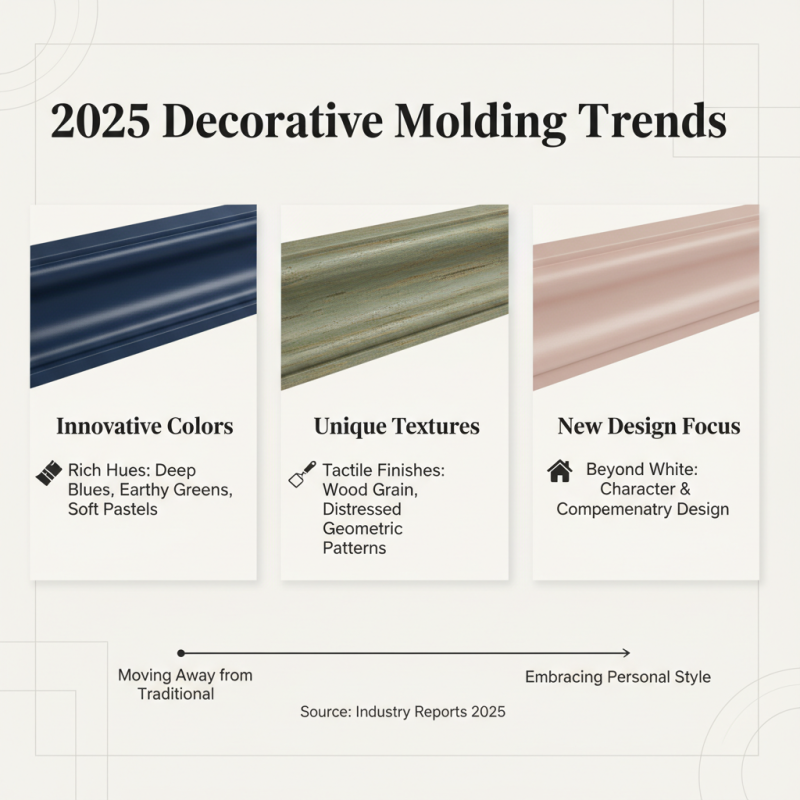
In 2025, decorative moulding trends are increasingly influenced by innovative colors and textures that can drastically alter the feel of a space. Homeowners are moving away from traditional white finishes, instead opting for rich hues and unique textures that bring character to their decor. Deep blues, earthy greens, and soft pastels are becoming popular choices, allowing mouldings to complement a range of design styles—from modern minimalism to classic elegance.
Texture plays a pivotal role in this transformation. Matte and satin finishes are gaining ground as they offer a softer look compared to glossy options. Distressed or antiqued effects are also creating a sense of history and depth, adding warmth to contemporary spaces. Incorporating mouldings with varied textures can help highlight architectural features and create a more inviting atmosphere.
Tips: When selecting mouldings, consider a color palette that harmonizes with your existing decor to ensure a cohesive look. Don't be afraid to mix and match textures; combining smooth and rough finishes can create visual interest. Additionally, using mouldings in unexpected places, such as ceilings or accent walls, can elevate your decor and provide a fresh perspective on traditional styling.
Integrating Smart Technology into Decorative Moulding Designs
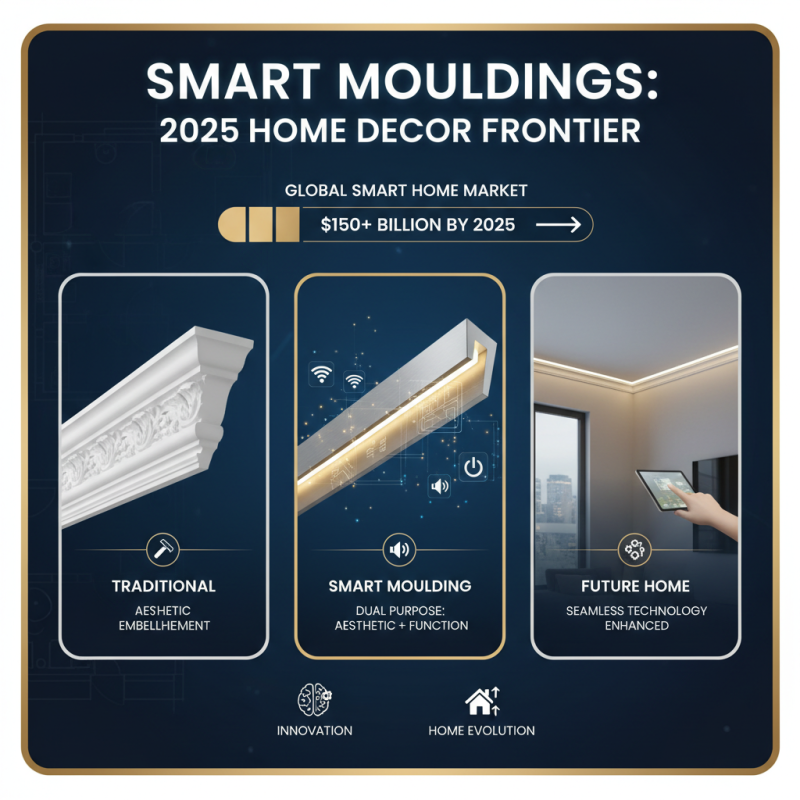
As we move into 2025, the integration of smart technology into decorative moulding designs is poised to redefine the way we approach home decor. Recent industry reports indicate that the smart home market is expected to surpass $150 billion globally by 2025, highlighting a significant trend in the demand for seamless, technology-enhanced home environments. Decorative mouldings, traditionally viewed as mere aesthetic embellishments, are evolving to serve dual purposes, including functionality and modern convenience.
Homeowners are increasingly seeking innovative solutions that elevate their living spaces while incorporating smart technology. For instance, decorative mouldings can integrate LED lighting systems that adjust brightness and color based on the time of day or mood, enhancing aesthetic appeal and energy efficiency simultaneously. Additionally, smart moulding can facilitate voice command features and remote control capabilities, allowing users to effortlessly modify lighting or even activate hidden speakers embedded within the moulding itself, creating a sophisticated auditory experience.
Data from design surveys suggest that nearly 60% of homeowners are interested in incorporating smart features into their decor, with decorative mouldings emerging as a popular choice due to their versatility and the ability to blend with various interior styles. As technology advances, the intersection between artful design and smart functionality is becoming more pronounced, making decorative moulding an essential aspect of the modern home.
Classic vs. Contemporary: Balancing Tradition with Modern Aesthetics
In 2025, the intersection of classic and contemporary decorative moulding is set to become a defining trend in home decor. Homeowners are leaning into the nostalgia of traditional designs while simultaneously embracing the cleaner lines and minimalism of modern aesthetics. This dynamic balance allows for the creation of spaces that feel both timeless and fresh. By incorporating intricate crown moulding or wainscoting with sleek, modern furniture, you can achieve a harmonious blend that speaks to a diverse range of styles.
Tips for achieving this balance include selecting moulding that complements your existing furniture. For instance, if you favor a modern palette, opt for simpler, geometric moulding styles that enhance rather than overshadow your space. Conversely, if your decor leans more towards traditional, incorporate bold, ornate moulding details in strategic spots, such as around doorways or ceilings, to draw the eye and add depth. Layering textures can also elevate the space—consider pairing matte finishes with glossy accents to create visual interest.
Additionally, using color wisely can tie together traditional and contemporary elements. Choose a neutral base for walls and larger features, allowing the decorative moulding to pop with a contrasting color or a subtle finish. This approach not only honors the classic style but also infuses a modern flair, ensuring that your home decor remains relevant and stylish for years to come.
Top Decorative Moulding Trends in 2025