What is Cladding Wall Panel and How to Choose the Right One?
Choosing the right Cladding Wall Panel can transform your space dramatically. According to industry expert Mark Anderson, "The right cladding can change not only the aesthetics but also the performance of a building." This emphasizes the importance of understanding your options.
When considering Cladding Wall Panels, factors like material, durability, and insulation are critical. Various materials, such as wood, metal, and composite, each have unique benefits and challenges. For instance, wood offers warmth but requires maintenance. On the other hand, metal panels provide modern aesthetics but may lack insulation.
Understanding these aspects requires careful thought. It's easy to overlook details like weather resistance and installation ease. However, making an informed decision can prevent costly mistakes later. An ideal Cladding Wall Panel enhances both style and functionality. Reflecting on your needs and preferences is vital in this process.
What is a Cladding Wall Panel?
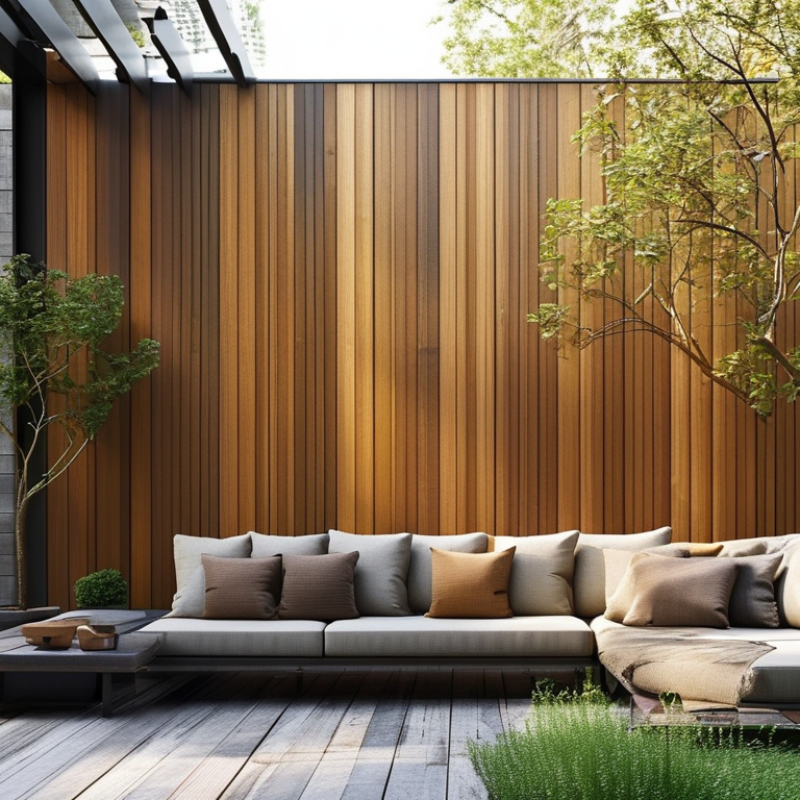
Cladding wall panels are external coverings for buildings. They serve both functional and aesthetic purposes. Cladding enhances the appearance while protecting the structure beneath. These panels come in various materials, such as wood, metal, and vinyl. Each material offers unique benefits. For example, wood provides a natural look, while metal gives a modern appeal.
Choosing the right cladding wall panel is crucial. Consider the weather conditions in your area. Some materials handle moisture better than others. Durability is another factor to think about. Lightweight panels may be easier to install but might not last as long. Reflect on your desired style and maintenance needs too. A low-maintenance option is ideal for busy homeowners.
Installation can be tricky. Improper installation may lead to issues later. Seek advice from professionals if unsure. It's essential to balance between aesthetic choices and practical requirements. Remember that trends change, so choose a design that remains timeless. Your selections should reflect your values and contribute to the longevity of your home.
Types of Cladding Materials Available
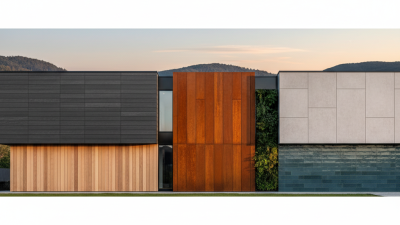
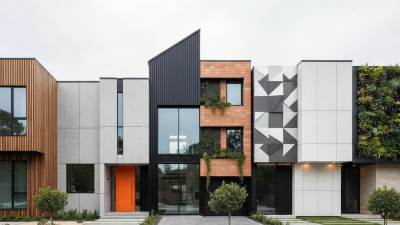
Cladding wall panels come in various materials, offering aesthetic appeal and functionality. Understanding the types available is crucial for making an informed choice. Common materials for cladding include wood, vinyl, metal, stone, and fiber cement.
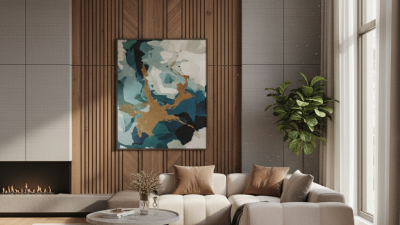
Wood cladding is a traditional choice, providing warmth and character. According to a report by the Wood Timber Manufacturers Association, wood is popular in residential settings due to its natural insulation properties. However, wood requires regular maintenance and may be susceptible to rot.
Vinyl cladding is known for its affordability and durability. It is low-maintenance and comes in numerous colors and designs. A study by the Vinyl Siding Institute indicates that homeowners appreciate its cost-effectiveness, commonly choosing it for new constructions. Although it resists damage from moisture, its lifespan can vary based on weather conditions.
Metal cladding, often used in commercial buildings, offers a modern look. A report from the Metal Building Manufacturers Association notes its durability and resistance to fire. However, metal can be prone to dents and corrosion if not properly coated.
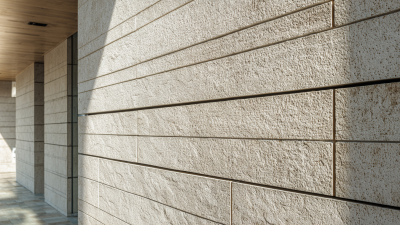
Meanwhile, stone cladding provides a timeless, luxurious feel. It excels in durability but can be heavy and costly, requiring careful structural support.
Choosing the right cladding material depends on budget, aesthetic preferences, and the specific environment. Each option has its drawbacks, and thoughtful consideration is essential. Decisions should weigh both pros and cons to achieve the desired outcome.
Key Benefits of Using Cladding Wall Panels
Cladding wall panels have gained popularity due to their many benefits. These panels offer insulation, which can significantly reduce energy costs. According to a report by the Department of Energy, effective insulation can reduce energy consumption by up to 30%. This is essential for homeowners looking to minimize their utility bills and environmental impact.
Another key advantage is their aesthetic appeal. Cladding wall panels come in various materials and finishes, allowing for creative designs. A study by the National Association of Home Builders found that 80% of homebuyers prioritize curb appeal. Attractive cladding can enhance the overall look of a building and potentially increase its market value.
Maintenance is another consideration. Cladding panels can require less upkeep compared to traditional siding. However, choosing the wrong material can lead to issues like fading or water damage. Research indicates that some composite materials have a shorter lifespan due to environmental factors. Buyers should weigh the longevity of the materials against their installation costs when making decisions.
Factors to Consider When Choosing Cladding Panels
When selecting cladding wall panels, several key factors should guide your decision. One of the most critical considerations is
material selection. Popular options include vinyl, wood, and metal. A report by the American Architectural Manufacturers Association states that vinyl siding accounts for nearly 30% of residential cladding. Each material offers different benefits, like durability and maintenance needs.
Aesthetics also play a vital role. The appearance of cladding can impact the overall design of a building. It's essential to choose panels that not only complement your structure but also reflect your style. While some prefer the classic look of wood, others favor the sleek finish of metal. A 2021 study indicated that color and texture can add up to 25% to the perceived value of a property.
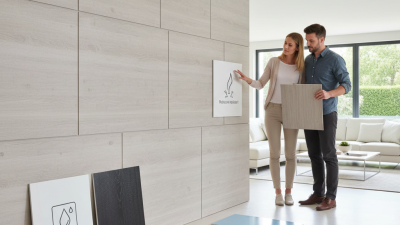
Tip: Evaluate your local climate when choosing a panel. Some materials perform better in extreme temperatures or humidity. Also, consider the environmental impact. Choosing sustainable materials can enhance your project’s appeal while being eco-friendly. Always weigh your options and reflect on how each choice aligns with your long-term goals. Testing samples before making a decision can lead to better outcomes.
Maintenance Tips for Cladding Wall Panels
Maintaining cladding wall panels is crucial for their longevity and performance. Regular cleaning is essential. Use a gentle cleanser and a soft cloth to avoid scratching surfaces. According to the Building Research Establishment (BRE), dirt buildup can reduce insulation efficiency by up to 15%. This emphasizes the need for routine maintenance.
Inspecting for damage is equally important. Look for cracks or peeling, particularly around joints and seams. The National Institute of Building Sciences recommends checking panels at least twice a year. If issues are found, repairs should be made promptly to avoid further degradation. A proactive approach can extend the life of your panels significantly.
Weather conditions also affect maintenance needs. In regions with heavy rainfall or snow, ensure drainage systems are clear. This prevents moisture buildup, which can lead to mold or rot. A study by the American Institute of Architects indicates that neglecting these factors can reduce a building's lifespan by several years. Overall, consistent care is vital for optimal performance and durability of cladding wall panels.