How to Choose the Best WPC Deck Boards for Your Project?
When choosing WPC deck boards for your project, it's essential to consider various factors that impact quality and performance. Recent industry reports reveal that the global WPC market is expected to reach approximately $9.3 billion by 2028, demonstrating the increasing popularity of these materials. This growth is attributed to their durability, low maintenance, and eco-friendly characteristics.
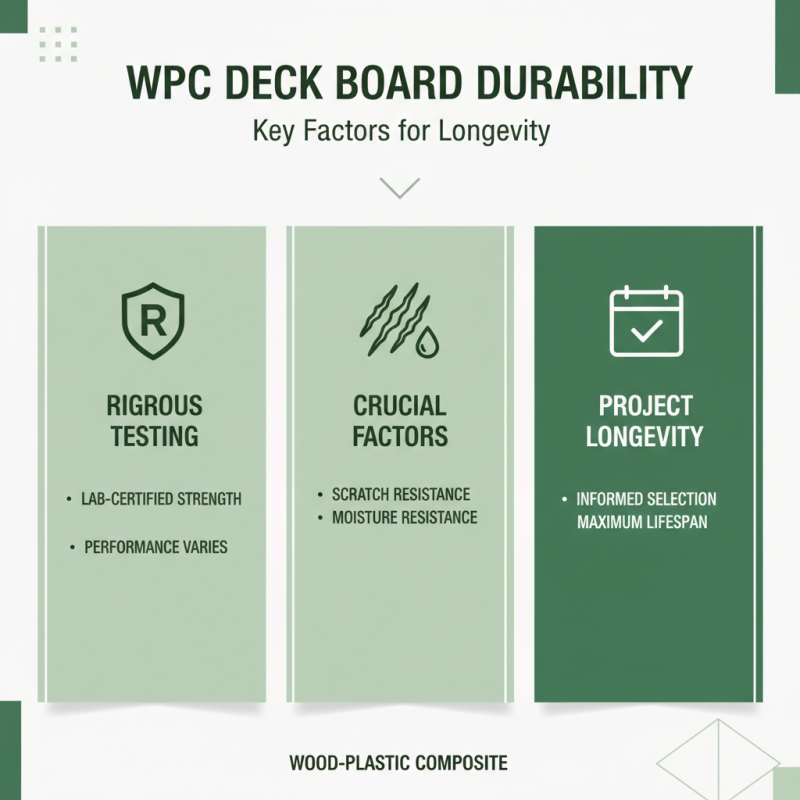
WPC deck boards combine wood fibers and plastic, creating a versatile product suitable for various climates. However, not all boards are created equal. Some options may fade, warp, or crack over time, raising questions about their long-term reliability. Therefore, selecting the right WPC deck boards requires careful examination of manufacturers' specifications, warranties, and customer reviews.
Additionally, potential buyers should reflect on their project needs. Consider environmental factors, material applications, and budget constraints. Understanding these aspects can lead to more informed choices, ultimately enhancing the longevity and aesthetics of your outdoor space. Take time to compare your options and be mindful of trade-offs, ensuring your selection meets your project goals.
Understanding WPC Deck Boards: Composition and Benefits
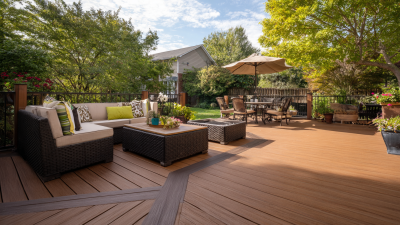
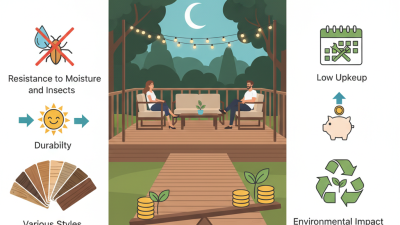
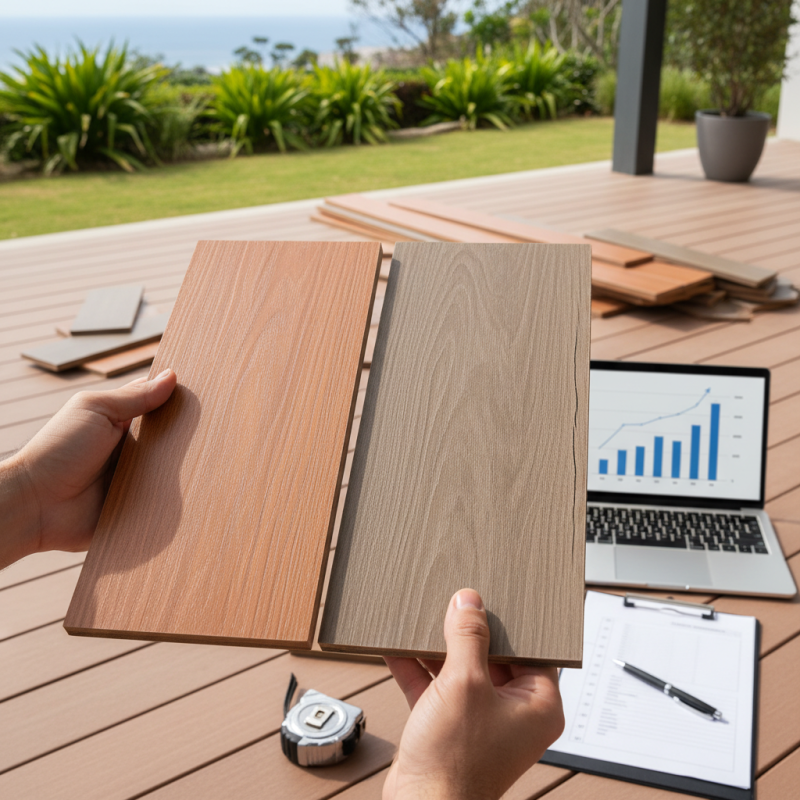
WPC deck boards are a popular choice for outdoor projects. Made from wood-plastic composites, they offer durability and aesthetic appeal. These boards consist of recycled wood fibers and plastic materials. This combination makes them resistant to moisture, rotting, and insect damage, ensuring a longer lifespan.
The benefits of using WPC deck boards extend to maintenance. Unlike traditional wood, these boards do not require regular staining or sealing. A simple wash with soap and water keeps them looking great. However, it's essential to assess your climate before selecting materials. In extreme heat, WPC can become softer and misshapen.
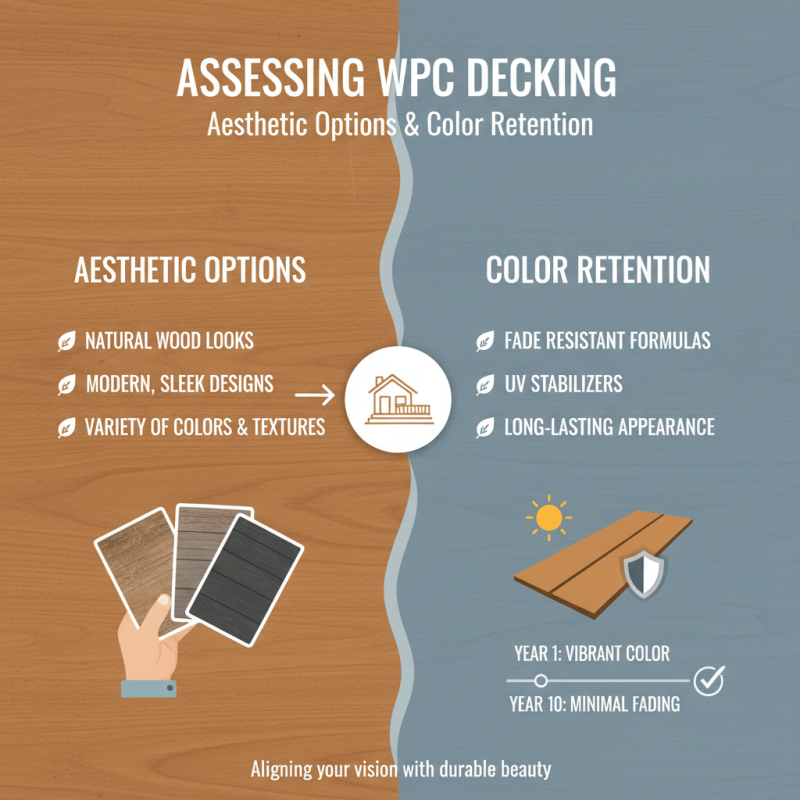
Color options are varied, but fading can occur under strong sunlight. While WPC boards are designed to be low-maintenance, they are not entirely care-free. Scratches and scuffs may appear over time, affecting aesthetics. Choosing the right WPC material requires research and consideration of local weather conditions. Balancing durability with location-specific challenges leads to better project outcomes.
Comparing Deck Board Thickness and Performance
Choosing the right WPC deck boards involves understanding the importance of thickness. Deck board thickness greatly influences performance and durability. Thicker boards generally offer more stability. They resist warping and bending over time, which is crucial in varying weather conditions. For outdoor projects, durability matters.
Not all projects require the thickest boards available. Consider the specific use and environment. A thinner board may suffice for a low-traffic area. However, for heavy foot traffic or deck furniture, opting for thicker boards is wise. They can better support weight and withstand wear. Some boards may look robust but lack the necessary thickness for long-lasting performance.
Reflect on your long-term goals for the deck. A thicker board might be an upfront investment. However, it can save money in the future by avoiding frequent replacements. Weigh the pros and cons of thickness versus cost. Ultimately, your choice should align with both the aesthetics and function of your outdoor space. Prioritizing performance ensures a satisfying project outcome.
How to Choose the Best WPC Deck Boards for Your Project? - Comparing Deck Board Thickness and Performance
| Deck Board Thickness (mm) |
Weight (kg/m2) |
Load Capacity (kg) |
Fade Resistance Rating |
Warranty (Years) |
| 20 |
10.5 |
400 |
High |
25 |
| 25 |
12.0 |
450 |
Very High |
30 |
| 30 |
14.5 |
500 |
Excellent |
35 |
| 22 |
11.2 |
420 |
High |
25 |
Identifying Cost-Effectiveness: Lifespan vs. Initial Investment
When planning your deck project, cost-effectiveness is crucial.
It's not just about the initial investment. Consider the long-term benefits of
WPC deck boards. These boards often last longer than traditional wood options, meaning fewer replacements and repairs over time.
Lifespan directly affects your overall costs. While WPC boards may have a higher upfront price, their durability can save you money. They resist mold, fading, and splintering, reducing maintenance needs. However, their initial cost can be a deterrent for some. Evaluating your budget requires careful thought.
Reflect on how long you intend to stay in your home. If you're looking long-term, investing in quality materials may yield significant savings. Short-term owners might prioritize immediate costs over longevity. This decision demands a careful balance between budget constraints and future value.