How to Choose the Best Laminate Wall for Your Home?
Choosing a laminate wall for your home can feel overwhelming. With so many options available, making the right decision requires careful thought. Laminate walls can completely change your space, offering style and function. They can mimic textures like wood or stone, providing an aesthetic appeal without the high cost.
Consider the purpose of the laminate wall. Is it for a bedroom, living room, or office? Your choice should reflect the room’s atmosphere. Pay attention to colors and patterns too. A bright color can energize a space, while neutral tones provide calm. It's also vital to think about maintenance. Some laminate materials are easier to clean than others.
However, there can be pitfalls in selection. Not every laminate wall is durable. You may find cheaper options that don't hold up well over time. Remember to check reviews and test samples beforehand. This process can be tedious, but your home's look is worth it. A well-chosen laminate wall can enhance your living environment significantly, making it a space you truly enjoy.
Factors to Consider When Selecting Laminate Wall Panels
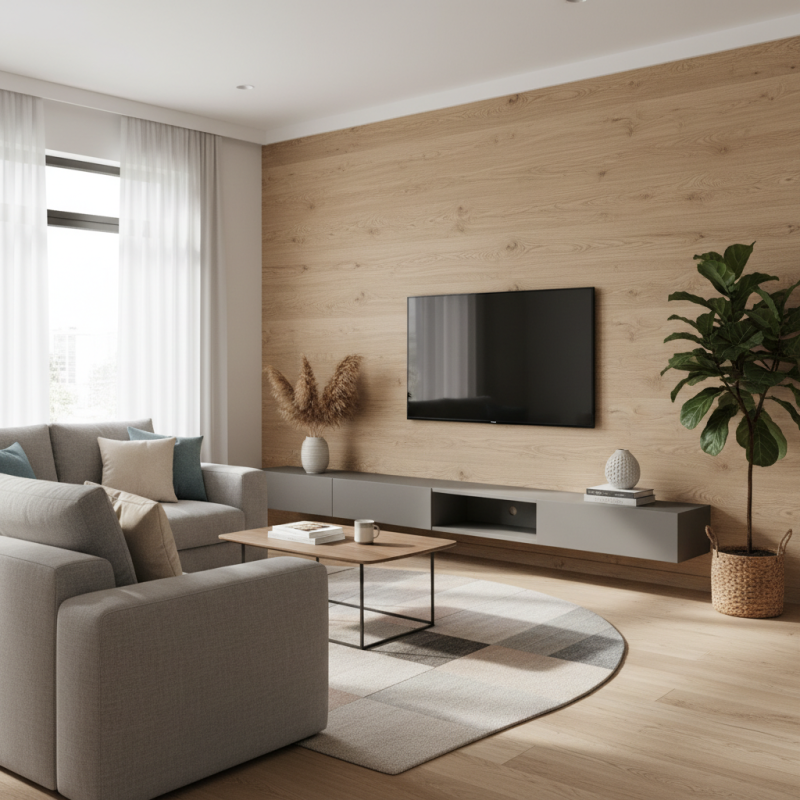
When choosing laminate wall panels, several factors come into play. First, consider durability. According to industry data, about 70% of homeowners prioritize durability when selecting wall materials. Laminate panels are often touted for their longevity, but not all are created equal. Check the thickness and wear layer. A thicker panel typically provides better durability against impacts and scratches.
Another important aspect is style. The design options in laminate walls are extensive. From wood textures to bold colors, a visual appeal can transform a space. However, be cautious with overly trendy designs. They may quickly look outdated. Research indicates that while 60% of buyers choose trendy styles, only 30% remain satisfied after five years.
Finally, think about maintenance. Many homeowners overlook this. Laminate walls can require specific cleaning routines. Regular cleaning is essential to maintain their appearance. That said, they can be less forgiving than painted walls in terms of stains. It’s crucial to weigh the aesthetic benefits against the practicality of upkeep. Choosing the right laminate wall panel involves thoughtful consideration of these elements.
Types of Laminate Wall Finishes and Their Applications
When selecting laminate wall finishes, it's essential to consider types and their applications. Textured finishes, like wood grain or stone, add depth to spaces. These textures create visual interest and enhance the tactile experience. According to a recent industry report, about 55% of homeowners prefer textured finishes for their warmth and authenticity.
Glossy finishes offer a modern look. They reflect light, making rooms appear larger. However, maintenance is key here. Dust and fingerprints are more visible on glossy surfaces. A survey indicated that 30% of homeowners regret not choosing matte finishes, which can hide imperfections better.
Moreover, color plays a crucial role. Neutral colors remain popular for versatility. Yet, bold hues can energize a room. Many people struggle with color choices, often resulting in mismatches with existing decor. It’s important to test samples in actual lighting conditions to avoid regrets later. Engaging a professional can help navigate these decisions. It’s a good investment, given that 40% of decorating mistakes stem from poor planning.
Measuring Your Space for the Perfect Laminate Fit
Measuring your space accurately is crucial when choosing laminate walls. Start by using a tape measure to determine the length and height of the area you want to cover. Take notes. This simple step prevents costly mistakes later on. Mark the dimensions on a piece of paper. Visual representation helps in planning effectively.
Tips: Consider doorways and windows. They can affect your final measurements. If your wall has irregular shapes, drawings might help. Always ask someone for a second opinion on the measurements. It's easy to misread numbers under pressure.
In addition, think about the installation technique. Will you need additional material for cutting? Sometimes a little extra can save you a lot of hassle. Miscalculating can lead to gaps that look unprofessional. Use your notes to decide how many panels you will need. Reassess your measurements for accuracy. Even small errors can lead to significant issues. Take your time.
How to Choose the Best Laminate Wall for Your Home?
Comparing Cost and Durability of Different Laminate Options
Choosing the right laminate wall can be tricky. Various options offer different costs and durability levels. Understanding these can help you make a better decision.
Vinyl laminate is popular for its water resistance. It tends to be less expensive but may wear out faster. Wood laminate offers a warm look but costs more. It can scratch and fade, which could be a long-term concern. Each type presents pros and cons that require careful thought.
Cost impacts choice heavily. While cheaper options like vinyl are tempting, think about longevity. A more durable choice could save money in the long run. Remember, aesthetics matter too. A stylish choice can elevate your space but might not last as long. Finding the balance is essential for your home.
Installation Tips for a Seamless Laminate Wall Experience
Installing a laminate wall can transform your home. However, achieving a flawless finish requires attention to detail. According to recent industry data, nearly 70% of homeowners report that improper installation leads to dissatisfaction with their laminate walls. This emphasizes the importance of correct techniques and preparation.
Start by selecting the right tools. A level and a measuring tape are crucial for precise measurements. Make sure your wall surface is clean and smooth. Dust or debris can affect adhesion. Industry experts suggest allowing laminate to acclimate to room temperature for at least 48 hours. This reduces the risk of expansion or contraction post-installation.
Don’t underestimate the importance of proper adhesive application. Uneven spreading can create bubbles or gaps. According to a report by the National Association of Home Builders, about 30% of homeowners faced issues due to improper adhesive use. Take your time during installation. Rushing can lead to mistakes that affect the overall appearance. Remember, even the slightest misalignment can be noticeable, so double-check your work continually.