How to Choose Laminate Wall Panels for Your Next Project?
When considering a renovation or new construction, choosing the right materials is crucial. Laminate Wall panels are a popular choice for their aesthetic appeal and durability. Expert designer, Sarah Matthews, emphasizes, "The right laminate wall can transform a space, leaving a lasting impression."
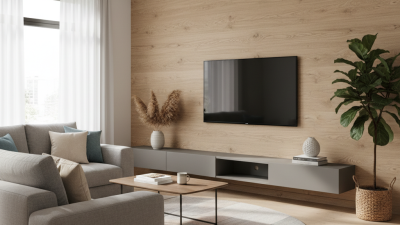
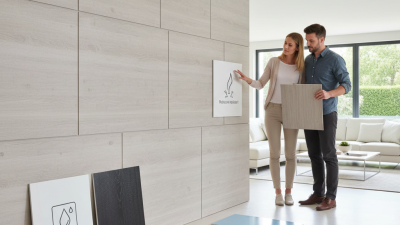
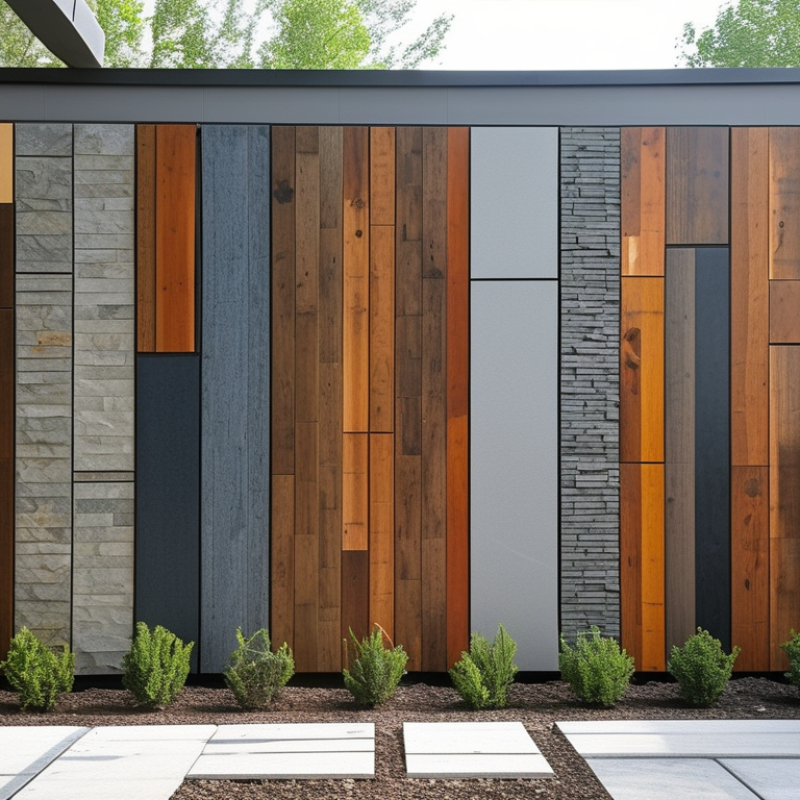
Laminate Wall panels come in various styles and finishes. They can mimic natural wood, stone, or even contemporary patterns. This versatility allows homeowners and designers to create unique environments. However, one must reflect on the specific needs of each project before making a decision. Are you prioritizing aesthetics or functionality?
While laminate materials are often reliable, not all products are equal. Choosing a high-quality laminate wall can mean the difference between a lasting investment or a quick fix. Consider the brand reputation and installation requirements. Striking a balance between looks and performance is essential for achieving your desired result.
Understanding the Basics of Laminate Wall Panels
Understanding laminate wall panels involves examining their composition and benefits. These panels are made from layers of materials, usually consisting of a core layer, a decorative layer, and a protective layer. The core provides strength, while the decorative layer offers various colors and patterns. The protective layer ensures durability, making laminate panels much easier to maintain.
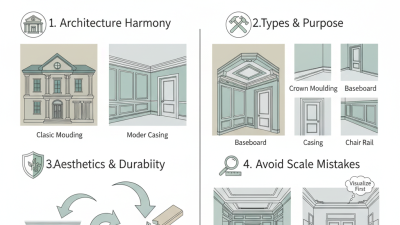
When selecting laminate wall panels, consider their intended use. For high-traffic areas, thicker panels with robust surfaces are ideal. In contrast, lighter panels may work well for accent walls. It's also essential to evaluate the texture and finish. Some installations benefit from a smooth surface, while others may require a textured finish for added depth.
It's vital to pay attention to environmental factors. Humidity and temperature can affect the performance of laminate. Knowing the specific conditions of your project site can help. Don't ignore the potential for peeling or fading over time. It's a reality that users often encounter, so examining warranty options may be wise. Understanding these details will lead to more informed choices.
Identifying the Right Style and Design for Your Space
When selecting laminate wall panels, style and design play a critical role. It's essential to ensure that the design enhances the overall aesthetic of your space. According to a recent industry report, over 70% of homeowners prioritize aesthetics when renovating. The right color and texture can transform a dull room into a vibrant area. Explore various patterns, from modern geometric to classic wood looks. Consider how these styles will interact with existing decor.
Choosing the appropriate finish is also vital. High-gloss finishes can make a small room feel larger, while matte textures can add warmth. The study indicates that 65% of buyers favor matte surfaces for a cozy ambiance. Don't overlook maintenance either. Some finishes may be less forgiving. Understand that while a striking design is appealing, practicality is equally important. Take time to weigh your options carefully.
Evaluating Material Quality and Durability
When choosing laminate wall panels, evaluating material quality and durability is crucial. High-quality laminate panels are made from dense fiberboard and feature a robust top layer. This top layer is vital for combating scratches, moisture, and fading. Recent industry reports indicate that laminate panels with a thickness of at least 8mm demonstrate improved durability. They resist impact better, offering longevity for various applications.
Durability testing reveals that some laminate panels can withstand over 300,000 cycles of abrasion. This makes them suitable for high-traffic areas. However, not all products meet this standard. Some cheaper options may lack the necessary resilience and may warp or fade after a few years. It's essential to look for panels with a reliable backing material. This helps ensure the panels maintain their shape and adhesion.
Furthermore, consider environmental conditions where the panels will be installed. Panels exposed to high humidity may require additional protective features. In some cases, consumers overlook the importance of warranties. A sound warranty often reflects the manufacturer’s confidence in their product’s durability. This trust can guide your decision-making, but it’s wise to research and compare specifications before finalizing your choice.
Considering Installation Methods and Requirements
When selecting laminate wall panels, installation methods and requirements play a crucial role. Begin by assessing your space. Different panels require varying fixing techniques. Consider whether you prefer adhesive, nails, or a floating system. Each method has its advantages and challenges. A floating installation can simplify adjustments, while glued options provide a strong, secure hold.
Tips: Measure your wall accurately. Miscalculations can lead to misalignment. Take time to plan your layout. A well-thought-out design will enhance the aesthetic appeal. Also, remember to account for any corners or obstacles. It’s easy to overlook these elements, but they can complicate installation.
Keep in mind that not every panel is suitable for every room. Moisture levels, especially in bathrooms and kitchens, affect durability. Some panels may warp or peel under humid conditions. Research your environmental factors before making a decision. It’s worth considering various materials that resist moisture better. An informed choice can prevent future headaches and additional costs.
Budgeting and Cost Factors in Laminate Wall Panels
When considering laminate wall panels, budgeting is crucial. The cost of these panels can vary widely, from $1.50 to $7.00 per square foot, depending on thickness and design. A report from *Construction Industry Insights* reveals that installation costs can add another $2.00 to $5.00 per square foot. This means, for a standard room of 200 square feet, total expenses might range between $700 to $1,800. Planning your budget effectively can help mitigate surprises.
Choosing laminate wall panels also involves hidden costs. For instance, improper preparations of the wall surfaces might lead to additional expenses. Research shows that about 20% of renovation projects exceed their initial budget due to unforeseen issues. It's essential to account for these potential pitfalls when creating a budget. Moreover, opting for thicker or textured panels could enhance durability but may inflate overall costs.
Investing in higher-quality materials generally pays off in the long run. A well-researched market analysis suggests that premium panels last longer and require less maintenance. This is a critical consideration for both residential and commercial projects. Balancing upfront costs with long-term value is necessary for making the right purchasing decision.
How to Choose Laminate Wall Panels for Your Next Project? - Budgeting and Cost Factors in Laminate Wall Panels
| Feature |
Description |
Cost Range (per sq. ft.) |
Durability Rating |
| Thickness |
Common options include 1/8", 1/4" and 1/2" thick panels. |
$1.50 - $5.00 |
Medium |
| Texture |
Available in smooth, textured, and patterned finishes. |
$2.00 - $6.00 |
High |
| Water Resistance |
Some panels are treated for moisture protection. |
$3.00 - $7.00 |
High |
| Color Options |
A wide range of colors, including custom options. |
$2.50 - $6.50 |
Medium |
| Installation Method |
Some panels are designed for easy DIY installation. |
$1.00 - $4.00 |
Variable |