How to Choose Acoustic Panels for Walls to Improve Sound Quality
Choosing the right acoustic panels for walls can dramatically enhance sound quality in any space. Expert Sarah Johnson, a renowned acoustic designer, states, "Acoustic panels are essential. They can transform the auditory experience of a room." Understanding the importance of these panels is crucial for both residential and commercial settings.
When selecting acoustic panels, consider the material and thickness. These factors significantly impact sound absorption. Look for panels made from high-density foam or fabric-wrapped fiberglass. Measurements matter too; ensure proper coverage for effective results. Visual appeal also plays a role. Panels should blend with your interior design while serving their purpose.
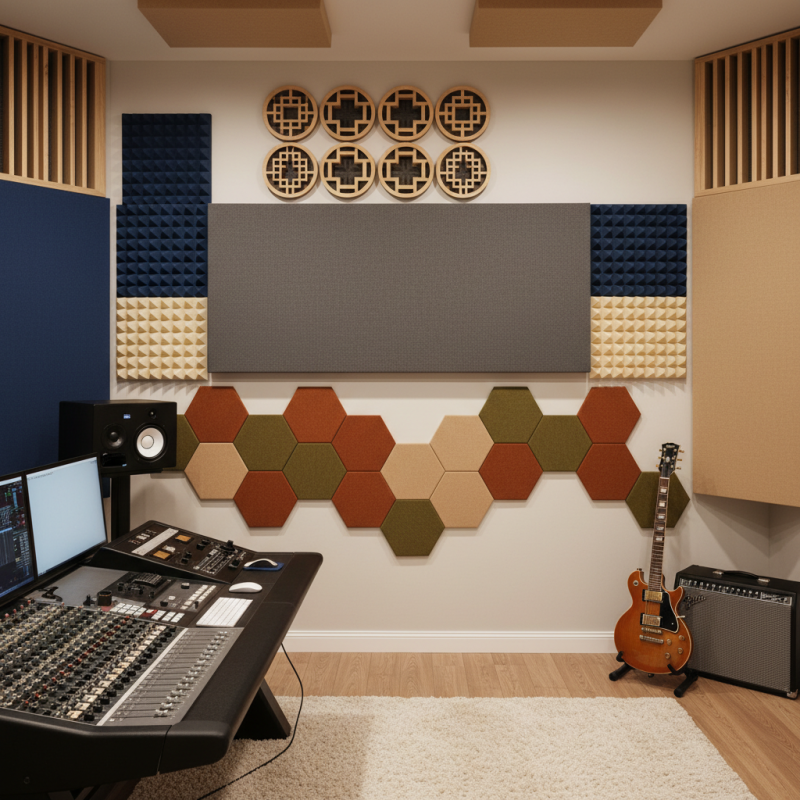
Reflect on the space's purpose. A music studio will require different paneling than a home theater. It's important to assess needs thoroughly before making a choice. Sometimes, the wrong panel can lead to over-dampening or poor aesthetics. Listening to your environment can guide you to make better decisions. Let's explore how to choose the best acoustic panels for your walls.
Understanding the Importance of Acoustic Panels for Sound Quality
Acoustic panels play a crucial role in enhancing sound quality. They absorb sound waves, reducing echoes and improving clarity. Research indicates that acoustic treatments can cut down noise levels by 30% in enclosed spaces. This level of control is vital for recording studios, home theaters, and even offices.
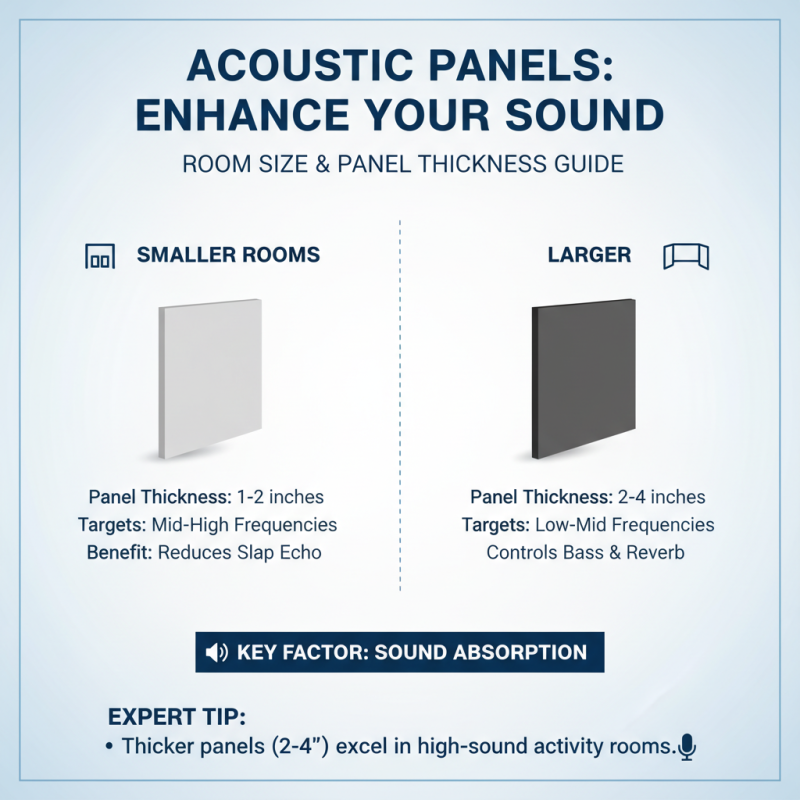
Choosing the right type of acoustic panels matters. Thick panels tend to absorb lower frequencies better. Experts recommend at least 2 inches of thickness for effective bass absorption. Colors and textures also influence aesthetic appeal. A bland room can distract and detract from focus.
However, people often overlook placement. Randomly placing panels won’t yield optimal results. Panels should target reflective surfaces, like walls facing each other. Misjudgments in layout can lead to uneven sound quality. Regular assessments are essential as the acoustic environment changes over time.
Types of Acoustic Panels and Their Applications in Different Spaces
When it comes to choosing acoustic panels, understanding the types and their applications is essential. Absorption panels are generally used in offices and recording studios. These panels can effectively reduce echo and reverberation, improving sound quality. According to a report by the Acoustical Society of America, effective sound absorption can reduce noise levels by up to 30%. This makes a substantial difference in spaces where clear communication is vital.
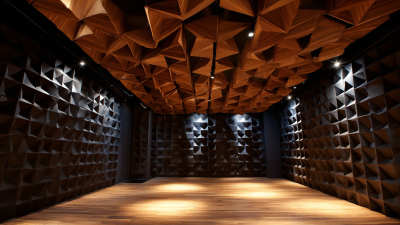
Another type is diffusion panels, which are excellent for concert halls and theaters. They scatter sound waves throughout the space. This helps create a more balanced sound environment. Research has shown that diffusion panels can enhance sound clarity by up to 25% in larger venues. However, they might not be suitable for smaller rooms due to potential sound distortion.
Tip: Consider the size and purpose of your space before selecting panels. Some rooms may require a mix of absorption and diffusion for optimal sound quality.
Tip: Don’t overlook aesthetics. Choose designs that blend well with your decor. Also, be open to experimenting with different panel placements. This can yield unexpected improvements in sound.
Factors to Consider When Choosing Acoustic Panels for Your Walls
Choosing acoustic panels for your walls is crucial for enhancing sound quality. Understanding key factors will help you make an informed decision. The size of your room significantly impacts sound absorption. Smaller rooms often require different panel thicknesses compared to larger spaces. Research indicates that thicker panels (around 2 to 4 inches) can reduce echoes effectively, especially in rooms with high sound activity.
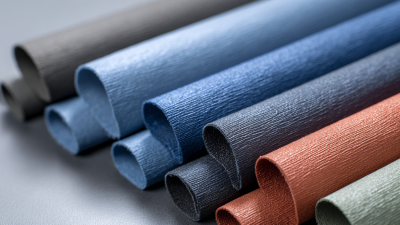
Material type is another essential consideration. Common materials include fiberglass and foam, each with distinct acoustic properties. Fiberglass panels tend to absorb sound over a broader frequency range. This can lead to a more balanced sound profile in your space. On the other hand, foam panels generally excel at managing mid to high frequencies. Both options have their pros and cons, and the best choice often depends on your specific needs.
Tips: When selecting panels, consider their placement. Wall panels should ideally cover first reflection points. This helps in managing noise levels efficiently. Don’t overlook color and design. Panels can blend seamlessly into your decor while serving their purpose. Finally, consider the quantity. Sometimes, less is more. Too many panels can lead to a sound-dampening effect that feels unnatural.
Installation Techniques for Effective Sound Absorption
Installing acoustic panels can be a game changer for sound quality. Begin by assessing your space. Identify areas where sound waves bounce. Think about your room's layout. Focus on hard surfaces like walls, floors, and ceilings. These areas often need the most attention.
When installing, consider placement. Panels work best at first reflection points. Mark these spots before you mount anything. Ensure you have proper adhesives or mounting hardware. Gaps or uneven surfaces can reduce effectiveness. Measure twice, stick once. Take your time to avoid mistakes.
Assess your panels. Are they correctly positioned? Is the space benefiting from the sound absorption? Reflect on the overall impact. If the sound quality is still lacking, consider adjustments. Move a few panels around. Sometimes, minor tweaks create significant changes. Remember, this is an ongoing process of improvement.
How to Choose Acoustic Panels for Walls to Improve Sound Quality - Installation Techniques for Effective Sound Absorption
| Panel Type |
Material |
Thickness |
Sound Absorption Coefficient |
Installation Method |
| Foam Panels |
Polyurethane Foam |
1 inch |
0.75 |
Glue or Adhesive |
| Fabric-Wrapped Panels |
Mineral Fiber |
2 inches |
0.90 |
Wall Mounting Brackets |
| Wood Panels |
Plywood |
1.5 inches |
0.85 |
Hanging or Directly Attached |
| Green Acoustic Panels |
Recycled Materials |
2 inches |
0.95 |
Adhesive Mounting |
Maintenance and Care Tips for Longevity of Acoustic Panels
Acoustic panels are effective for sound quality, but they need proper care. Maintaining these panels ensures they last longer and function well. Regular maintenance is essential.
To clean acoustic panels, use a soft brush or a vacuum with a brush attachment. This helps remove dust without damaging the fabric. Avoid water or harsh chemicals. They can stain or degrade the material. If there are stains, a damp cloth may work, but test it first in an inconspicuous area.
Another tip is to keep panels away from direct sunlight. Sunlight can fade colors and weaken materials over time. Similarly, avoid placing panels in damp rooms. Moisture can lead to mold, harming both the panels and air quality. Reflection on these practices can help identify any maintenance gaps.