How to Choose Acoustic Panels for Your Walls?
Choosing the right acoustic panels for your walls can make a significant difference in sound quality. Effective acoustic treatment enhances both residential and commercial spaces. Acoustic panels walls can absorb sound, reduce echoes, and improve clarity.
When selecting panels, consider size and design. These factors greatly impact functionality and aesthetics. Think about the type of noise in your environment. Different materials perform better in various settings. You might wonder if all panels are equally effective. In reality, they are not. Each brand and material offers unique benefits.
A common mistake is overlooking installation methods. Proper placement is crucial for maximum effectiveness. Some may find the process complicated. Reflect on your space and the sound issues you experience. The right choice can transform your environment.
Understanding Acoustic Panels: Types and Their Applications
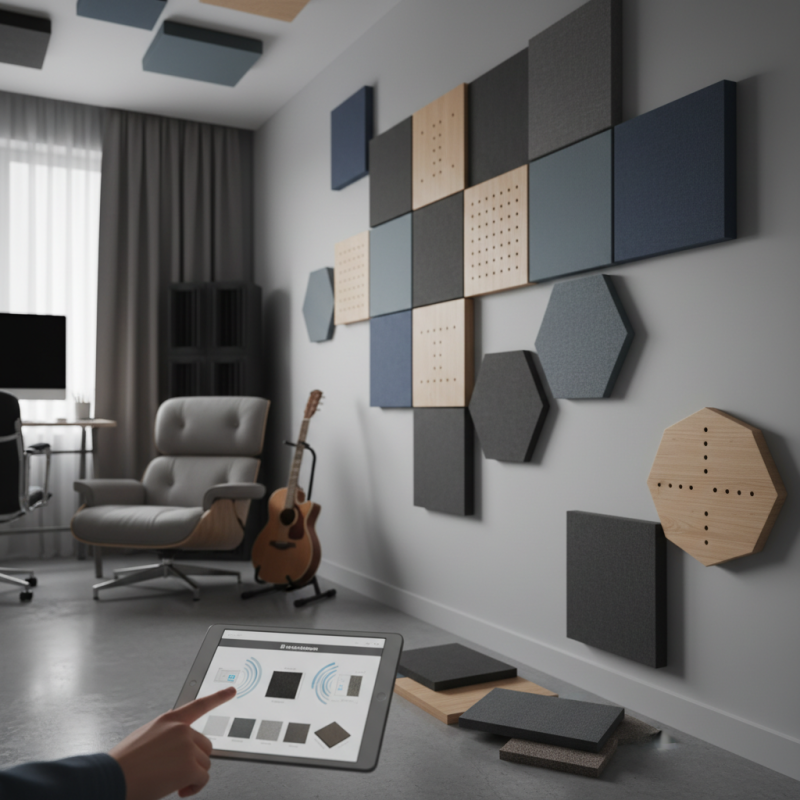
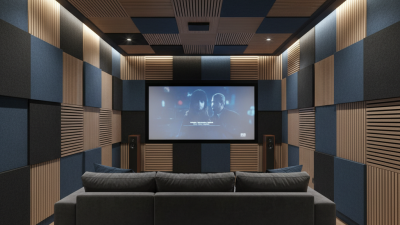
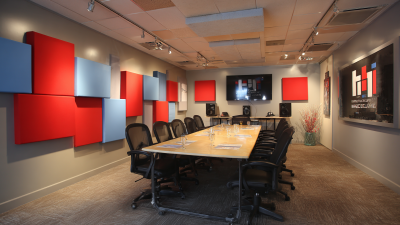
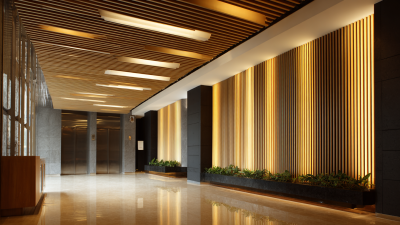
When choosing acoustic panels, understanding the types and their applications is crucial. There are several types available, including foam, fabric-wrapped, and wooden panels. Foam panels are lightweight and easy to install. They absorb sound waves effectively, making them great for home studios. However, they may not be aesthetically pleasing. Fabric-wrapped panels offer a balance between appearance and functionality. They come in various colors and textures, enhancing room decor while controlling sound. Wooden panels have a unique charm, adding warmth to spaces. However, they might be more expensive.
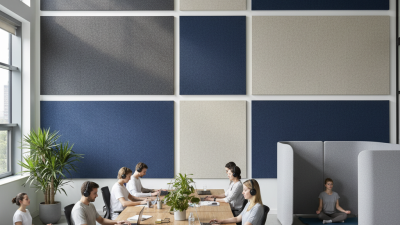
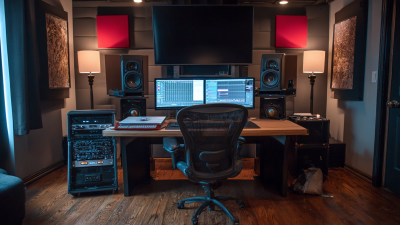
Applications of these panels vary by environment. In recording studios, foam panels help reduce echo. In a busy office, fabric-wrapped panels create a more focused atmosphere. Wooden panels can be used in living rooms for style and sound absorption. The choice depends on the space's needs and aesthetic goals. It's easy to overlook the importance of sound quality when designing a space. Some people may prioritize looks over function. That can lead to a less effective acoustic environment. It's wise to reflect on your specific needs before making a selection. Ultimately, the right acoustic panel can transform a room's sound. Balancing form and function is key.
How to Choose Acoustic Panels for Your Walls?
| Panel Type |
Material |
Sound Absorption Coefficient |
Applications |
Thickness |
| Foam Panels |
Acoustic Foam |
0.80 - 1.10 |
Home Studios, Recording Rooms |
1 - 4 inches |
| Fabric-Wrapped Panels |
Mineral Fiber |
0.60 - 0.95 |
Offices, Theaters |
1 - 2 inches |
| Wood Panels |
Wood Fiber |
0.50 - 0.70 |
Music Venues, Restaurants |
0.75 - 1 inch |
| Hanging Baffles |
Fiberglass |
0.95 - 1.40 |
Gymnasiums, Auditoriums |
2 - 6 inches |
Evaluating the Sound Absorption Properties of Acoustic Panels
When selecting acoustic panels, understanding sound absorption properties is essential. Acoustic panels can vary widely in their effectiveness. Some materials absorb sound better than others. Look for panels made of dense materials, like fiberglass or mineral wool. These tend to offer superior sound damping.
Consider the thickness of the panels. Thicker options usually provide better absorption at lower frequencies. You might find it surprising how much difference this can make. For example, a 2-inch thick panel typically outperforms a 1-inch model. Verify the Noise Reduction Coefficient (NRC) rating before making a choice. A rating closer to 1 indicates greater sound absorption.
Installation matters too. Improperly placed panels can lead to uneven sound distribution. This could result in spots that resonate more than others. Do not hesitate to experiment with different placements. Take note of the changes in sound quality. Adjusting the setup can yield unexpected improvements. Remember, the goal is to create a balanced sound environment that suits your needs.
Determining the Right Size and Thickness for Your Space
When choosing acoustic panels,
size and thickness are essential factors.
Research shows that the dimensions of panels directly affect sound absorption.
For smaller rooms, panels of 24x48 inches often suffice.
They can fit seamlessly into most wall spaces, helping to control echo and reduce noise.
In larger areas, consider panels of 48x96 inches.
They cover more surface area and significantly improve sound quality.
Thickness also plays a crucial role.
Standard panels are typically 1 to 2 inches thick.
A 2-inch panel can absorb lower frequencies better than a 1-inch panel.
However, if you aim for a simple aesthetic, you might opt for thinner options.
This choice can lead to less sound absorption, which might not be ideal.
Not all spaces benefit from the same panel characteristics.
Conducting a sound test can help identify problem areas in your room.
Up to 30% of sound reflects off walls instead of being absorbed.
Striking a balance between appearance and effectiveness requires careful thought.
Building owners sometimes overlook panel placement,
leading to suboptimal performance.
Choosing Aesthetic Options: Colors and Textures of Acoustic Panels
When selecting acoustic panels, color and texture are crucial. They affect not only sound absorption but also the overall aesthetics of a space. A National Institute of Standards and Technology report highlights that the right color scheme can enhance creativity and productivity in work environments. For example, warm colors like reds and oranges may stimulate energy, while cooler tones can promote calm.
Textures play an equally significant role. Soft, fabric-like surfaces can absorb sound better than hard finishes. In larger spaces, a mix of textures can reduce echoes effectively. A survey by the Acoustical Society found that more textured panels led to a 30% increase in user satisfaction in acoustic performance. However, finding the right balance is essential; too many competing textures can confuse a visual narrative.
Reflecting on personal spaces can help identify what truly fits your style. Many individuals end up regretting choices made under pressure. The latest trend reflects using acoustic panels as art pieces instead of just functional items. This approach requires thoughtfulness, ensuring they blend seamlessly into your decor while providing necessary sound control. The challenge lies in being flexible and open to modification as personal tastes may evolve over time.
Assessing Installation Methods for Acoustic Panels on Walls
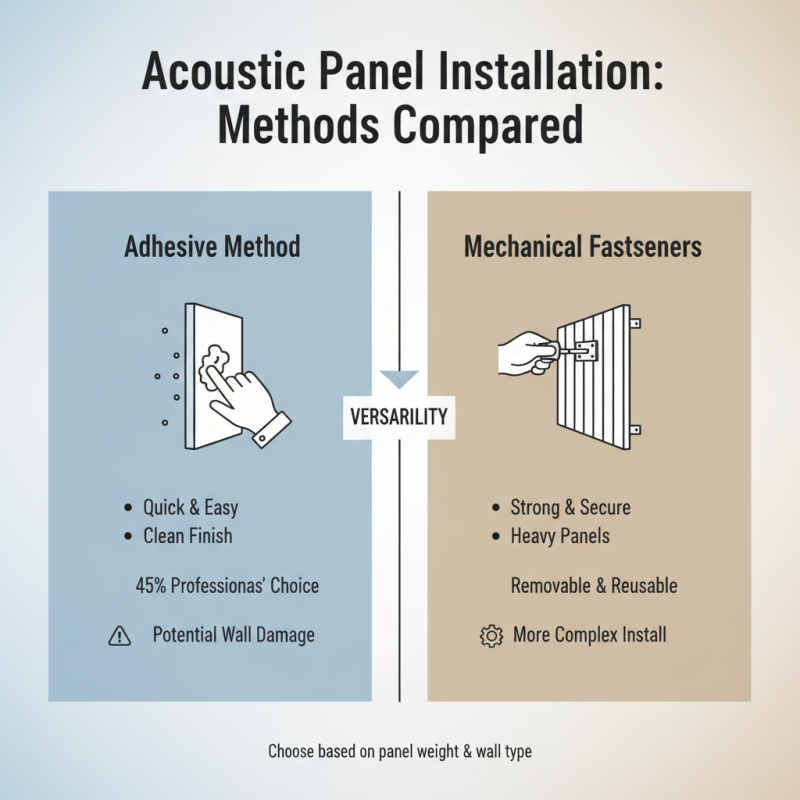
When considering acoustic panels for walls, how you install them matters greatly. Different methods exist, each with unique benefits and drawbacks. Adhesive options allow for quick application, while mechanical fasteners offer the sturdiness needed for heavy panels. According to a recent industry report, about 45% of acoustic professionals prefer adhesive methods due to their simplicity and clean finish. However, this could lead to damage if removal becomes necessary.
Adhesive panels can provide instant gratification but may not be as effective in high-traffic areas. Falling panels pose a safety risk. Meanwhile, the use of screws or anchors, while more labor-intensive, ensures a secure placement. Studies show that panels installed with mechanical methods tend to last longer. About 30% of acoustic panels exhibit significant performance loss when improperly secured.
Some might overlook the importance of installation technique when selecting panels. An inadequate method could compromise sound absorption efficiency. Acoustic treatment should not just be about aesthetics but also effectiveness. Ensure you assess your environment before deciding. Consider the wall’s surface, the panel’s size, and weight. Each factor can significantly impact your final result. Careful planning and consideration will yield the best acoustic results for your space.