Top Exterior Wood Types for Your Home Design Needs?
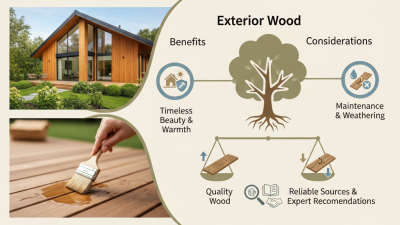
When considering your home design, the choice of exterior wood plays a crucial role. The right type can enhance aesthetics and functionality. Various wood types offer unique characteristics, making it important to choose wisely. Each exterior wood option has its own strengths and weaknesses.
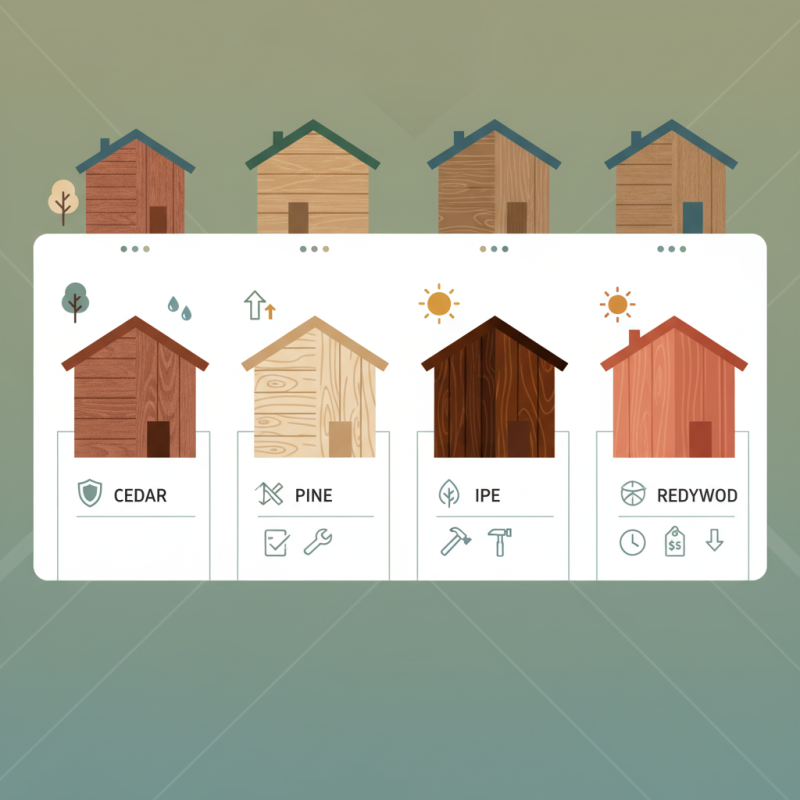
Some woods are naturally resistant to weather. Others may require regular maintenance. For instance, cedar is known for its durability and resistance to decay. However, it can be more expensive than alternatives. Pine, while cost-effective, may not stand the test of time without proper care.
Selecting the best exterior wood involves balancing cost, appearance, and longevity. It's an opportunity to reflect on your style and needs. Keep your goals in mind. Understanding these factors will help you make an informed decision for your home’s exterior design.
Choosing the Right Exterior Wood for Your Home Design
Choosing the right exterior wood for your home design is crucial. Each type of wood offers various benefits, appearances, and performance features. Consider factors like climate, maintenance requirements, and budget. Cedar is popular for its natural resistance to decay. It has a warm hue and lovely grain patterns, making it visually appealing. However, it may require regular staining to maintain its beauty.
Redwood is another excellent option. Known for its durability, it withstands the elements well. It boasts rich colors and can add sophistication to your design. On the downside, redwood can be more expensive. It's essential to weigh your options before deciding.
**Tips:** Always check for local suppliers. They can provide valuable advice and materials suited to your region. Regular maintenance can prolong the life of your wood. Make a schedule to inspect and treat your wood as needed. Consider the ecological impact of your choice. Choosing responsibly sourced wood can reflect your values and commitment to sustainability.
The Top Characteristics of Durable Exterior Woods
When choosing exterior woods, durability is key. Durable woods resist weather, pests, and decay. According to data from the Forest Products Laboratory, certain woods outperform others in these areas. For example, cedar and redwood naturally resist rot, making them ideal for outdoor projects. They have a lifespan of 20-30 years with proper maintenance, which is impressive compared to other options.
Tip: Always consider the local climate. For example, pressure-treated pine is budget-friendly and effective in humid areas, but may not hold up as well in dry climates. Moisture can cause warping in woods with high water content.
Another characteristic of durable exterior woods is their grain and density. Hardwoods like oak have a compact grain that enhances strength and longevity. They might require more care upfront, but their durability is unmatched. Industry reports indicate that high-density woods can last over 50 years in the right conditions.
Tip: Regular maintenance is essential for exterior woods. Periodic sealing and staining can significantly extend their lifespan. Embrace the imperfections in natural wood, as they add character, but remain vigilant about wear and tear.
Popular Types of Wood for Outdoor Applications
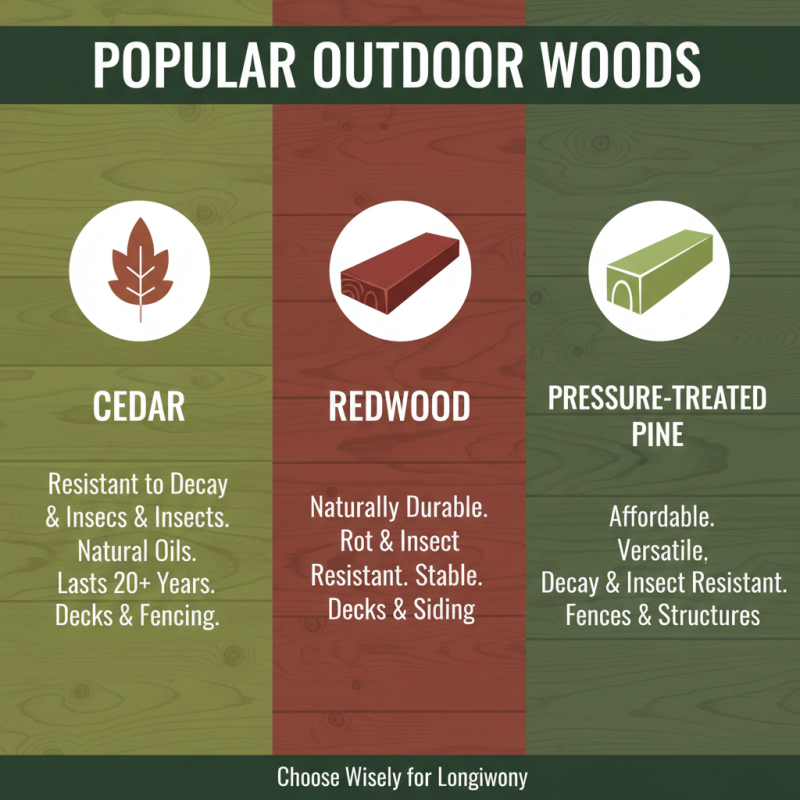
When choosing the right wood for outdoor applications, several factors must be considered. Popular options include cedar, redwood, and pressure-treated pine. Cedar is well-known for its resistance to decay and insects. It can last for more than 20 years in most environments. Additionally, its natural oils help repel insects, making it a practical choice for decks and fencing.
Redwood is another favorite. It offers a stunning appearance with rich color variations. Redwood naturally resists warping and splitting. Reports indicate that properly maintained redwood can also last around 30 years. However, it can be more expensive than other options. The beautiful, warm tones often justify the higher price for homeowners who prioritize aesthetics.
Pressure-treated pine, while less durable than cedar or redwood, is widely used for budget-conscious projects. This wood is chemically treated to resist rot and insects. While it may last 5 to 15 years, its lifespan heavily depends on maintenance. Many homeowners overlook the importance of regular sealing. Neglecting it can lead to rapid deterioration. In conclusion, while many wood types suit outdoor needs, careful consideration of costs and longevity is essential.
Comparative Analysis of Softwoods vs. Hardwoods
When choosing wood for exterior home design, the decision often boils down to softwoods and hardwoods. Each type has distinct characteristics and benefits. Softwoods, such as pine and cedar, are generally more affordable and easier to work with. They are lightweight, making them ideal for projects like decking and fencing. Their natural resistance to decay, particularly in the case of cedar, adds to their appeal for outdoor use. However, softwoods can be more susceptible to dents and scratches.
Hardwoods, including oak and teak, are denser and more durable than their softwood counterparts. They are less prone to warping and can endure harsher weather conditions. Their rich grain patterns and deep hues often provide a luxurious look. But the trade-off is cost; hardwoods are typically more expensive and harder to source. Their weight can also make installation more challenging.
It’s essential to reflect on your specific needs. Consider the climate and maintenance levels you are willing to commit to. Choosing wood should enhance not only your home’s aesthetic but also its longevity. This decision could influence the overall functionality and style of your outdoor space. Balancing affordability with durability requires careful thought.
Top Exterior Wood Types for Your Home Design Needs
Maintenance Tips for Exterior Wood to Extend Lifespan
When selecting exterior wood for your home, maintenance is key to longevity. Cleaning the wood regularly can prevent dirt buildup. Use a gentle soap and water mixture to wash the surface. A soft bristle brush works well for tougher spots. Make sure to rinse thoroughly afterward. Moisture can be a significant enemy of wood, leading to rot and decay over time.
Applying the right protective finish is crucial. A quality sealant can help resist moisture and UV damage. Reapply this sealant every few years to maintain protection. Pay attention to areas that are more exposed to weather. They may need more frequent treatment. Inspect your wood structures regularly, looking for signs of wear or damage, such as cracks or peeling.
Taking care of your exterior wood isn’t always straightforward. It requires consistent effort. Some homeowners find it overwhelming. Consider creating a maintenance schedule to make it easier. Tracking when to clean or seal can keep wood looking fresh. Reflect on your habits and adjust if needed. Every little step counts towards extending the lifespan of your home’s exterior wood.
Top Exterior Wood Types for Your Home Design Needs
| Wood Type |
Durability |
Maintenance Level |
Typical Uses |
| Cedar |
Moderate |
Low |
Decking, Siding |
| Redwood |
High |
Moderate |
Fences, Outdoor Furniture |
| Teak |
Very High |
Low |
Patios, Boat Decks |
| Pressure-Treated Pine |
Moderate |
High |
Decking, Fences |
| Mahogany |
Very High |
Low |
Siding, Accents |